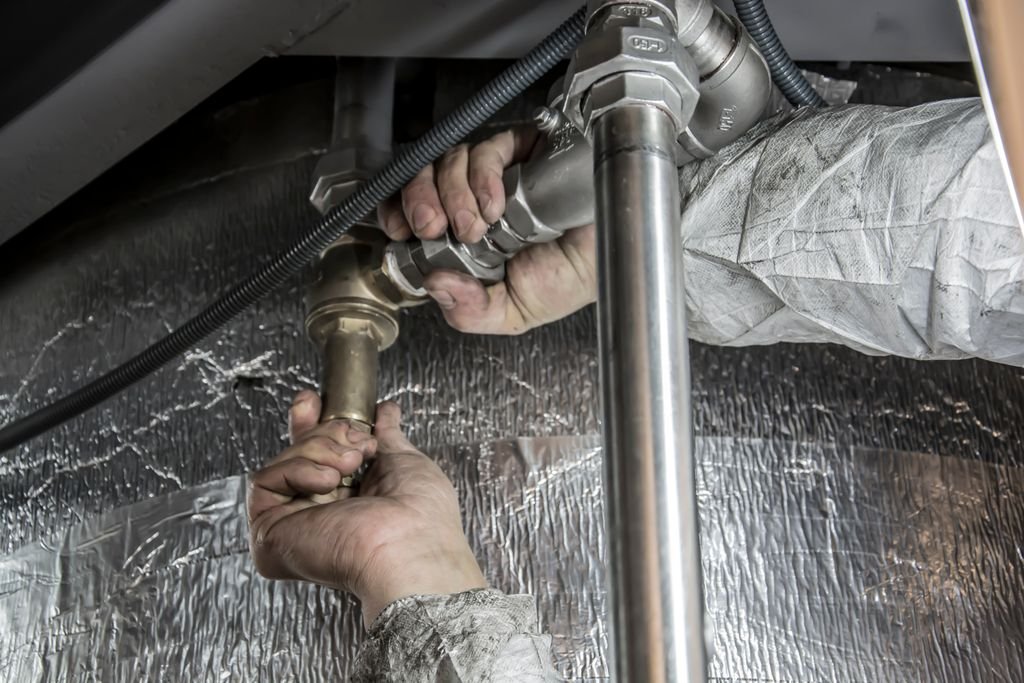
Homeowners insurance may cover sudden and accidental water damage caused by plumbing, but it does not function as a plumbing maintenance plan. If a pipe unexpectedly bursts and damages drywall, flooring, cabinets or furniture, the resulting damage may qualify for coverage. The policy often will not pay to replace the old, corroded or worn pipe that caused the loss.
That distinction is important because one plumbing event can produce several separate expenses. A homeowner may need to pay a plumber to stop the leak, open a wall to reach the pipe, replace the failed section, dry the building and repair damaged finishes. An insurer may cover some of those costs, exclude others and subtract the policy deductible from the approved amount.
Coverage also depends on the cause and timing of the damage. A sudden pipe break is treated differently from a slow leak that continued for months. Water from an appliance supply line is different from sewage backing up through a drain, and both are different from floodwater entering from outside the home.
This guide explains where homeowners insurance may help, which plumbing losses are commonly excluded, how different policy coverages respond and what to document before filing a claim.
Quick answer: Homeowners insurance may cover sudden and accidental water damage caused by plumbing—such as damage from a burst pipe—but it often does not pay to replace the worn, corroded or poorly maintained plumbing component that caused the loss. Slow leaks, preventable freezing, sewer backup and outside flooding may also be excluded unless the policy or an endorsement specifically covers them.
The deciding factor is usually not simply that water came from a pipe. Insurers look at why the damage happened, whether it was sudden, what property was damaged, how promptly the homeowner acted and what the policy says. Coverage, limits and deductibles vary, so the declarations page, exclusions and endorsements matter more than a general rule.
What Homeowners Insurance Plumbing Coverage Generally Means
A standard homeowners policy divides protection into separate coverage sections. If a covered plumbing event damages the building, dwelling coverage may help repair walls, floors, ceilings or built-in cabinets. Personal property coverage may apply to damaged furniture and belongings. Loss-of-use coverage may help with eligible additional living expenses if the home is temporarily uninhabitable after a covered claim.
These protections are different from the insurance value assigned to damaged property. Our explanation of replacement value and actual cash value shows why depreciation and the policy’s settlement method can affect the amount paid for belongings or building components.
When Plumbing Damage May Be Covered
A Sudden Burst Pipe
A pipe that unexpectedly bursts inside the home is the classic example of a potentially covered plumbing loss. The policy may pay for resulting damage—such as wet drywall, ruined flooring and damaged furniture—subject to the deductible, limits and exclusions. Access costs, including opening a wall to reach the pipe, can be treated differently among policies and claims.
Frozen Pipes When Reasonable Care Was Taken
A frozen pipe may be covered when the homeowner used reasonable care to maintain heat or properly shut off and drained the water system. Coverage can be denied when freezing was foreseeable and reasonable precautions were not taken, especially in a vacant or unoccupied home. Exact wording matters.
Accidental Overflow or Supply-Line Failure
A sudden failure of a washing-machine hose, dishwasher line, water-heater connection or toilet supply line may cause covered water damage. The damaged appliance or failed line itself may not be covered if age, wear or maintenance caused the failure, even when the surrounding damage qualifies.
Hidden Damage Discovered Promptly
Some policies may cover resulting damage from a hidden leak if the loss falls within covered-peril language and the homeowner could not reasonably have known about it. Other policies impose limits or exclusions for water that leaks over weeks or months. A plumber’s report describing the source, age and apparent duration of the leak can be important evidence.
Water Released From a Plumbing Appliance
Homeowners policies commonly describe accidental discharge or overflow from plumbing, heating, air-conditioning or household appliances as a covered cause of loss, subject to the individual policy. This can include water released when a dishwasher connection suddenly separates, a washing-machine hose ruptures or a water heater unexpectedly fails.
The appliance is not necessarily covered merely because the surrounding damage is. If an old water heater tank rusts through, for example, the insurer may consider damage to the floor and nearby wall while excluding the deteriorated tank. A manufacturer warranty, home warranty or equipment-breakdown endorsement may address a different part of the loss.
Damage Caused While Accessing a Covered Leak
A hidden pipe can require a plumber to cut through drywall, tile, a ceiling or part of a floor. Some policies cover reasonable tear-out and access costs when they are necessary to repair the system from which covered water escaped. The policy may still exclude the pipe replacement itself.
Access coverage is highly policy-specific. It may depend on whether the water damage is covered, where the pipe is located and whether the repair is to the building or the plumbing system. Ask the adjuster to explain in writing how the policy treats opening and restoring walls, floors or slabs.
The Cause-and-Resulting-Damage Rule
The most useful way to understand a plumbing claim is to separate the cause of the loss from the resulting property damage.
Suppose a 25-year-old pipe corrodes and suddenly opens inside a wall. The corroded pipe is a maintenance-related component and may not be covered. However, water released from it may suddenly damage drywall, insulation, flooring and furniture. Depending on the policy, those resulting losses may be covered even though the pipe is not.
The same analysis can apply to a failed appliance hose, worn toilet seal or deteriorated water heater. Insurers may ask:
- What component failed?
- Why did it fail?
- Was the release sudden or gradual?
- What property was damaged after the failure?
- Did the homeowner take reasonable steps to prevent additional damage?
- Does an exclusion, endorsement, sublimit or special deductible apply?
Do not assume that approval of the water-damage portion means every plumbing invoice will be reimbursed. Ask for an itemized coverage explanation showing which costs are accepted, excluded or still under review.
What Is Usually Not Covered
Gradual Leaks, Corrosion and Wear
Homeowners insurance is designed primarily for fortuitous losses, not routine upkeep. Damage linked to long-term seepage, rust, corrosion, deteriorated seals or repeated leakage is commonly excluded. Staining, soft flooring, recurring odors or unusually high water bills can indicate a condition that should be investigated before it becomes extensive.
The Failed Pipe or Plumbing Fixture
Even when resulting water damage is covered, the cost to repair the old pipe, worn valve, failed seal or broken appliance may remain the homeowner’s responsibility. Think of the cause and the consequence as two separate questions: the policy might cover damaged drywall while excluding replacement of the deteriorated pipe.
Sewer or Drain Backup
Water or sewage backing up through a drain, sump or sewer line is frequently excluded from standard coverage. Many insurers sell a water-backup endorsement with its own limit and deductible. This is different from a pipe bursting inside the home, so the loss description must identify the actual source.
Floodwater and Groundwater
Standard homeowners insurance generally does not cover flooding from rising surface water, storm surge or water entering from outside at ground level. FEMA’s flood-insurance guidance states that most homeowners insurance does not cover flood damage, while the federal National Flood Insurance Program explains flood risk and separate flood-insurance options. A plumbing leak inside the house and an external flood can create similar damage but are insured differently.
Neglect, Preventable Freezing and Improper Work
A claim may face problems when a known leak was ignored, heat was not maintained, or unlicensed or defective work contributed to the loss. A contractor’s liability policy or warranty may be relevant when faulty installation caused the damage, but that depends on the facts and contracts involved.
Mold From Long-Term Moisture
Mold coverage is often limited and closely tied to the cause of the moisture. Mold that develops after a covered sudden water loss may receive limited treatment under some policies, while mold caused by repeated seepage, high humidity or neglected maintenance may be excluded. Policies can also impose a separate mold sublimit.
Prompt drying matters. The Washington State Office of the Insurance Commissioner explains that coverage for leaks, water intrusion and mold depends on the policy and the source of the damage. Homeowners should report a potentially covered loss promptly and take reasonable steps to prevent further damage.
The Underground Service Line
The pipe carrying water from the public connection to the home may be the homeowner’s responsibility, but a standard policy may not cover failure caused by age, roots, corrosion or ground movement. Some insurers offer service-line coverage as an endorsement for underground water, sewer, electrical or communication lines.
Service-line endorsements vary in covered causes, limits, deductibles and restoration benefits. Before purchasing one, check whether it covers excavation, damaged outdoor property, loss of use and the actual replacement of the line.
Plumbing Upgrades Required by Current Codes
A covered claim may pay to restore damaged property with materials of like kind and quality, but rebuilding can trigger newer building-code requirements. Ordinance or law coverage may help with certain added costs required by current codes. Without enough coverage, the homeowner may have to pay for upgrades that go beyond repairing the direct physical damage.
Does Insurance Pay for the Pipe or the Water Damage?
The table below separates common scenarios from the likely coverage question. It is a general guide, not a guarantee of a claim decision.
| Scenario | Likely Treatment | Key Point |
|---|---|---|
| Sudden interior pipe burst | Often potentially covered | Resulting building and contents damage may qualify; the failed pipe may not. |
| Old corroded pipe finally fails | Mixed | Resulting damage may be considered, while deterioration and pipe replacement are often excluded. |
| Slow leak over months | Often excluded | Repeated seepage, wear and failure to maintain are common exclusions. |
| Frozen pipe with heat maintained | May be covered | The insurer may examine reasonable precautions and occupancy. |
| Sewer or sump backup | Usually endorsement-dependent | Standard policies often exclude backup; added coverage may apply. |
| Outside flood or storm surge | Usually not covered by homeowners insurance | Separate flood insurance is generally needed. |
| Routine plumbing repair | Not covered | Maintenance and replacement of worn systems are homeowner expenses. |
Which Parts of the Policy May Respond?
Dwelling Coverage
Dwelling coverage generally protects the structure and attached features. After a covered pipe loss, it may help repair damaged drywall, subflooring, built-in cabinetry and other parts of the home. Coverage remains subject to the policy limit and settlement provisions.
For a closer look at structural protection, see our guide to home insurance dwelling coverage.
Personal Property Coverage
Furniture, electronics, clothing and other belongings damaged by covered water may fall under personal property coverage. Certain categories can have special limits, and the valuation method may be actual cash value unless replacement-cost coverage applies.
Loss of Use
If covered plumbing damage makes the home unfit to live in, loss-of-use coverage may reimburse eligible expenses above normal living costs, such as temporary lodging or added meal costs. Keep receipts and ask the adjuster which expenses require advance approval.
Deductibles, Limits and Endorsements
The deductible is generally subtracted from the covered loss. A small repair may therefore produce little or no payment. Endorsements for water backup, service lines, equipment breakdown or increased limits can change the result, but names and terms vary by insurer and state.
Policy forms also differ in the breadth of covered perils. Our comparison of HO-3 and HO-5 insurance explains why the policy form can matter, although exclusions and endorsements still control.
Endorsements That Can Change Plumbing Coverage
A standard homeowners policy may leave important water-related gaps. Depending on the insurer and state, homeowners may be able to add endorsements for:
- Water or sewer backup: May cover eligible damage when water or sewage backs up through a sewer, drain or sump.
- Service lines: May help repair or replace damaged underground utility lines owned by the homeowner.
- Equipment breakdown: May cover certain sudden mechanical or electrical failures involving home systems and appliances.
- Ordinance or law: May help pay the additional cost of complying with current building codes after a covered loss.
- Increased mold limits: May provide more protection than the small sublimit included in some base policies.
An endorsement does not provide unlimited coverage. It may have its own deductible, dollar limit, waiting period or excluded causes. For example, water-backup coverage may respond to a drain backup but not to outside floodwater. Read the endorsement itself rather than relying only on its name.
Practical Plumbing Coverage Examples
Example 1: A Pipe Suddenly Bursts Behind a Kitchen Wall
A pipe unexpectedly splits and water damages drywall, cabinets and hardwood flooring. The homeowner shuts off the main valve, calls a plumber and reports the loss immediately.
The policy may cover drying and restoration of the damaged building materials, subject to the deductible and other terms. The insurer may not pay for the failed pipe if corrosion or wear caused it. Tear-out costs may be considered if opening the wall was necessary to reach a covered source.
Example 2: A Slow Bathroom Leak Is Discovered After Several Months
The homeowner notices soft flooring and staining around a toilet. Inspection shows that a worn seal allowed water to escape gradually for months.
The insurer may deny some or all of the damage under exclusions for repeated seepage, deterioration or failure to maintain the property. The cost of replacing the seal and repairing rot may remain the homeowner’s responsibility.
Example 3: A Washing-Machine Hose Breaks Without Warning
A supply hose ruptures while the homeowner is away for several hours. Water damages the laundry room floor and the ceiling below.
Resulting water damage may be covered because the discharge was sudden and accidental. The old hose itself may not be covered. Photographs, the plumber’s findings and the retained damaged hose can help establish the cause.
Example 4: Sewage Backs Up Through a Basement Drain
Heavy rain overwhelms a municipal system and sewage enters through a basement drain. A standard homeowners policy may exclude the loss. If the homeowner purchased water-backup coverage, the endorsement may apply up to its stated limit. If rising surface water also entered through a door or foundation opening, flood coverage may be a separate issue.
Example 5: A Frozen Pipe Breaks in an Unoccupied House
A homeowner leaves for several weeks during winter and turns the heat off. A pipe freezes and breaks.
The policy may exclude the damage because reasonable steps were not taken to maintain heat or drain the system. If the heating system failed unexpectedly despite proper precautions, the result could be different. Thermostat records, maintenance documents and evidence of regular property checks may become relevant.
What to Do After Plumbing Damage
- Shut off the water supply if it is safe, and call an emergency plumber when needed.
- Protect people from electrical hazards, contaminated water and unstable ceilings.
- Take wide and close-up photos and video before moving or discarding damaged items.
- Make reasonable temporary repairs to prevent additional damage, but avoid major permanent work until the insurer can inspect when practical.
- Save receipts, damaged parts when safe, plumber reports, moisture readings and repair estimates.
- Notify the insurer promptly and describe what happened accurately without guessing about the cause.
- Create a room-by-room inventory of damaged belongings, including model numbers and approximate purchase dates.
The Washington State Office of the Insurance Commissioner advises consumers to know how their policy handles leaks, water intrusion and mold. Your own state insurance department can also explain consumer rights and claim procedures.
How to File a Plumbing Insurance Claim
1. Control the Water and Protect the Property
Turn off the nearest shutoff valve or the home’s main water supply if it is safe. Move undamaged belongings away from the water and use reasonable emergency measures to limit additional loss. Do not enter standing water near electrical equipment.
Policies generally require the insured to protect the property from further damage. That does not mean undertaking a complete rebuild before inspection. Emergency extraction, temporary covering and safe removal of saturated materials may be reasonable, but document conditions before major work whenever possible.
2. Identify the Source
Ask a licensed plumber to identify what failed and why. A useful report distinguishes a sudden break from corrosion, repeated leakage, freezing, root intrusion, sewer backup or faulty installation. Avoid asking the plumber to make a coverage conclusion; the plumber should document technical findings while the insurer interprets the policy.
3. Notify the Insurer Promptly
Use the insurer’s claim number, website or app and obtain a claim reference number. Record the date, time and name of each person contacted. Give accurate facts, but do not guess about how long a hidden leak existed or promise that no earlier warning sign was present if you are uncertain.
4. Build a Complete Evidence File
Keep photographs, video, plumber invoices, mitigation bills, moisture maps, contractor estimates, receipts and correspondence in one folder. Create a damaged-property list that includes the item, brand, model, approximate age, purchase price and replacement estimate.
For building repairs, request itemized estimates rather than a single total. Separate emergency plumbing, tear-out, drying, mold treatment, reconstruction and code upgrades so each cost can be evaluated under the appropriate policy provision.
5. Review the Adjuster’s Estimate
Compare the insurer’s estimate with contractor scopes. Look for omitted rooms, materials, labor, access work, matching concerns and code requirements. Ask which deductible, limits, exclusions and depreciation rules were applied.
If the decision excludes part of the loss, request the relevant policy language and a written explanation. A disagreement does not automatically mean the claim was handled incorrectly, but a detailed explanation makes it possible to identify whether the dispute concerns facts, pricing or policy interpretation.
6. Track Recoverable Depreciation and Deadlines
When replacement-cost coverage applies, an insurer may initially pay actual cash value and release recoverable depreciation after eligible repairs or replacements are completed. The policy can impose deadlines for submitting documents or completing work. Confirm those deadlines in writing and retain proof of every submission.
What Documents Strengthen a Plumbing Claim?
Useful records may include:
- A plumber’s written cause-of-loss report
- Photographs and video taken before cleanup
- Moisture readings and drying logs
- Receipts for emergency mitigation and temporary repairs
- A home inventory for damaged personal property
- Purchase records, manuals or photographs showing the age and condition of belongings
- Maintenance records for heating, plumbing and appliances
- Thermostat or smart-home records in a frozen-pipe claim
- Itemized contractor estimates
- Temporary lodging and additional-living-expense receipts
- Emails, letters and claim notes exchanged with the insurer
Documentation should be accurate rather than exaggerated. Keep original files and submit copies when possible. Do not discard the failed pipe, connector or appliance component until the insurer confirms it is no longer needed, unless keeping it would be unsafe.
How to Reduce the Risk of a Denied Claim
Inspect visible pipes, appliance hoses and shutoff valves regularly. Repair stains and drips promptly, maintain heat during cold weather, insulate vulnerable pipes and arrange for someone to check the home during extended absences. A leak detector or automatic shutoff device can reduce damage and may qualify for a discount with some insurers.
Keep maintenance invoices and inspection reports. They can help show that a loss was sudden rather than the result of an ignored condition. Before buying or renewing coverage, ask the insurer how it treats repeated seepage, mold, sewer backup, underground service lines, freezing and access costs.
Insurance and a service contract solve different problems. Our home warranty versus home insurance guide explains why a home warranty may address certain system breakdowns while homeowners insurance focuses on covered property losses.
Questions to Ask Your Insurer
- Does my policy cover sudden discharge of water from plumbing systems and appliances?
- Is repeated seepage excluded after a stated number of days?
- Do I have water-backup, service-line or equipment-breakdown coverage?
- Are tear-out and access costs covered when a pipe is behind a wall or under a slab?
- How are damaged belongings valued, and what documentation is required?
- What steps must I take when the property is vacant or unoccupied?
How to Review Your Policy Before a Plumbing Loss
Start with the declarations page to confirm dwelling, personal property and loss-of-use limits, but do not stop there. The declarations summarize coverage; the policy form, exclusions and endorsements explain how it works.
Search the policy for terms such as water, accidental discharge, overflow, seepage, freezing, wear and tear, mold, water backup, service line, vacancy and ordinance or law. Then review the definitions section because ordinary words may have specific contractual meanings.
Ask the agent or insurer for clarification on these points:
- Is sudden water discharge from plumbing covered on an open-peril or named-peril basis?
- How does the policy define repeated seepage or leakage?
- Does it cover tear-out and access costs?
- Is the failed plumbing component excluded?
- What water-backup and service-line limits apply?
- Is mold subject to a separate limit?
- What precautions are required when the home is vacant or unoccupied?
- How are building materials and personal belongings valued?
- Is matching of undamaged flooring, cabinets or tile addressed?
- What claim-reporting and repair deadlines apply?
A clear pre-loss review can reveal gaps while endorsements are still available. After damage occurs, coverage cannot be added retroactively.
Frequently Asked Questions
Does homeowners insurance cover burst pipes?
It may cover sudden and accidental water damage from a burst pipe. The insurer may still exclude the cost of replacing a deteriorated pipe and will apply the deductible, limits and policy exclusions.
Does homeowners insurance cover leaking pipes behind walls?
A sudden hidden leak may be covered, including some resulting wall damage and access costs. A leak that continued for an extended period may be excluded as repeated seepage or lack of maintenance. Policy wording and evidence of duration are important.
Does homeowners insurance cover frozen pipes?
Coverage may apply if the homeowner took reasonable steps to maintain heat or properly drained the system. A preventable freeze in a vacant, unheated or poorly maintained home may be excluded.
Does homeowners insurance cover sewer backup?
Usually not under an unendorsed standard policy. Water-backup coverage can often be added, with a separate limit and sometimes a separate deductible. Review whether the endorsement includes sump overflow as well as sewer and drain backup.
Does homeowners insurance cover plumbing under a slab?
Resulting damage and the cost to access a covered leak may be considered, but the pipe repair itself and damage caused by long-term deterioration may be excluded. Slab and foundation work can also involve limits or policy-specific definitions.
Will filing a plumbing claim raise my premium?
A claim can affect renewal terms or pricing, but the result varies by insurer, state, loss history and claim type. Compare the estimated covered damage with the deductible and ask the insurer or agent how a claim may be handled before deciding, without delaying emergency mitigation.
Does homeowners insurance cover the cost of a plumber?
It depends on what the plumber is doing. Emergency labor needed to stop a covered water loss or access a covered leak may be considered, while routine diagnosis, maintenance and replacement of a worn pipe are often excluded. Ask for an itemized invoice so the insurer can separate covered and uncovered work.
Does homeowners insurance cover a leaking water heater?
Sudden water damage caused by an unexpected water-heater failure may be covered, but the deteriorated water heater itself may not be. A slow leak, corrosion or lack of maintenance can lead to an exclusion. Equipment-breakdown coverage or a warranty may apply differently.
Does homeowners insurance cover a broken main water line?
A standard policy may provide limited or no coverage for an underground water service line damaged by wear, roots or ground movement. A service-line endorsement may cover specified causes and excavation costs. The homeowner should also confirm where the utility’s responsibility ends and private responsibility begins.
Does homeowners insurance cover mold after a pipe leak?
Mold may receive limited coverage when it results directly from a covered sudden leak and the homeowner acts promptly. Mold caused by long-term moisture, repeated seepage or poor maintenance is often excluded. A separate mold limit may apply even when the underlying water loss is covered.
Does homeowners insurance cover hotel costs after a plumbing loss?
Loss-of-use coverage may reimburse eligible additional living expenses if covered plumbing damage makes the home uninhabitable. Payment is subject to limits, documentation and the period reasonably required to repair the home. Confirm eligible expenses with the adjuster and keep receipts.
The Bottom Line
Homeowners insurance can help when plumbing causes sudden and accidental damage, but it is not a maintenance plan. The most common distinction is between the resulting damage and the failed plumbing part: one may be covered while the other is not. Review exclusions and endorsements before a loss, act quickly when water appears, and document the cause and damage carefully. The policy and claim facts—not a broad online rule—determine the final outcome.
This article is for general educational and informational purposes only. It is not individualized insurance, financial, legal, construction or claims advice. Coverage depends on the policy form, endorsements, exclusions, limits, deductible, state law and facts of the loss. Contact the insurer, a licensed insurance professional and appropriately qualified contractors for guidance about a specific situation.