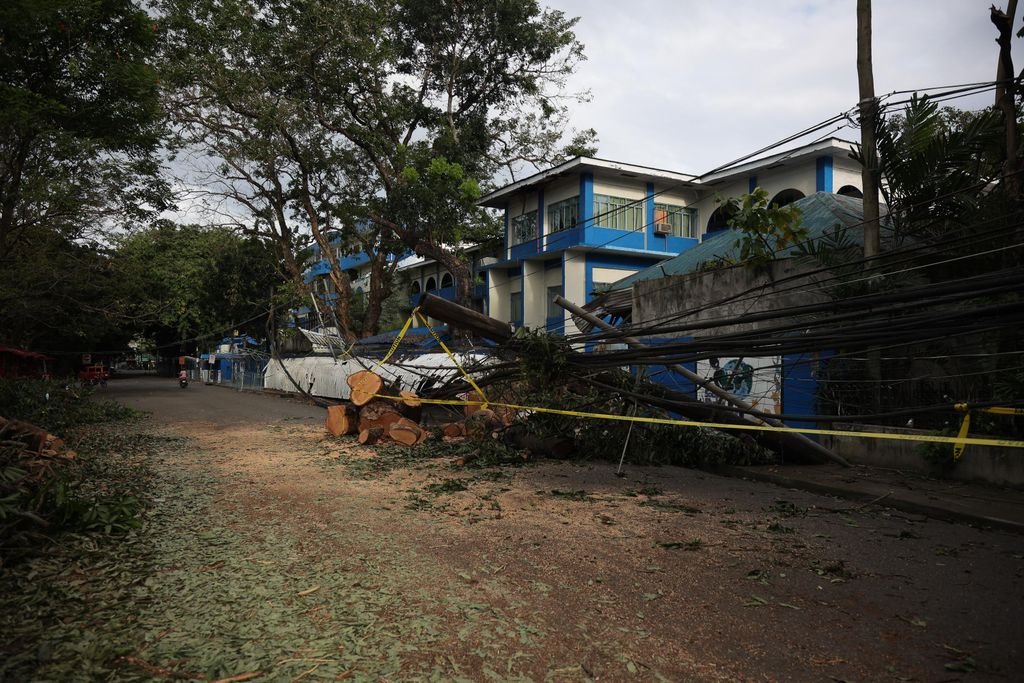
Homeowners insurance may cover tree removal when a tree falls because of a covered event and damages an insured structure, such as your house, attached garage or detached garage. A policy may also provide limited removal coverage when a fallen tree blocks a driveway or an accessibility ramp. However, if a healthy tree simply falls in the yard without damaging covered property or blocking required access, removal is often the homeowner’s responsibility.
The answer depends on more than who owned the tree. Insurers examine why it fell, where it landed, what it damaged and which policy provisions apply. Wind, lightning, fire, the weight of ice and vehicle impact can produce different outcomes. Limits for cutting, hauling and disposing of a tree may also be much lower than the dwelling limit that applies to structural repairs.
This guide explains when homeowners insurance may pay for fallen-tree removal, when it usually does not, how a neighbor’s tree is handled, which policy sections may respond and what to do before hiring a cleanup company.
Quick answer: Homeowners insurance often helps remove a tree when it falls on and damages a covered structure because of a covered peril. Removal may also be available when a tree blocks the driveway or a wheelchair-accessible entrance. A tree that falls harmlessly in the yard is usually not covered, and preventive removal of a dead or dangerous standing tree is normally a maintenance expense.
When Does Homeowners Insurance Cover Tree Removal?
Tree-removal coverage generally starts with three questions:
- Why did the tree fall? The cause must fit the policy’s covered-peril language and avoid an applicable exclusion.
- Where did the tree land? Coverage is stronger when the tree damages an insured structure or blocks required access.
- What expense is being claimed? Structural repair, tree removal, debris hauling and landscaping replacement can fall under different limits.
The Washington State Office of the Insurance Commissioner explains that homeowners insurance usually does not cover tree removal and cleanup unless the tree fell on a home, garage, car or other property. Your own policy and state rules determine the final result.
A Tree Falls on the House
This is the clearest example of a potentially covered loss. If wind, lightning, ice or another covered peril causes a tree to strike the roof, exterior wall or another part of the home, dwelling coverage may pay to repair the structure. The policy may also pay a limited amount to cut up and remove the tree so repairs can proceed.
The structural damage and removal charge are not always subject to the same limit. Damage to the house may be covered up to the applicable dwelling limit, while tree removal may be capped per tree and per occurrence. The deductible generally applies to the overall covered claim.
For a closer explanation of the policy section that protects the structure, read WealthLedger’s guide to home insurance dwelling coverage.
A Tree Damages a Detached Garage, Shed or Fence
Detached structures are commonly insured under “other structures” coverage rather than dwelling coverage. A fallen tree that damages a detached garage, qualifying shed or fence may trigger coverage if the cause of loss is covered and the structure is eligible under the policy.
Other-structures coverage normally has a separate limit, often expressed as a percentage of the dwelling limit. Some structures used for business, rented to others or in poor condition may be treated differently. The insurer may pay for reasonable tree removal needed to access and repair covered damage, subject to policy limits.
A Tree Blocks the Driveway
Some homeowners forms provide limited coverage to remove a tree that blocks a driveway and prevents a registered motor vehicle from entering or leaving the property. Merely dropping leaves or branches near the driveway is not the same as blocking access.
The claim may require photographs showing that the driveway was genuinely obstructed. Ask the insurer whether the policy defines the covered access route and whether emergency removal can begin before inspection.
A Tree Blocks an Accessibility Ramp
A policy may also cover limited removal when a fallen tree blocks a ramp or fixture designed to assist a person with a disability. This exception can apply even when the tree did not strike the house, but the precise wording and limit matter.
Document the obstruction before moving the tree. If immediate removal is necessary for safe access, photograph the scene from several angles and retain invoices showing the emergency work performed.
A Tree Falls Because of Fire, Lightning or Vehicle Impact
Coverage for trees, shrubs and plants is narrower than coverage for buildings. Homeowners policies may cover landscaping when damage is caused by specified perils such as fire, lightning, explosion, vandalism, theft or a vehicle not owned or operated by a resident. Wind damage to the tree itself may not qualify for landscaping replacement, even when wind-caused damage to the house is covered.
The cost to replace a tree is separate from the cost to remove it from a damaged structure. Landscaping coverage is often subject to an aggregate percentage of dwelling coverage plus a small per-item limit.
When Is Tree Removal Usually Not Covered?
Homeowners insurance is designed for accidental covered losses rather than ordinary property maintenance. Several common tree expenses therefore remain the owner’s responsibility.
The Tree Falls in the Yard Without Causing Damage
If a storm knocks a tree into an open part of the yard and it does not damage insured property or block covered access, the policy usually will not pay to cut, haul or dispose of it. The fallen tree may be inconvenient and expensive, but inconvenience alone does not create coverage.
The Insurance Information Institute’s guidance on fallen trees similarly notes that removal is generally not covered when a tree does not hit an insured structure, although some policies make exceptions for blocked driveways or accessibility ramps.
Preventive Removal of a Dead or Dangerous Tree
Insurance normally does not pay to remove a standing tree simply because it is dead, diseased, leaning or considered dangerous. Identifying and correcting hazards is part of routine home maintenance.
Preventive removal can still be financially worthwhile. A dead tree close to a roof, power line, neighbor’s home or busy walkway can cause a much larger loss. Keep arborist inspections and invoices because they can show that you acted responsibly if a later event creates a dispute.
Damage Caused by Neglect
If a tree was visibly rotting or unstable and the homeowner ignored repeated warnings, the insurer may investigate whether neglect or failure to protect the property contributed to the loss. The policy may still address damage differently from the cost of maintaining the tree, but coverage is never guaranteed.
Evidence may include dated photographs, arborist reports, municipal notices, written complaints from neighbors and prior repair records. A claim involving a neglected tree can also create liability questions if it damages someone else’s property.
Removal Required Only for Landscaping or Convenience
A homeowner may want to remove a tree because it blocks a view, drops sap, interferes with a garden or makes a future project difficult. These are landscaping decisions rather than insured losses. Standard homeowners insurance does not pay for elective tree work.
Tree Roots Damage a Foundation, Driveway or Sewer Line
Root damage usually develops gradually. Policies commonly exclude wear, deterioration, settling, cracking and maintenance-related losses. If roots slowly lift a driveway, invade a sewer pipe or affect a foundation, insurance is unlikely to pay for the tree removal or gradual damage.
A sudden secondary event may require a separate analysis, but the homeowner should not assume that a later discovery converts long-term root growth into a covered loss.
Covered Tree Removal vs. Uncovered Tree Work
| Scenario | Likely treatment | Main reason or limitation |
|---|---|---|
| Wind-blown tree damages the roof | Often potentially covered | Dwelling damage and limited removal may qualify, subject to deductible and limits. |
| Tree falls on a detached garage | May be covered | Other-structures coverage may respond if the cause is covered. |
| Tree blocks the only driveway | May receive limited removal coverage | Some forms cover removal when vehicle access is blocked. |
| Tree blocks a wheelchair ramp | May receive limited removal coverage | Accessibility-related removal may be specifically included. |
| Healthy tree falls harmlessly in the yard | Usually not covered | No insured structure damage or covered access obstruction occurred. |
| Dead tree is removed before it falls | Not covered | Preventive maintenance is the owner’s responsibility. |
| Roots gradually crack a driveway | Usually not covered | Gradual growth, maintenance and earth-movement-related exclusions may apply. |
| Neighbor’s tree damages your house | Your policy may respond | Ownership of the tree is usually less important than damage and cause. |
| Tree damages your parked car | Home policy usually does not repair the car | Comprehensive auto coverage may apply instead. |
| Wind damages an expensive ornamental tree | Replacement may be limited or excluded | Landscaping uses named perils and low per-item or aggregate limits. |
This table describes common outcomes, not guaranteed decisions. Policy forms, endorsements and state rules vary.
Does It Matter Who Owns the Fallen Tree?
Tree ownership is often less important than homeowners expect. If a neighbor’s healthy tree is blown onto your insured home by a storm, you generally report the property damage to your own homeowners insurer. Your policy may cover the house repairs and eligible removal costs according to its terms.
The same approach can work in reverse. If your healthy tree is blown onto a neighbor’s house by an unexpected storm, the neighbor may submit the property claim to their own insurer.
The analysis changes when negligence may be involved. If a tree owner knew—or reasonably should have known—that a tree was dead, diseased or dangerous and failed to act, the damaged property’s insurer may seek reimbursement from the responsible party. This recovery process is called subrogation.
Your Neighbor’s Tree Falls on Your House
Take photographs showing the tree, point of origin and building damage. Report the claim to your own insurer instead of waiting for the neighbor to decide whether to contact their carrier. Avoid making accusations before an arborist or adjuster has assessed the tree.
If you previously notified the neighbor in writing about a visible danger, preserve those messages. They may help the insurers evaluate responsibility, but they do not replace your obligation to report and mitigate your own damage.
Your Tree Falls on a Neighbor’s House
Provide your insurance information if requested and notify your insurer when there is a reasonable possibility of a liability claim. Do not promise payment or admit legal responsibility before the facts are reviewed.
A storm does not automatically make you liable merely because the tree originated on your land. Liability generally depends on negligence, notice of the hazard and applicable state law.
A City-Owned Tree Damages Your Property
Claims involving municipal trees may have special notice rules and short deadlines. Report the loss to your homeowners insurer promptly and ask the relevant public agency about its claims procedure. Do not assume the city will automatically pay just because it owned the tree.
How Much Does Insurance Pay for Tree Removal?
Tree-removal benefits are commonly limited. A policy may state a maximum for one tree, a total maximum for one event or both. These limits can apply even when the cost of safely removing a large tree is much higher.
The Insurance Information Institute reports that many policies have historically provided removal limits in the range of roughly $500 to $1,000, depending on the insurer and form. Treat those figures only as examples; your declarations, policy form and endorsements provide the applicable amount.
Removal Limit vs. Structural Damage Limit
Suppose a wind-blown tree causes $18,000 of covered roof and interior damage and costs $2,500 to remove. The roof repairs may be evaluated under dwelling coverage, while the removal charge may be subject to a smaller tree-removal or debris-removal limit. The deductible may then be subtracted according to the policy.
This is why a statement such as “the tree claim is covered” does not reveal how much will be paid. Ask for an itemized estimate separating:
- Emergency stabilization
- Tree cutting and crane work
- Hauling and disposal
- Tarping and temporary protection
- Roof or structural repair
- Interior water damage
- Personal property damage
- Landscaping replacement
- Code-required upgrades
Debris-Removal Coverage
Homeowners policies may provide debris-removal coverage as an additional benefit related to a covered property loss. It can interact with the property limit and may provide a limited additional percentage when covered damage plus debris-removal expense exceeds the applicable limit.
Tree-removal provisions can be more restrictive than general debris-removal language. Read both sections and ask the adjuster which provision controls the invoice.
Deductible Considerations
The applicable deductible can make a small tree claim impractical. If removal and minor repair costs are only slightly higher than the deductible, the insurer’s payment may be limited. In catastrophe-prone areas, a separate windstorm, hurricane or named-storm deductible may apply.
Do not delay emergency work merely to decide whether the claim is worthwhile. Protect people and property first, document the scene and then compare the estimated covered loss with the deductible.
Does Homeowners Insurance Replace Damaged Trees and Landscaping?
Coverage for living trees, shrubs and plants is not the same as coverage for the house. Standard forms commonly cover landscaping only for a limited list of causes, which may include fire, lightning, explosion, theft, vandalism and impact by certain vehicles or aircraft. Wind is commonly excluded for the tree or shrub itself.
Landscaping coverage may be limited to a percentage of dwelling insurance and a much smaller amount for each plant. Trees grown for business or commercial purposes can be excluded.
If a windstorm destroys a valuable tree without damaging a structure, the policy may pay nothing for the tree or its removal. If lightning destroys the same tree, limited landscaping coverage may apply because lightning is among the listed causes. The exact policy language decides.
What If a Tree Damages Your Car?
Homeowners insurance generally does not pay to repair a vehicle damaged by a fallen tree. Comprehensive auto coverage is the policy section that commonly covers non-collision losses such as falling objects, subject to the auto deductible.
The homeowners policy may still be relevant if the same tree damages the garage or house. That can result in two claims under two policies with separate deductibles: one for the building and another for the vehicle.
If you carry liability-only auto insurance without comprehensive coverage, damage from a fallen tree may not be insured under the auto policy. Confirm coverage with the auto insurer before authorizing non-emergency repairs.
Which Homeowners Policy Coverages May Respond?
Dwelling Coverage
Dwelling coverage can repair the house and attached structures after covered tree impact. This may include roofing, framing, siding, windows and interior damage caused by rain entering through an opening created by the fallen tree.
Other Structures Coverage
This section may cover detached garages, qualifying sheds, fences and similar structures. It has its own limit and exclusions. The policy may restrict structures used for business or rented to someone who is not a tenant of the residence.
Personal Property Coverage
If a tree opens the roof and a covered loss damages furniture, electronics or other belongings, personal property coverage may respond. The settlement may use actual cash value unless replacement-cost coverage applies.
Our guide to replacement value and actual cash value explains how depreciation can affect an initial payment.
Loss of Use Coverage
When covered tree damage makes the home uninhabitable, loss-of-use coverage may reimburse eligible additional living expenses during a reasonable repair period. Keep lodging, meal and transportation receipts and ask the adjuster which costs require approval.
Personal Liability Coverage
Liability coverage may defend and indemnify an insured when alleged negligence involving a dangerous tree causes bodily injury or property damage to someone else, subject to policy terms. Intentional damage and certain business-related exposures can be excluded.
Medical Payments to Others
If a guest is injured by a falling branch, medical-payments coverage may pay limited eligible medical expenses without requiring a liability lawsuit, depending on the circumstances and policy. This coverage does not pay the insured household’s own medical bills.
Policy forms vary in breadth. WealthLedger’s HO-3 and HO-5 insurance comparison explains why covered-peril language and exclusions can differ.
Practical Tree-Removal Claim Examples
Example 1: A Windstorm Drops a Tree on the Roof
A healthy tree is uprooted by a severe windstorm and lands across the house. It breaks roof decking and allows rain into a bedroom. The homeowner photographs the scene, calls the insurer and hires emergency services to tarp the roof and stabilize the tree.
If wind is covered, dwelling coverage may pay for roof and interior repairs. Tree removal needed to access the building may also be covered, but a separate removal limit could leave part of the arborist bill unpaid.
Example 2: A Tree Falls Across an Empty Backyard
The same storm knocks a tree into an open lawn. It does not hit a fence, shed, house or other insured property and does not block access.
Removal is usually a maintenance expense because no covered property was damaged and no covered access exception applies.
Example 3: A Fallen Tree Blocks the Only Driveway
A tree falls across the driveway, trapping the household’s registered vehicle. No building is damaged.
Some policy forms provide limited removal coverage because vehicle access is blocked. Photographs and the tree-service invoice should clearly establish the obstruction and work performed.
Example 4: A Neighbor’s Dead Tree Damages the Garage
The neighbor had received an arborist report stating that the tree was hazardous but did not remove it. The tree later falls on your detached garage.
Your other-structures coverage may address the immediate property claim. Your insurer may then investigate whether it can recover from the neighbor or the neighbor’s liability insurer. Keep prior written notices and the arborist information.
Example 5: A Branch Falls on a Parked Car
A heavy branch crushes the windshield and hood but does not damage the house.
The claim generally belongs under comprehensive auto coverage, not homeowners dwelling coverage. The auto deductible and settlement provisions apply.
Example 6: Lightning Destroys an Ornamental Tree
Lightning splits a valuable ornamental tree, which falls without hitting a structure.
Because lightning may be a listed peril for trees and shrubs, limited landscaping and removal coverage may apply. The per-item limit could be substantially lower than the tree’s replacement value.
What to Do Immediately After a Tree Falls
1. Protect People First
Stay away from downed power lines, unstable branches, damaged roofs and partially uprooted trees. Call emergency services or the electric utility when there is an immediate hazard. Do not climb onto a damaged roof or attempt chainsaw work beyond your training.
2. Prevent Additional Damage
Homeowners policies generally require reasonable steps to protect damaged property. This may include emergency tarping, moving undamaged belongings away from water and arranging safe stabilization. Do not perform work that creates an additional danger.
3. Photograph the Scene
Take wide images showing where the tree originated and landed, then closer images of structural damage, broken branches, roots and affected belongings. Photograph blocked access before the tree is moved.
4. Contact the Insurer
Report the event promptly and ask whether an adjuster must inspect before removal. Obtain a claim number and record the names and dates of conversations. Ask which deductible and tree-removal limit may apply.
5. Use Qualified Contractors
Large or unstable trees may require a certified arborist, crane service, roofer or structural professional. Verify licenses and insurance where applicable. After major storms, be cautious of contractors demanding large upfront payments or pressuring you to sign over insurance benefits.
6. Save Everything
Keep the tree-service proposal, invoices, photographs, temporary-repair receipts, contractor estimates and damaged-property inventory. If practical and safe, preserve a representative damaged component until the insurer confirms it is unnecessary.
The South Carolina Department of Insurance severe-weather checklist recommends documenting damage, making temporary repairs, saving receipts and checking with the insurer before hiring tree-removal services.
How to File a Fallen-Tree Insurance Claim
Determine Which Policy Applies
The building claim generally goes to the homeowners insurer. Vehicle damage generally goes to the auto insurer if comprehensive coverage exists. Damage to a neighbor’s property may involve their property insurance and potentially your liability coverage.
Obtain an Itemized Tree-Service Estimate
Ask the contractor to separate emergency stabilization, removal from the structure, cutting, crane work, hauling, stump grinding and elective trimming. Stump removal and work on unaffected trees may not be covered even when removal from the house is.
Document the Cause
Weather reports, lightning records, photographs and an arborist’s findings may help establish why the tree fell. If decay is alleged, ask whether the condition was visible before the event or hidden inside the trunk or roots.
Review the Insurer’s Estimate
Compare the adjuster’s scope with contractor estimates. Confirm that structural repairs, interior damage, personal property, temporary protection, debris removal and code requirements were considered. Request a written explanation for excluded items.
Track Depreciation and Deadlines
Replacement-cost policies may initially pay actual cash value and release recoverable depreciation after repairs are completed. Confirm documentation requirements and deadlines in writing. Catastrophe-related extensions may exist, but never assume they apply without confirmation.
How to Reduce Tree-Related Insurance Risk
- Inspect mature trees periodically and after major storms.
- Hire a qualified arborist when a tree leans, cracks, loses large limbs or shows decay.
- Remove dead branches that threaten the roof, driveway or neighboring property.
- Keep records of inspections, trimming and removal.
- Do not plant large species too close to foundations, utilities or structures.
- Photograph the property before storm season.
- Review wind, hurricane, other-structures, debris-removal and landscaping limits.
- Confirm whether a separate windstorm deductible applies.
- Notify a neighbor politely and in writing when a visible hazardous tree threatens your property.
- Never attempt dangerous tree work without proper training and equipment.
Maintenance does not guarantee that a storm loss will be prevented, but it can reduce damage and provide evidence that reasonable care was taken.
Questions to Ask Your Insurer Before Storm Season
- Does my policy cover wind damage from falling trees?
- What is the maximum tree-removal benefit per tree and per occurrence?
- Is removal covered when a tree blocks my driveway?
- Does the policy cover a blocked accessibility ramp?
- How is removal from a detached garage handled?
- Is stump grinding covered?
- Which causes of damage are covered for trees, shrubs and plants?
- What is the landscaping limit per plant and in total?
- Does a separate windstorm, hurricane or named-storm deductible apply?
- How are damaged belongings valued?
- Does loss-of-use coverage apply if the home is unsafe?
- What documentation should I collect before emergency removal?
Homeowners insurance is broader than hazard coverage in some contexts. Our explanation of hazard insurance versus homeowners insurance can help clarify the terminology used by lenders and insurers.
Frequently Asked Questions
Does homeowners insurance cover tree removal after a storm?
It may cover limited removal when a covered storm causes a tree to damage an insured structure or block covered access. If the tree falls harmlessly in the yard, removal is usually not covered.
Does homeowners insurance cover a tree that falls on the house?
Often, yes, when a covered peril such as wind or lightning caused the fall. Dwelling coverage may pay for building repairs, while tree removal may be subject to a smaller separate limit and the policy deductible.
Does insurance cover a neighbor’s tree falling on my property?
Your homeowners policy may cover damage to your insured property regardless of who owned the tree. If the neighbor negligently ignored a known hazard, your insurer may later pursue recovery.
Who pays when my tree falls on my neighbor’s house?
The neighbor commonly reports the property damage to their own insurer. You may be liable if negligence can be established, such as ignoring a known dangerous tree. Notify your liability insurer if a claim is possible.
Does homeowners insurance cover tree removal from the yard?
Usually not when the tree did not damage insured property or block covered access. Some policies cover limited removal for a blocked driveway or accessibility ramp.
Does homeowners insurance pay to remove a dead tree?
Not as preventive maintenance. Removing a dead, diseased or dangerous standing tree is generally the property owner’s responsibility.
Does homeowners insurance cover a tree that falls on a fence?
It may if the fence qualifies as an insured other structure and the tree fell because of a covered peril. Other-structures limits, removal limits and the deductible apply.
Does homeowners insurance cover stump removal?
Stump grinding or removal is often excluded or limited because it may not be necessary to repair covered property. Ask the insurer to identify whether it is included in the approved tree-removal scope.
Does homeowners insurance cover tree-root damage?
Gradual root damage to foundations, driveways, pipes or landscaping is usually considered maintenance-related and commonly excluded. The specific cause and policy wording still require review.
Does homeowners insurance cover damage to the tree itself?
Trees and shrubs may have limited coverage for specified causes such as fire, lightning, theft, vandalism or certain vehicle impacts. Wind damage to the tree itself is commonly not covered. Per-item and aggregate landscaping limits apply.
Does homeowners insurance cover a tree falling on a car?
The car is generally covered by comprehensive auto insurance rather than the homeowners policy. Building damage caused by the same tree may create a separate homeowners claim.
Is tree removal subject to the homeowners deductible?
When removal is part of a covered property claim, the applicable property deductible generally affects the claim. Some additional coverage provisions can operate differently, so confirm the calculation with the insurer.
Can I remove the tree before the insurance adjuster arrives?
Emergency removal may be necessary to protect people or prevent further damage. Photograph and video the scene first when safe, contact the insurer promptly and preserve itemized invoices. Avoid unnecessary permanent work before inspection.
Will a fallen-tree claim increase my premium?
A claim can affect pricing or renewal, but the result varies by insurer, state, catastrophe rules, claim history and loss type. Ask the insurer or agent how claims are considered without delaying necessary emergency action.
Bottom Line
Homeowners insurance is most likely to cover tree removal when a tree falls because of a covered event and damages an insured structure. Limited removal coverage may also apply when a tree blocks a driveway or accessibility ramp. A tree that falls harmlessly in the yard, preventive removal of a dangerous tree and gradual root damage are usually homeowner expenses.
Separate the claim into its parts: structural damage, personal property, loss of use, tree cutting, hauling, landscaping and vehicle damage. Each can fall under a different limit or even a different policy. Document the scene before cleanup, protect the property from further damage and obtain an itemized coverage explanation from the insurer.
This article is for general educational and informational purposes only. It is not individualized insurance, financial, legal, arboricultural, construction or claims advice. Coverage depends on the policy form, endorsements, exclusions, limits, deductible, state law and facts of the loss. Consult the insurer, a licensed insurance professional, qualified arborist and appropriate legal or construction professionals about a specific situation.