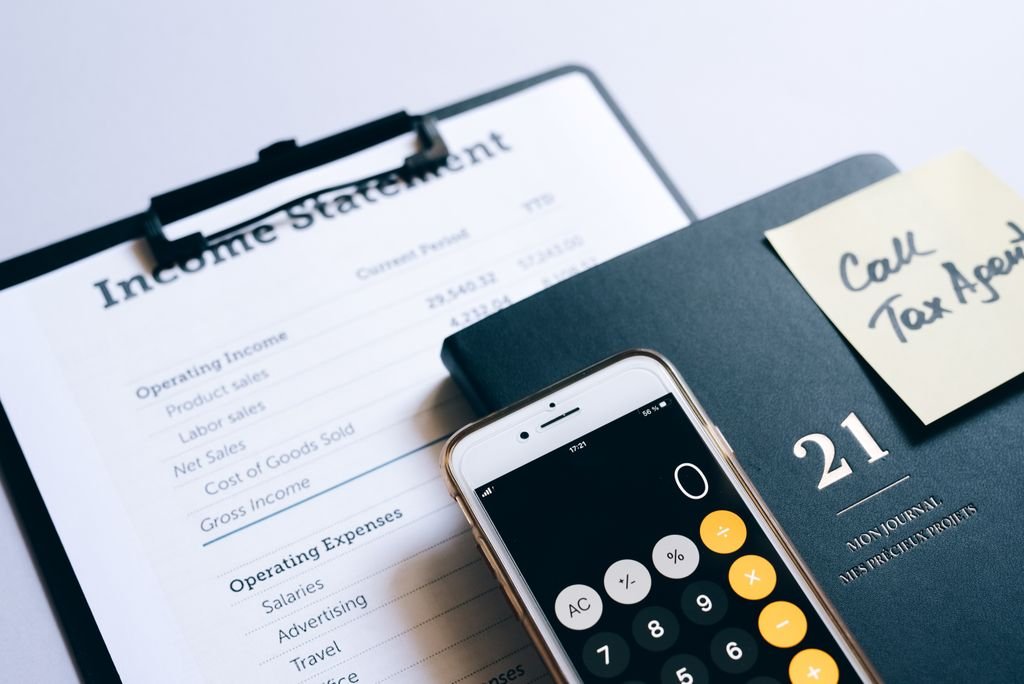
A monthly expenses list sample gives you a starting point for tracking household spending. Include housing, utilities, food, transportation, insurance, healthcare, debt payments and personal spending, then add the categories that apply to your life. Keep savings transfers and money reserved for future bills visible without confusing them with purchases made this month.
The goal is an accurate list you can use, not a set of numbers that looks impressive. The examples below use U.S. dollars and fictional amounts. They are not national averages or recommended spending limits.
Give every expense a place before it becomes a surprise.
Monthly Expenses List Sample: The Main Categories
Start with this checklist. Delete categories you do not need and separate large costs that deserve their own line.
| Category | Expenses to consider | What to check |
|---|---|---|
| Housing | Rent or mortgage, HOA fees, property taxes | Whether taxes and insurance are already in escrow |
| Utilities | Electricity, gas, water, sewer, trash | Seasonal changes and fees |
| Communication | Internet and mobile service | Device installments and promotional rates |
| Food | Groceries, restaurant meals, delivery | Separate household supplies if useful |
| Transportation | Loan or lease, fuel, transit, parking | Maintenance and registration paid less often |
| Insurance | Auto, renters, homeowners, life, health | Premiums already deducted from pay |
| Healthcare | Prescriptions, copays, dental and vision | Reimbursements and out-of-pocket costs |
| Debt payments | Credit cards, student loans, personal loans | Minimums, extra payments and double counting |
| Family and care | Childcare, school costs, dependent care, pets | Changing schedules and periodic fees |
| Personal and household | Toiletries, clothing, laundry, cleaning supplies | Items hidden in grocery-store totals |
| Optional spending | Entertainment, hobbies, subscriptions, gifts | Annual renewals and unused services |
Your list can be shorter than this. A renter without a vehicle may need no mortgage, HOA or car-payment lines. A family paying for childcare may need several care categories. The useful version reflects actual obligations.
A Worked Example for $4,000 in Take-Home Income
Consider a fictional renter with $4,000 deposited each month after taxes and payroll deductions. This example includes spending, savings and reserves in one cash-allocation plan so the whole deposit has a purpose.
| Monthly allocation | Example amount |
|---|---|
| Rent | $1,300 |
| Utilities | $180 |
| Phone and internet | $120 |
| Groceries | $400 |
| Dining out | $100 |
| Car payment | $250 |
| Fuel and parking | $150 |
| Auto and renters insurance | $140 |
| Healthcare paid outside payroll | $100 |
| Student loan payment | $200 |
| Personal and household items | $120 |
| Entertainment and subscriptions | $90 |
| Reserves for predictable irregular bills | $200 |
| Emergency savings transfer | $250 |
| Other savings goals | $300 |
| Unassigned cash buffer | $100 |
| Total allocation | $4,000 |
Current spending and debt payments total $3,250. Another $200 is reserved for future bills, $550 moves toward savings goals, and $100 remains as a buffer. Allocating all $4,000 does not mean spending all $4,000 on consumption.
This household has no childcare cost in the example. Retirement contributions deducted before the deposit are also outside this particular take-home plan. Add or revise those lines when your situation differs.
If your own rent is $1,900, replacing the example rent raises the total by $600. The sample no longer fits the same income unless other allocations fall or dependable income rises. Do not copy percentages without checking the dollars.
Build Your List From Records
The Consumer.gov budgeting guide recommends starting with bills and pay stubs, listing expenses and comparing them with income. Use your own records to replace every example figure.
- Gather recent checking, credit-card and payment-app statements.
- List recurring bills and their due dates.
- Group everyday purchases into categories.
- Check the previous year for expenses missing from the recent months.
- Separate purchases, debt payments, savings transfers and reimbursements.
- Compare the total with dependable take-home income.
Reviewing two or three recent months can reveal ordinary patterns, while a longer review helps identify annual renewals. An unusual vacation or medical bill should be labeled rather than silently treated as normal monthly spending.
Once the list is complete, our guide to turning income and expenses into a monthly plan explains how to use it for decisions.
Separate Fixed, Variable and Irregular Costs
Fixed costs usually stay similar between billing periods. Variable costs change with usage or choices. Irregular costs arrive less frequently, but may still be predictable.
A rent payment may be fixed for the lease term. Groceries vary. Annual vehicle registration is irregular. These labels help you estimate amounts and decide when to reserve money; they do not determine whether an expense is essential.
Our explanation of fixed and variable spending gives more examples of that distinction.
Plan for a bill that is not due every month
Suppose a $600 annual renewal is due in 12 months and you have nothing reserved. Setting aside $50 monthly would fund it if the cost stays the same. If it is due in four months, the required contribution is $150 monthly instead.
Use the remaining amount and time until the deadline, rather than automatically dividing every bill by 12. Review the estimate when the actual renewal arrives.
Our list of funds for predictable future expenses can help identify missing categories. When the bill is paid from its reserve, record the payment and reduce that reserve; do not charge the full payment against new income a second time.
A Simple Planned-versus-Actual Template
Keep a blank version of this table in a notebook or spreadsheet. Add rows for your own categories.
| Category | Planned | Actual | Notes |
|---|---|---|---|
| Housing | $___ | $___ | Due date: ___ |
| Utilities | $___ | $___ | Seasonal change: ___ |
| Food | $___ | $___ | Groceries or dining: ___ |
| Transportation | $___ | $___ | Upcoming maintenance: ___ |
| Other spending and debt | $___ | $___ | Details: ___ |
| Savings and reserves | $___ | $___ | Purpose: ___ |
| Total allocations | $___ | $___ | Income remaining: ___ |
For spending categories, an actual amount above the plan means you used more than intended. For savings, a lower actual transfer means progress fell short. A single difference column can hide that distinction, so keep notes about what happened.
Common Ways Expenses Get Counted Twice
Credit-card purchases and the card payment
If you record a $75 grocery purchase when it happens, do not record the same $75 again as new grocery spending when you pay the card. Paying the balance moves money to settle an obligation already recorded.
Payments toward older debt still belong in your cash-flow plan, and interest or fees need their own treatment. A purchase-tracking view and a bill-payment view serve different purposes; use consistent rules when connecting them.
Payroll deductions and deposited income
If health premiums and retirement contributions were deducted before your take-home deposit, do not subtract them again from that same deposit. You can show them separately in a wider financial overview without treating them as additional checking-account payments.
Escrow and separate housing lines
A mortgage payment may include property-tax and insurance escrow amounts. Check the statement before adding the same costs as separate monthly bills. HOA fees, repairs and utilities may still be additional costs.
Check Timing as Well as Monthly Totals
A balanced monthly list does not guarantee that cash will be available on every due date. Rent can be due before the paycheck that would cover it.
The CFPB money-management toolkit includes a spending tracker, bill calendar and cash-flow budgeting tools. A calendar beside your expense list helps connect the amounts to actual payment dates.
If you receive pay every two weeks, our guide to organizing bills around biweekly paydays can help you plan the gaps between deposits. Do not commit regular bills to an annual monthly average without checking when the money arrives.
What to Do When the List Exceeds Your Income
First check whether the shortfall comes from double counting, an unusual month or a lasting gap. Then review essentials, required payments and flexible spending using actual amounts.
- Cancel services you no longer use and check renewal dates.
- Review food, transportation and other controllable costs without setting impossible limits.
- Ask providers or creditors about available arrangements before missing payments.
- Reassess savings targets and deadlines when the current plan cannot support them.
- Explore benefits, assistance or dependable income changes when necessities exceed resources.
Do not stop necessary insurance, medication or required payments merely to make the table balance. A persistent shortfall can require more than small cuts. Also avoid treating a credit limit as income.
Frequently Asked Questions
What should a monthly expenses list include?
Include the costs you actually pay: housing, utilities, food, transportation, insurance, healthcare, debt and personal spending. Add care costs, pets and other relevant obligations. Show savings and future-bill reserves separately within the overall allocation plan.
Are savings an expense?
Savings are an allocation rather than consumption. Including transfers in your budget helps protect the goal, but label them clearly so you can distinguish money spent from money still owned.
How do I include an annual bill?
Estimate the amount, subtract money already reserved and divide the balance by the months until it is due. Update the target if the bill changes.
How often should I update the list?
Review transactions regularly and reconcile the plan each month. Update it sooner when pay, rent, household responsibilities or a major bill changes.
Make the Sample Your Own
Use this monthly expenses list sample as a checklist, then replace the figures with your records. Keep purchases, debt payments and savings clearly labeled, include costs that arrive less often, and match bills to paydays.
The best list is one you can maintain and use to make the next month’s plan more realistic.