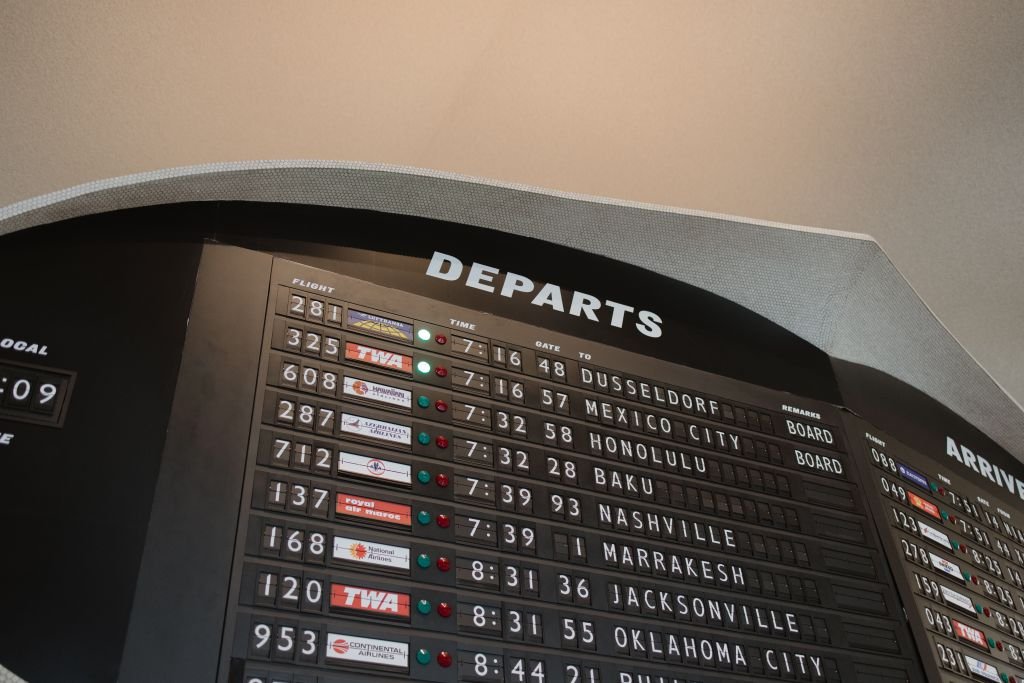
A delayed flight can create extra bills. Coverage depends on why the delay happened and what your policy promises.
Trip delay insurance can reimburse certain additional expenses when a covered travel disruption lasts long enough to meet a policy’s requirements. Depending on the plan, eligible costs may include meals, an extra hotel night and necessary local transportation. It does not automatically pay for every delay or every purchase made while waiting.
For Christmas and other busy travel periods, the practical questions are straightforward: which reasons qualify, how the waiting period is measured, what limits apply and what records you must keep. This guide focuses on U.S. travelers and separates insurance benefits from airline refunds and customer-service commitments.
What does trip delay insurance cover?
A travel protection plan may include trip delay as one benefit among several. The NAIC’s travel insurance guide explains that policies have their own limits and covered situations. Start with your actual policy or certificate, not a general advertisement.
Ask whether coverage applies to your transportation, itinerary and travelers. Some wording focuses on a common carrier, such as an airline or train operator. A delay during a self-driven trip may be treated differently. Also check whether the benefit applies at departure, during the trip and on the return journey.
| Possible expense | What to verify |
|---|---|
| Meals during the delay | Eligible purchases, receipts and daily maximum |
| Additional accommodation | Covered overnight delay, reasonable cost and location rules |
| Local transportation | Whether necessary airport or hotel trips are included |
| Unused prepaid arrangements | Whether trip delay or another benefit applies |
| Transport to catch up with an itinerary | Missed-connection or other specific coverage |
Travel Guard’s benefits overview, for example, describes eligible meals, transportation and accommodation after covered delays, while noting that the minimum delay varies by plan. This is an illustration of benefit design, not a promise about your contract.
How long must a delay last?
There is no single waiting period for all trip delay insurance. Check the required number of hours, any overnight alternative and whether the wording uses consecutive hours. Ask when the clock starts and which scheduled time the insurer compares with the actual itinerary.
Allianz’s travel-delay explanation lists different minimum periods across its plans. A threshold quoted for one product should not be copied onto another company’s policy or even another plan from the same company.
For example, a five-hour disruption would not meet a hypothetical six-consecutive-hour requirement merely because it felt like a full day at the airport. Whether overnight accommodation qualifies under a separate provision depends on the wording. Obtain the carrier’s actual timing records.
Covered reasons matter as much as the clock
A long delay is not sufficient if its cause is excluded. Weather, carrier problems or other events may qualify under particular policies, but the contract defines the circumstances. Being late because you overslept is different from a documented carrier disruption.
Travel Guard’s trip delay and missed-connection guide illustrates this distinction and directs travelers to their plan terms. Read exclusions and definitions alongside the headline benefit.
Do not assume that Christmas crowds, a tight connection or an ordinary traffic jam automatically creates a covered event. Plan enough connection time and verify whether separate tickets, airports or ground transfers affect eligibility.
Understand daily limits and the total maximum
A policy can show a large maximum while applying a smaller limit per traveler, day or occurrence. Identify all relevant limits and whether expenses are shared across family members. Confirm whether taxes, local transport and other charges count inside the same cap.
Consider a hypothetical one-day delay with $240 of otherwise eligible expenses and a $150 daily limit. If an airline already pays $60 toward those same expenses and the policy pays only unreimbursed costs, the remaining eligible amount would be $180. The daily cap could reduce the insurance reimbursement to $150. Actual claim calculations depend on the contract.
A benefit maximum is not a daily spending allowance. Reimbursement generally depends on eligible costs and evidence. A separate fixed-payment benefit may work differently; check its trigger and whether accepting it affects another claim.
Insurance is separate from airline assistance
Ask the airline about rebooking, meal vouchers and overnight accommodation before paying out of pocket. The U.S. Department of Transportation’s airline dashboard summarizes carrier commitments for controllable disruptions, such as certain crew or maintenance problems.
Weather-related delays and airline-controlled delays can produce different assistance outcomes. Check your airline’s current customer-service plan and any restrictions rather than assuming every stranded traveler receives the same hotel or meal support.
Keep a record of assistance offered and accepted. An airline voucher or refund can affect which expenses remain eligible for insurance reimbursement. Do not submit the same meal or hotel charge as an unreimbursed loss to multiple providers.
A refund is a different question
The DOT’s refund guidance explains refund rights when an airline cancels or significantly changes a flight and the traveler declines the offered alternatives. Taking a delayed or replacement flight changes the refund analysis.
A ticket refund is not the same as reimbursement for a hotel you used while waiting. Before accepting a voucher instead of a refund, understand the choice and how it fits your remaining plans. Keep written confirmations of what the carrier will provide.
Does your credit card already offer coverage?
Some cards include trip delay reimbursement, but using a card does not guarantee protection. Check the current guide to benefits for the exact account. Confirm payment requirements, eligible travelers, covered reasons, waiting periods and claim deadlines.
Chase’s trip-delay guide notes that credit-card coverage is often secondary to other reimbursement. Do not assume the same coordination rule applies to every product.
If you have both a travel policy and a card benefit, ask each administrator how to document payments from other sources. Our explanation of primary and secondary insurance provides background on coordination, although your travel contract determines its own claim process.
Buying after a disruption becomes known
Travel insurance is intended for covered uncertain events, not guaranteed reimbursement for a problem already happening. Buying at the airport after an announced cancellation will not ordinarily turn that cancellation into a newly insured loss.
Allianz’s winter-storm guidance explains that storm-related losses are not covered under its stated rules when the policy is purchased after the storm becomes a known threat. Consult your insurer’s event notices and policy definitions; a storm’s name is not the only wording to check.
Before holiday travel, review coverage while arranging the trip and save the purchase date and effective date. Ask about residence requirements, trip dates and any purchase windows affecting other benefits. Avoid assuming a policy begins protecting every risk immediately after payment.
How to file a trip delay claim
- Contact the airline and assistance provider. Ask what support is available and whether you need guidance before booking replacement arrangements.
- Document the cause and duration. Request a carrier statement and retain itinerary changes and notifications.
- Keep itemized receipts. Separate meals, lodging, transport and expenses that may fall outside coverage.
- Track other payments. Record airline vouchers, refunds, credits and reimbursement from another policy or card benefit.
- Follow claim deadlines. Check both the deadline for notifying the administrator and the deadline for submitting evidence.
- Review the decision. Compare the explanation with the benefit wording and ask about missing documents or the review process if necessary.
Travel Guard’s required-document guidance requests an itinerary, expense receipts, a report verifying the delay and information about payments from other parties. Its general page is a document checklist; use your own plan for the applicable waiting period and benefit limits.
A screenshot saying “delayed” may not explain the covered cause. A bank statement can prove a payment but may not show what you bought. Retain both itemized receipts and proof of payment where available.
What trip delay does not automatically replace
Do not treat this benefit as unlimited cancellation, medical, baggage or missed-connection protection. Those benefits can have separate triggers, limits and exclusions. Changing your mind about a trip is not the same event as being delayed during covered travel.
The NAIC’s overview of travel insurance types distinguishes these coverages. If a disruption causes you to abandon the trip, ask which benefit applies before assuming every remaining cost belongs under trip delay.
Prepare for holiday travel before departure
Save the policy, assistance contact, original itinerary and receipts somewhere you can access while traveling. Share the relevant details with a traveling companion. Know how to contact the administrator if your phone battery runs low or airport internet is unreliable.
Keep a payment method available for reasonable unexpected costs. Insurance reimbursement may arrive after you have paid the bill. Our guide to planning an accessible savings balance can help you consider that cash-flow gap without assuming a claim will be approved.
Include travel contingencies in the wider holiday plan. Our Christmas budget guide separates travel from gifts and hosting so one delay does not silently consume money intended for essential bills.
Frequently asked questions
Does trip delay insurance cover every delayed flight?
No. The reason, length, itinerary, covered travelers and effective policy dates must satisfy the contract. A delay notice alone does not establish eligibility.
Can I book any hotel and claim the cost?
Do not assume so. Reasonableness requirements, covered expenses, daily limits and available airline assistance can affect reimbursement. Ask the assistance provider when practical, especially before an unusually expensive booking.
Do I need receipts?
For expense reimbursement, retain itemized receipts unless your specific benefit says otherwise. Some products offer a fixed payment with different evidence requirements, but proof of a covered delay can still be necessary.
Can I claim if the airline reimburses me later?
Tell the insurer or benefit administrator about later payments. Follow its coordination instructions so the same expense is not reimbursed twice. Keep the final airline settlement with the claim records.
Before relying on coverage: confirm the covered cause, minimum delay, eligible expenses and payment limits. During the disruption, ask for carrier assistance and collect evidence. Those steps make a trip delay insurance claim clearer, even when holiday travel is hectic.