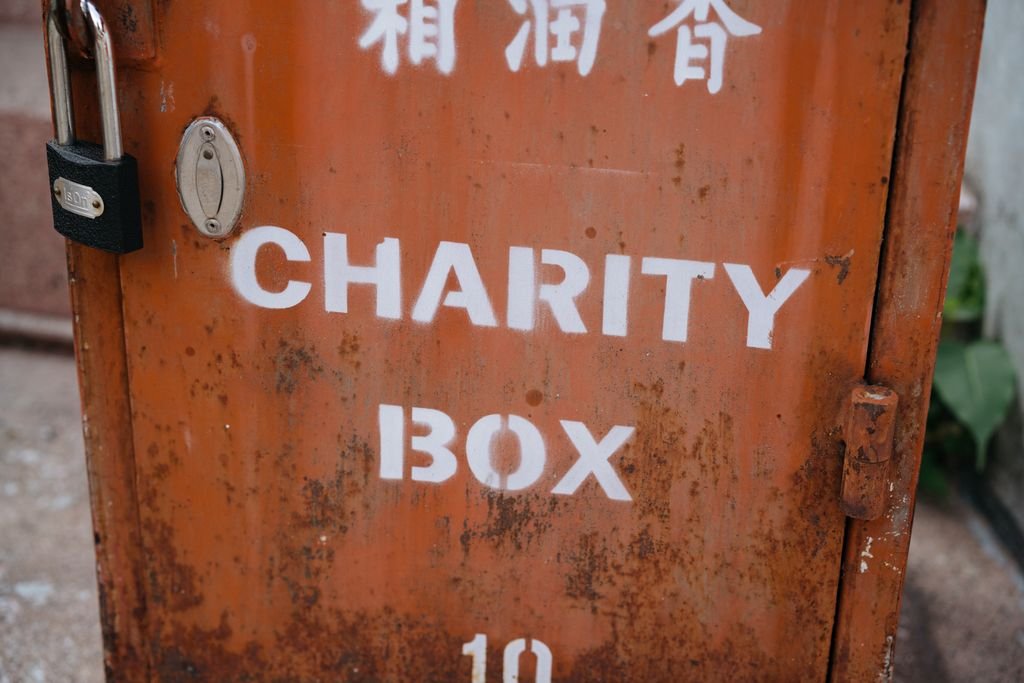
Pause before giving: a genuine wish to help deserves a verified destination.
Charity scams use a worthy-sounding cause to collect money or personal information through deception. During Christmas and year-end giving, a convincing message can arrive by phone, text, email or social media. Before donating, identify the organization, verify the fundraiser and check who will receive the payment.
This guide is for U.S. donors who want a practical checking process. It explains common warning signs, the limits of charity databases, online fundraising questions and what to do if a payment may have gone to a scammer. You do not need to make a donation immediately simply because an appeal feels urgent.
What a charity scam can look like
A scam may involve an entirely invented organization or someone impersonating a real charity. The FBI’s charity and disaster fraud guidance explains how fraudulent fundraising diverts money away from the work donors intend to support.
For example, imagine a message claiming that a local children’s holiday fund must receive your payment within an hour. The sender uses a familiar-looking logo but asks you to send gift-card numbers to a personal account. The logo and emotional story do not establish that the real organization authorized the request.
A legitimate organization can also be impersonated through a look-alike website. Finding that the real charity exists does not finish the check. You still need to confirm that the person, link and payment destination belong to it.
Warning signs that deserve a pause
| What you notice | Why to investigate | What to do next |
|---|---|---|
| Immediate payment pressure | It leaves little time for checking | End the interaction and research independently |
| A name almost matching a known charity | The appeal may borrow another organization’s reputation | Compare the official name and identifying details |
| A pledge you do not remember making | The request may create a false obligation | Check your own records before paying |
| Vague claims with no program details | You cannot evaluate the proposed use | Ask for specific activities and financial information |
| Unusual payment demands | The requested method may make recovery difficult | Verify the charity and use its official process |
The FTC’s safe-donating guidance discusses pressure, misleading names, false pledges and vague emotional claims. A warning sign is a reason to investigate, rather than proof that every small or unfamiliar charity is fraudulent.
Be especially cautious if someone promises a guaranteed prize in exchange for giving. A donation is not a reason to ignore ordinary checks about who is collecting the money.
1. Identify the organization precisely
Ask for its full legal name, address, website and Employer Identification Number, or EIN. Find out whether the person contacting you is a charity employee, volunteer or paid fundraiser. Ask which organization receives the donation and what the appeal will support.
Write the information down. Search the organization’s exact name with terms such as complaint, review or scam, and compare multiple credible sources. A search result with a positive-sounding headline is not an independent audit.
Do not rely on caller ID as verification. The CFPB’s scam guidance recommends caution about donation requests and alleged pledges you do not recognize. Contact the organization through details you find independently, not only a number supplied by the caller.
2. Check official records without overreading them
The IRS Tax Exempt Organization Search provides information about exemption status, filings and eligibility to receive deductible contributions. Compare the EIN and official name, not just a similar brand name.
The IRS notes that a doing-business-as name may not appear in the relevant dataset and that some eligible donees are not listed there. A missing search result needs further investigation; it does not by itself prove fraud. Likewise, an old revocation entry may not show the full current status if reinstatement occurred.
State fundraising registration is a separate question. The National Association of State Charity Officials explains that state offices oversee charitable organizations and solicitation, with requirements differing across states. Consult the relevant regulator about the charity or fundraiser’s registration where applicable.
These checks answer specific questions. They do not certify that a social-media account is genuine, that every program is effective or that your payment is going to the organization in the database.
3. Verify the website and payment destination
Navigate to the charity’s independently verified website. Compare the spelling carefully and check whether the donation page belongs to the organization or a disclosed payment processor. A familiar image or copied logo is easy to reuse.
The FTC’s before-giving checklist explains that an HTTPS address encrypts a connection but does not prove a site is legitimate. A scammer can also operate an encrypted website.
Check the amount, recipient and whether the donation is one-time or recurring before submitting. Review optional fees or tips separately from the amount going to the charity. Save the confirmation and check your statement afterward for the agreed charge.
If you receive an unexpected QR code, treat the destination like any other unfamiliar link. Confirm it through the organization rather than assuming a printed flyer or a friend’s forwarded message makes it trustworthy.
4. Be careful about how you pay
The OCC’s holiday and gift-card scam guidance describes fraud risks around seasonal spending and giving. Pressure to buy gift cards and send the numbers should stop the transaction.
Use a payment method supported by a verified charity and understand the protections available. The FTC recommends credit cards or checks over methods that are difficult to reverse. A charity insisting that the only option is cryptocurrency, a money transfer, a payment app or gift-card codes is a serious warning sign.
A payment-app option on a legitimate organization’s website does not make every donation through that app fraudulent. The important questions are whether the organization and recipient are verified and whether the person is pressuring you into a difficult-to-recover method.
Our guide to gift-card rules and unused balances explains ordinary card use. Sending a code to someone claiming to collect donations is a separate risk from a card’s expiration date.
5. Check crowdfunding and social-media appeals
A fundraiser shared by a friend still needs checking. Contact the friend separately to ask whether they know the organizer and intended recipient. An account may have shared a story without verifying it.
The FTC’s crowdfunding and fundraising-platform guide recommends identifying who controls the money, any fees and how funds reach the intended cause. A platform’s familiar name does not mean it has verified every campaign.
Review what happens if the goal is not reached or the funds cannot be delivered. Check timing, refund terms and information sharing. If an appeal uses photographs, investigate whether they appear in unrelated campaigns with different names or stories.
Helping an individual can be a genuine personal choice, but it is different from donating directly to a qualified charity. Do not assume a personal fundraiser becomes tax-deductible because it mentions charitable intentions.
6. Keep tax claims separate from generosity
The IRS’s warning about contribution scams highlights fake charities and schemes involving inflated donated-property values. Be cautious of promises that a donation will erase taxes or produce an unrealistic deduction.
Keep accurate receipts and records, and verify the organization’s eligibility when deductibility matters. The rules for claiming a deduction depend on the tax year and your situation. A receipt bearing the words “tax deductible” does not settle every requirement.
If you are considering giving investments rather than cash, our stock-gift guide explains basic ownership and recordkeeping issues for gifts to individuals. Charitable stock donations require their own analysis; do not apply personal-gift rules to a charitable deduction automatically.
Plan Christmas giving before requests arrive
Choose a giving amount that fits after essential bills and required payments. Decide which causes you want to support and research potential recipients before a rushed phone call puts you on the spot.
For example, a household with a hypothetical $60 giving budget might choose two verified $30 donations or one $60 donation. The allocation is a planning example, not a recommended amount. Do not increase the total because an unfamiliar caller says a matching opportunity expires immediately.
Our Christmas budget guide can help you consider giving alongside gifts, food and travel. If money is tight, a smaller donation or volunteering through a verified organization may fit better than borrowing to contribute.
What if you already paid?
- Stop further payments. Do not pay a supposed recovery fee to the same caller or an unexpected helper.
- Contact the payment provider immediately. Explain what happened and ask whether the transaction can be stopped, disputed or reversed.
- Preserve evidence. Save messages, receipts, URLs, transaction references and the fundraiser’s details.
- Secure affected accounts. If you disclosed passwords or other sensitive information, follow the relevant provider’s recovery steps.
- Report the appeal. Notify the platform, relevant charity regulator and appropriate fraud-reporting service.
The FTC’s recovery guidance gives payment-specific steps. Contact the bank, card issuer, app or transfer provider using verified details. Refunds are not guaranteed, and reporting quickly can matter.
If gift-card numbers were involved, contact the issuer and retain the card and receipt. Do not send more codes because someone says the first payment failed. If another person promises guaranteed recovery for an upfront charge, verify that claim independently before doing anything.
Where to report suspected charity scams
You can report suspected fraud through ReportFraud.ftc.gov and contact the relevant state charity regulator. For online charity or disaster fraud, the FBI’s guidance also directs reports to its Internet Crime Complaint Center. Use official reporting routes and include the evidence you retained.
Reporting a concern is different from proving a criminal offense. Describe what happened accurately: who contacted you, what they claimed, where the payment went and why you became concerned. Avoid spreading an unverified accusation about an unrelated organization with a similar name.
Frequently asked questions
Does an EIN prove a charity is genuine?
No. An EIN identifies an entity, but a scammer may copy a real organization’s details. Match official records and independently confirm the fundraiser and payment destination.
Is every unfamiliar holiday fundraiser a scam?
No. New or small organizations can do legitimate work. Investigate the specific request, records and program details rather than judging only by size or name recognition.
Can I trust an appeal because a friend shared it?
Not automatically. Ask what the friend knows about the organizer and beneficiary. Verify the request before sending money or forwarding it to others.
What if I cannot finish checking before the deadline?
You can decline or wait. A rushed deadline is not a reason to abandon verification. Choose a cause you can support through a trusted process.
Before donating: confirm the organization, the collector, the payment destination and the terms. Those checks help your Christmas giving reach the cause you intend to support.