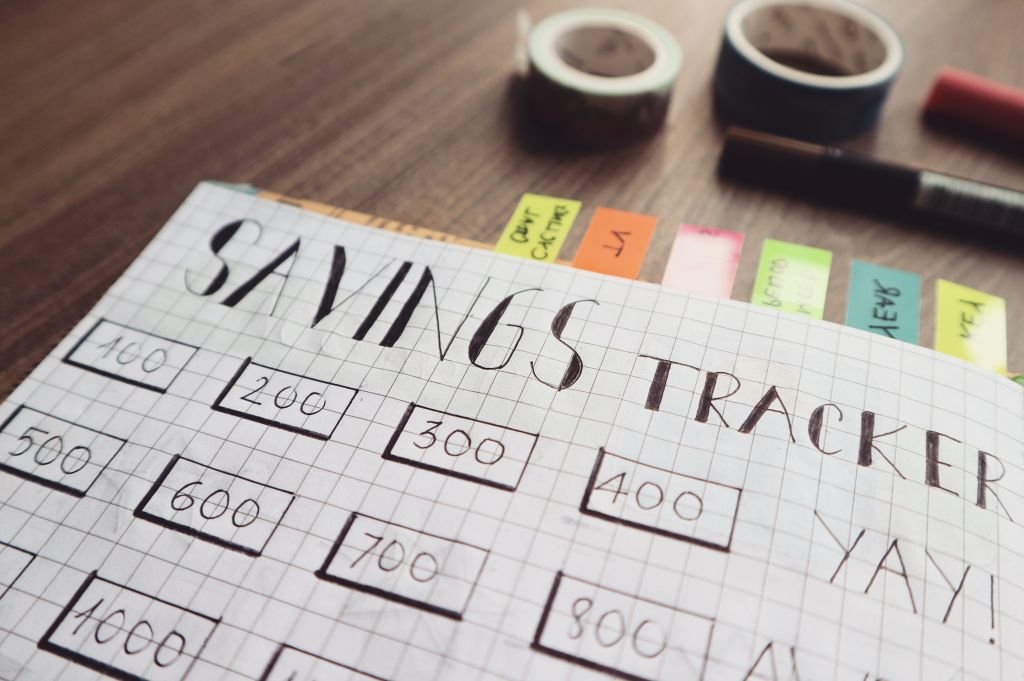
This free no spending challenge template helps you plan a 30-day pause on selected nonessential purchases. It includes space for your rules, exceptions, daily check-ins and weekly money review. You can start on any date rather than waiting for a new calendar month.
The aim is to understand your habits and keep more money for a chosen goal. Continue paying for food, housing, medicine, transport and other necessities. A successful challenge follows realistic rules; it does not require avoiding every payment.
Download the free 30-day no spending challenge template (PDF)
No email signup is required. Print the one-page tracker and use a notebook or your existing budget for transaction details. The PDF is designed for U.S. Letter paper and uses dollar amounts in its weekly review.
What Is a No Spending Challenge?
A no-spend challenge is a temporary limit on discretionary purchases. You decide which categories to pause, how long the experiment lasts and which expenses remain allowed.
Fidelity’s no-spend guidance describes cutting nonessential spending for a set period while continuing critical expenses. It recommends reviewing past spending and deciding what counts as essential before starting. The template below turns that preparation into a daily record.
For example, you might pause food delivery and unplanned home decor while keeping groceries and necessary household supplies. Someone else may choose unused subscriptions and hobby purchases. The rules should match the spending problem you actually want to examine.
This is different from assigning all of your monthly income. Keep your usual budget in place. If you need to establish that first, use our guide to budgeting on a low income to organize your priorities.
How to Use the Free 30-Day Template
1. Write your dates and one goal
Choose a start date and an end date covering 30 days. State what you want to learn or accomplish. “Reduce unplanned online purchases and set aside the money left over” is more useful than “be better with money.”
A goal can be behavioral as well as financial. You might want to identify the times you shop out of boredom or try taking lunch from home. A clear purpose makes it easier to judge whether the experiment helped.
2. Define paused purchases
Choose a manageable set of categories. Instead of writing “nothing fun,” specify the actual purchases: delivered lunches, new cosmetics beyond replacements, extra games or impulse checkout items. The more concrete the rule, the less debate you need at the moment of purchase.
3. Record allowed expenses and exceptions
List necessities, obligations and any planned exceptions. A child’s required school item should not become a failure because your rules were vague. Discuss shared spending with the other people affected before the start date.
4. Mark each day
Use the template’s simple codes: K for keeping the rules, E for an allowed essential or exception, and R for a day to review and reset. Add the date inside each box. A necessary purchase can still fit the plan.
5. Review the money weekly
The four review rows cover days 1-7, 8-14, 15-21 and 22-30. Record a realistic spending baseline, actual spending in the same categories and the difference. The last row covers nine days, so use a matching nine-day comparison rather than a seven-day amount.
Rules That Protect Essentials
Do not use a challenge as a reason to miss bills, skip medication, delay necessary care or leave yourself without adequate food. Make exceptions usable, rather than treating them as loopholes you should be ashamed to use.
| Usually keep in the plan | Possible categories to pause |
|---|---|
| Rent, utilities and required payments | Unplanned decor or gadget upgrades |
| Basic groceries and hygiene supplies | Convenience snacks and delivery orders |
| Necessary transport and health care | Optional rides or entertainment purchases |
| Required school or work expenses | Extra clothes that are not needed now |
These are prompts, not universal judgments. A delivery service may be necessary for a person with limited mobility. A work item may be essential even if someone else considers it optional. Write rules around your circumstances.
Our discussion of saving from each paycheck can help connect a short experiment with a longer-term routine. A temporary challenge should support an affordable plan.
Build a Baseline Before Counting Savings
Look at what you normally spend in the categories you plan to change. The CFPB’s spending assessment guidance recommends reviewing account history and less frequent expenses so your picture is realistic. Do not build the comparison around a shopping trip you were never likely to make.
Use similar time periods and categories on both sides. If your baseline covers takeout, coffee and entertainment, include those same items in actual spending. Do not compare a full month’s total budget with a week of discretionary purchases.
If a birthday or repair makes one week unusual, note that difference. You can learn from the spending record without forcing it into a neat savings number.
A Realistic Weekly Example
Suppose a person’s normal spending for one comparable week is $65 on takeout, $25 on cafe visits and $30 on optional entertainment. The baseline for those categories is $120.
During the challenge, the person spends $15 on a planned exception and buys $20 of additional groceries to replace takeout. When evaluating the result, include the replacement cost rather than ignoring it. The comparison is $120 against $35, leaving an illustrative difference of $85.
That $85 is not automatically a savings-account deposit. Check that it remains available after bills, other expenses and any later catch-up purchases. Record the amount actually set aside or used for your goal in the bottom line of the template.
If the person buys $70 of delayed items immediately afterward, the original $85 difference no longer describes the lasting benefit. A follow-up review catches that rebound. These numbers illustrate a method and are not a promise of typical savings.
Make the Challenge Easier to Follow
Prepare alternatives before the first day. Put simple meals on a list, check what you already own and identify a few free activities you would genuinely enjoy. The goal is to reduce decisions at the time you usually buy something.
- Keep a wish list with the item, price and reason you wanted it.
- Remove shopping notifications that repeatedly interrupt you.
- Plan a free alternative for your usual spending occasion.
- Use a short daily check-in instead of reconstructing the week from memory.
- Ask household members to agree on shared exceptions.
If cash helps you maintain category limits, our guide to cash stuffing explains that separate budgeting method. You can use the tracker with cash, cards or a digital budget; the payment method does not determine whether a purchase follows your rules.
What to Do After an Unplanned Purchase
Record the day honestly and write a short note about the trigger. Were you hungry, rushed, bored or responding to a sale? Did the rules overlook a real need? That information can make the next week more workable.
Do not compensate by skipping essentials or promising a punishment you cannot maintain. Resume at the next decision. If the original rule was unreasonable, revise it transparently and note the date of the change.
The template is a record of an experiment, not a score of your character. A pattern of realistic choices is more useful than a perfect-looking calendar with missing purchases.
Finish With a Review and a Next Step
At day 30, identify one rule worth keeping, one expense you missed and one habit that caused repeated friction. Set a follow-up date to check whether the improvement lasted.
The CFPB’s Your Money, Your Goals toolkit includes separate resources for goals, savings, spending tracking and bill calendars. Those can support the work that continues after this tracker is complete.
If income does not cover necessities, optional spending cuts may have limited room to help. Keep an accurate budget and explore appropriate assistance or qualified guidance rather than treating the challenge as a solution to every shortfall.
Frequently Asked Questions
Is the no spending challenge template free?
Yes. The PDF linked in this article is free to download without an email signup.
Do I have to stop all spending for 30 days?
No. Continue essentials and obligations. Pause only the categories you have chosen, with clearly written exceptions.
Can I start halfway through a month?
Yes. The tracker uses numbered days rather than fixed calendar dates, so it can start whenever you are ready.
Is this a fillable PDF?
It is a printable worksheet intended for handwriting. Use your PDF viewer’s annotation tools if you prefer to add notes digitally.
What if I can only manage seven days?
Start with the first seven boxes and review the result. A shorter, realistic trial can help you design a longer one later.
Get the free 30-day no spending tracker PDF and write your own rules before starting.