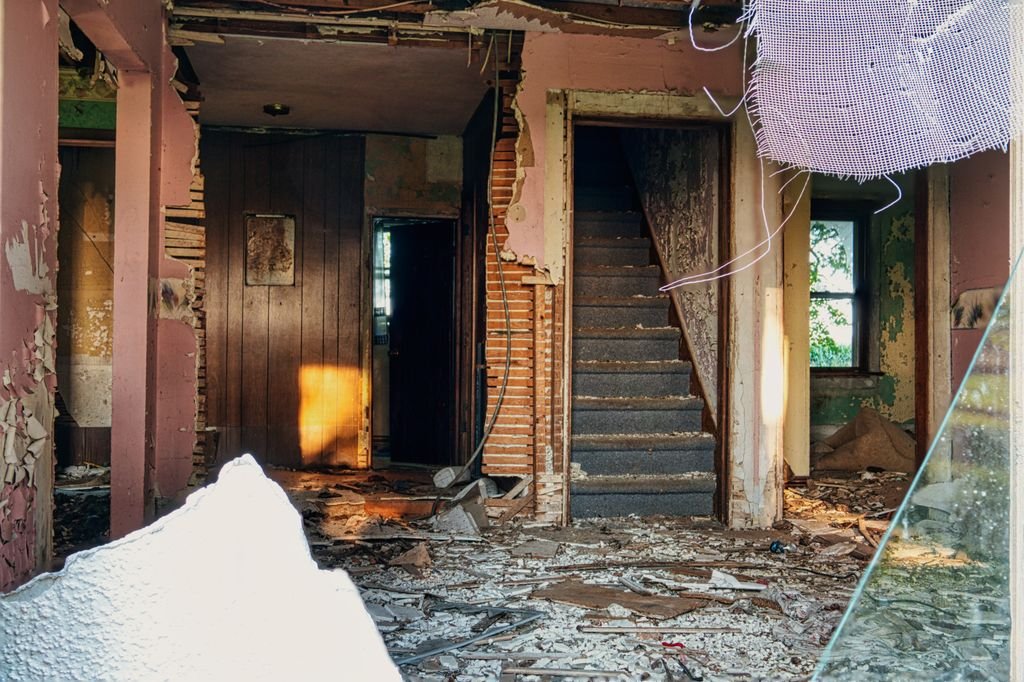
Discovering damage after a tenant moves out can be expensive and frustrating. You may find stained flooring, broken doors, holes in walls, damaged appliances, or destruction far beyond ordinary use.
Does landlord insurance cover tenant damage?
The answer depends on how the damage occurred and what your policy covers. Landlord insurance may cover certain sudden and accidental losses caused by tenants. Some policies also cover vandalism or malicious damage, either automatically or through an endorsement.
However, landlord insurance generally does not pay for normal wear and tear, poor maintenance, gradual deterioration, or every instance of tenant negligence. Damage below the deductible may also produce no insurance payment.
Here is how landlord insurance commonly handles different types of tenant damage and what landlords should do before filing a claim.
Quick Tenant-Damage Coverage Guide
| Type of damage | Usually covered? |
|---|---|
| Tenant accidentally starts a kitchen fire | Often, if fire is a covered peril |
| Tenant accidentally causes sudden water damage | Possibly, depending on the cause |
| Tenant intentionally destroys walls or fixtures | Possibly, if vandalism or malicious damage is covered |
| Carpet gradually becomes worn | No |
| Paint fades from ordinary use | No |
| Tenant’s pet damages flooring | Usually not under standard coverage |
| Appliance stops working because of age | No |
| Tenant steals landlord-owned appliances | Policy-dependent and often restricted |
| Tenant fails to report a gradual leak | Possibly excluded as neglect or repeated leakage |
| Tenant damages personal belongings | Tenant or renters liability coverage may apply |
| Damage costs less than the deductible | No insurer payment |
| Rental income lost during covered repairs | Possibly, if loss-of-rent coverage applies |
These are general outcomes. Your policy language and the facts of the incident determine coverage.
What Types of Tenant Damage May Be Covered?
Landlord insurance protects the insured rental structure against covered causes of loss. Coverage does not depend only on whether a tenant was involved.
The insurer will generally ask:
- What exactly caused the damage?
- Was the event sudden or gradual?
- Was it accidental or intentional?
- Is that cause listed or excluded?
- Did the landlord take reasonable steps to prevent further damage?
- Was the property vacant?
- Does the policy include vandalism or malicious-damage coverage?
- How much will repairs cost?
- What deductible applies?
Potentially covered tenant-related losses can include fire, certain sudden water incidents, accidental structural damage, and vandalism when the policy includes the relevant peril.
Travelers explains that landlord insurance may cover certain sudden and accidental tenant damage, landlord-owned furnishings, covered vandalism, and lost rent while covered repairs are completed. Review Travelers’ tenant-damage guidance.
Accidental Damage Caused by Tenants
Accidental tenant damage is damage the tenant did not intend to cause.
Examples might include:
- A cooking accident starts a fire
- A child accidentally breaks a window
- Furniture damages a wall during a move
- An overflowing bathtub causes sudden water damage
- A tenant accidentally damages a supplied appliance
- A guest breaks a fixture
Whether landlord insurance pays depends on whether the event qualifies as a covered peril.
For example, fire is commonly covered under landlord property insurance. Damage to the kitchen and building caused by an accidental cooking fire may therefore qualify, subject to the deductible and exclusions.
A dented wall caused while moving furniture may not qualify if accidental tenant damage itself is not a covered peril. The landlord may need to seek reimbursement from the tenant or use the security deposit according to applicable law.
“Accidental” does not automatically mean “insured.”
Does Landlord Insurance Cover Malicious Tenant Damage?
Malicious tenant damage is intentional destruction rather than an ordinary accident.
Examples include a tenant deliberately:
- Punching holes in walls
- Destroying cabinets
- Breaking doors
- Smashing windows
- Damaging plumbing fixtures
- Removing installed property
- Spray-painting interior surfaces
- Destroying flooring
- Damaging the property during an eviction
Some landlord policies include vandalism or malicious-damage coverage. Other policies exclude damage intentionally caused by a tenant or require a separate endorsement.
Even when vandalism is covered, the insurer may impose:
- A separate deductible
- A lower coverage limit
- Vacancy restrictions
- Reporting deadlines
- Police-report requirements
- Evidence requirements
- Exclusions for theft or missing property
Do not assume that general vandalism coverage automatically includes every intentional act committed by a tenant. Ask the insurer specifically whether malicious damage by a lawful tenant is included.
Normal Wear and Tear Is Not Tenant Damage Coverage
Landlord insurance generally does not pay for normal wear and tear.
Normal wear is the gradual deterioration expected from reasonable residential use.
Possible examples include:
- Minor carpet wear in high-traffic areas
- Faded paint
- Loose door handles
- Small nail holes
- Aging appliances
- Minor floor scuffs
- Worn weather stripping
- Gradually deteriorating caulk
Insurance protects against covered events; it is not a maintenance plan.
A tenant may not be financially responsible for ordinary wear, but the exact legal distinction between wear and damage varies by state and circumstance.
Document the property’s condition before and after each tenancy. Without good records, proving that damage exceeded normal wear may be difficult.
Tenant Negligence and Gradual Damage
Negligence does not always create insurance coverage.
Suppose a tenant notices a slow leak but does not report it for several months. The leak eventually damages the cabinet, flooring, and subfloor.
The insurer may examine:
- When the leak began
- Whether the water damage was sudden or repeated
- When the tenant and landlord discovered it
- Whether reasonable repairs were made
- Whether the landlord inspected the property
- Whether the policy excludes repeated seepage or neglect
Most property policies distinguish sudden water discharge from long-term leakage. Gradual deterioration, mold, repeated seepage, and failure to protect the property may be excluded.
The landlord may have a claim against the tenant, but that does not guarantee payment under the insurance policy.
Does Landlord Insurance Cover Tenant Pet Damage?
Standard landlord insurance usually does not cover routine damage caused by a tenant’s pet.
Common examples include:
- Urine-stained carpet
- Persistent odors
- Scratched doors
- Chewed baseboards
- Torn flooring
- Scratched hardwood
- Damaged landscaping
- Flea treatment
- Damage to blinds or screens
Pet damage is frequently treated as tenant-caused property damage, maintenance, or gradual deterioration rather than a covered peril.
A landlord may use an authorized security or pet deposit, seek direct reimbursement, or pursue another legal remedy permitted by the lease and state law.
Separate pet-damage endorsements may be available from some insurers, but coverage, limits, and exclusions vary.
The tenant’s renters insurance also generally does not pay when their own pet damages the rented carpet or unit. Our guide explains when renters insurance covers pet damage and when personal liability may apply.
Does Landlord Insurance Cover Theft by a Tenant?
Theft by a tenant can be treated differently from ordinary burglary.
Suppose a tenant removes:
- A refrigerator
- Washer and dryer
- Furnished-rental furniture
- Light fixtures
- Building materials
- Tools
- Electronics supplied with the property
Some policies exclude theft committed by a tenant, lessee, household member, employee, or person to whom the property was entrusted. Others may offer limited protection through an endorsement.
Vandalism coverage does not necessarily include theft.
If property is missing:
- Review the lease and inventory.
- Confirm ownership.
- Photograph the areas from which items were removed.
- File a police report when appropriate.
- Notify the insurer promptly.
- Preserve purchase receipts and serial numbers.
- Do not characterize a civil disagreement as criminal theft without evidence.
The insurer and law enforcement authorities will determine how the facts are classified.
Does Landlord Insurance Cover Tenant-Caused Fire?
Fire is commonly a covered peril under landlord insurance, including when a tenant accidentally causes it.
Potential examples include:
- Unattended cooking
- A candle accident
- Faulty tenant-owned equipment
- Improperly discarded smoking materials
- A heater placed too close to combustible material
Coverage may help repair the insured building and eligible landlord-owned property. Loss-of-rent coverage may also apply if the property becomes uninhabitable.
The tenant’s personal belongings are not normally covered by the landlord’s policy. The tenant would generally need renters insurance for those possessions.
If negligence contributed to the fire, the landlord’s insurer may seek recovery from the responsible party after paying the covered claim. This process is known as subrogation.
Does Landlord Insurance Cover Water Damage Caused by a Tenant?
It may cover sudden water damage resulting from an eligible event, such as:
- An accidentally overflowing bathtub
- A suddenly damaged pipe
- An appliance supply line that unexpectedly bursts
- Accidental discharge from the plumbing system
Coverage is less likely for:
- Long-term leakage
- Repeated seepage
- Failure to maintain the building
- Mold
- Outside flooding
- Sewer backup without an endorsement
- Damage that the landlord knowingly left unrepaired
The cause of the water must be documented. Photographs, plumbing reports, moisture readings, tenant messages, inspection reports, and maintenance records may help establish what happened.
What Does Landlord Insurance Usually Exclude?
Common exclusions or limitations can include:
- Normal wear and tear
- Gradual deterioration
- Rust and corrosion
- Poor maintenance
- Insect or rodent damage
- Mold
- Repeated water leakage
- Intentional acts by an insured
- Tenant theft
- Pet damage
- Earthquakes
- Outside flooding
- Government action
- War and nuclear hazards
- Vacancy-related losses
- Damage below the deductible
Some excluded risks can be insured separately or through endorsements. Others remain the landlord’s responsibility.
Read the policy’s exclusions and conditions rather than relying only on the coverage summary.
Security Deposit vs. Insurance Claim
A security deposit and landlord insurance serve different purposes.
Security deposit
A security deposit may be used for authorized charges such as tenant-caused damage, unpaid obligations, or cleaning beyond normal use, depending on the lease and state law.
Landlord insurance
Landlord insurance covers eligible losses caused by perils included in the policy, subject to its deductible and limits.
A landlord should not automatically collect the full repair amount from the security deposit and also retain a complete insurance payment for the same loss. Insurers may also have subrogation rights against the responsible tenant.
Security-deposit laws vary significantly by state. They may regulate:
- Maximum deposit amounts
- Where the deposit must be held
- Interest requirements
- Permitted deductions
- Itemized statements
- Receipt requirements
- Return deadlines
- Penalties for improper withholding
Follow the law where the property is located. Do not use another state’s rules.
How the Deductible Affects a Tenant-Damage Claim
The deductible is the portion of a covered property loss the landlord must absorb before insurance pays.
Suppose a covered kitchen fire causes $12,000 of damage and the policy has a $2,500 deductible.
A simplified potential payment would be:
$12,000 covered damage − $2,500 deductible = $9,500
Now suppose accidental damage costs $1,400 to repair and the deductible is $2,500.
Even if the cause is covered, the insurer would generally pay nothing because the repair cost is below the deductible.
Before filing a claim, compare:
- Estimated repair cost
- Applicable deductible
- Likelihood that the cause is covered
- Effect on claim history
- Required emergency repairs
- Potential recovery from the tenant
- Security-deposit amount
Do not delay reporting a potentially significant claim merely because the final cost is uncertain. Policies often require prompt notice.
Can Renters Insurance Pay for Damage to the Rental?
Possibly, but only in limited circumstances.
Renters insurance generally does not provide dwelling coverage for the rental building. The landlord needs landlord insurance for the structure.
However, the tenant’s personal liability coverage may sometimes apply if the tenant accidentally damages the landlord’s property and becomes legally responsible.
Examples might include an accidental cooking fire or another sudden negligent act. Important exclusions can apply to property rented to, occupied by, used by, or under the control of the insured tenant.
Renters insurance also usually excludes intentional damage.
The New York Department of Financial Services explains that the building owner’s policy protects the insured structure, while renters insurance protects the tenant’s possessions and provides personal liability coverage. Read the NYDFS homeowners and tenants insurance guide.
The landlord should submit the facts to the appropriate insurers rather than assuming the tenant’s policy will pay.
Can the Insurer Recover Money From the Tenant?
After paying a covered landlord claim, the insurer may pursue the responsible tenant or the tenant’s liability insurer. This is called subrogation.
A landlord should avoid taking actions that could interfere with the insurer’s recovery rights.
Before signing a release, settlement, repayment agreement, or waiver with the tenant:
- Notify the insurance adjuster
- Review the lease
- Preserve evidence
- Avoid admitting fault
- Ask whether the insurer intends to pursue recovery
- Consider legal advice for significant losses
Some leases contain waivers of subrogation. Their validity and effect depend on the wording, policy, and applicable law.
What If Damage Is Found After an Eviction?
Damage discovered after an eviction can be difficult to document because it may be unclear when and how it occurred.
Take these steps:
- Follow the legal eviction and property-entry process.
- Do not enter unlawfully or remove tenant belongings improperly.
- Photograph or record the condition immediately after lawful possession is restored.
- Bring a neutral witness when appropriate.
- Preserve move-in inspection records.
- Obtain independent repair estimates.
- File a police report for apparent vandalism or theft when appropriate.
- Notify the insurer promptly.
- Keep damaged property until the adjuster authorizes disposal.
- Follow state rules for abandoned tenant property.
Landlord-tenant and eviction laws differ by location. Only a court or qualified local professional can determine the parties’ legal rights in a dispute.
How to Document Tenant Damage Properly
Strong documentation begins before the tenant moves in.
Before move-in
- Create a detailed written condition report
- Take dated photographs and video
- Record appliance models and serial numbers
- Document carpet, flooring, walls, doors, and fixtures
- Obtain the tenant’s acknowledgment
- Keep receipts for renovations and replacements
- Confirm renters insurance when required
During the tenancy
- Conduct lawful inspections with proper notice
- Keep maintenance requests
- Record repair dates
- Respond promptly to leaks and hazards
- Communicate important issues in writing
- Retain contractor invoices
After move-out
- Complete the inspection promptly
- Compare the condition with move-in records
- Separate wear from damage
- Photograph every affected area
- Obtain itemized repair estimates
- Preserve damaged materials when possible
- Follow security-deposit deadlines
A simple photograph without a date or comparison record may be less persuasive than a consistent inspection history.
How to File a Landlord Insurance Claim
If tenant-related damage may be covered:
- Prevent additional damage. Make emergency repairs when safe and retain receipts.
- Document the scene. Photograph and record the damage before permanent repairs begin.
- Contact authorities when necessary. Report suspected vandalism, theft, or criminal activity.
- Notify the insurer promptly. Describe the facts without guessing about the cause.
- Review the policy. Check covered perils, exclusions, deductibles, vacancy provisions, and endorsements.
- Gather tenancy records. Provide the lease, inspection reports, correspondence, and payment history when requested.
- Obtain repair estimates. Use qualified contractors and separate damaged items from planned improvements.
- Protect evidence. Do not discard damaged fixtures or appliances before receiving instructions.
- Track lost rent. Preserve the lease and rent records if the property becomes uninhabitable after a covered loss.
- Coordinate recovery efforts. Tell the insurer about the security deposit and any payments received from the tenant.
The adjuster will determine whether the cause is covered and how the settlement will be calculated.
How Landlords Can Reduce Tenant-Damage Risk
Insurance should be one part of a broader risk-management plan.
Consider:
- Screening tenants consistently and lawfully
- Using a detailed written lease
- Completing move-in and move-out inspections
- Requiring prompt reporting of leaks
- Conducting lawful periodic inspections
- Maintaining plumbing, electrical, roofing, and safety systems
- Using durable finishes in rental properties
- Recording supplied appliances
- Requiring renters insurance when legally permitted
- Reviewing pet rules and deposits
- Keeping emergency contact information
- Reviewing coverage annually
- Asking about malicious-damage and vandalism endorsements
Make sure the policy matches the property’s actual occupancy. Our comparison of landlord insurance vs. homeowners insurance explains why an ordinary owner-occupied policy may be inappropriate for a tenant-occupied property.
Frequently Asked Questions
Does landlord insurance cover accidental damage by tenants?
It may cover sudden accidental damage when the cause is insured under the policy. Ordinary accidents are not automatically covered merely because they were unintentional.
Does landlord insurance cover intentional tenant damage?
Some policies cover vandalism or malicious tenant damage, while others exclude it or require an endorsement. Review the exact policy wording.
Does landlord insurance cover carpet damage by tenants?
Usually not when the damage involves wear, stains, odors, pet damage, or gradual deterioration. A sudden covered event such as fire may produce a different result.
Does landlord insurance cover holes in walls?
Small nail holes may be considered normal wear in some circumstances. Large or intentionally created holes may constitute tenant damage, but insurance coverage depends on whether the cause qualifies under the policy.
Does landlord insurance cover damage caused by tenant pets?
Standard landlord insurance generally does not cover routine pet damage. A deposit, tenant reimbursement, or optional pet-damage protection may apply.
Does landlord insurance cover damage after an eviction?
It may cover qualifying vandalism or malicious damage, but eviction itself does not create coverage. The cause, timing, evidence, exclusions, and policy terms matter.
Can landlords charge tenants for accidental damage?
Tenants may be financially responsible for damage they or their guests cause beyond normal wear. The lease and applicable state law determine what the landlord may charge and how deposits can be used.
Should I file a claim or use the security deposit?
Compare the covered repair amount with the deductible and security deposit. For substantial damage, notify the insurer promptly and explain any deposit funds or tenant payments received.
Does landlord insurance cover unpaid rent?
Not ordinary nonpayment. Loss-of-rent coverage generally applies when a covered property loss makes the rental uninhabitable, not when a tenant simply fails to pay.
Final Thoughts
Does landlord insurance cover tenant damage? Sometimes—but not every type.
A landlord policy may cover sudden damage caused by an insured event, such as an accidental fire or certain water losses. Vandalism or malicious tenant damage may also be covered when included in the policy.
Normal wear, gradual deterioration, pet damage, poor maintenance, and routine repairs are generally not covered. Tenant theft and intentional damage can also be restricted.
Before renting the property, confirm that the policy covers the building’s actual occupancy and ask specifically about accidental tenant damage, malicious damage, vandalism, theft, loss of rent, and vacancy.
Thorough inspections, dated photographs, maintenance records, a clear lease, and prompt claim reporting can make a substantial difference when damage occurs.
This article provides general educational information and does not constitute individualized insurance or legal advice. Coverage and landlord-tenant rules vary by policy, insurer, state, lease, and circumstances.