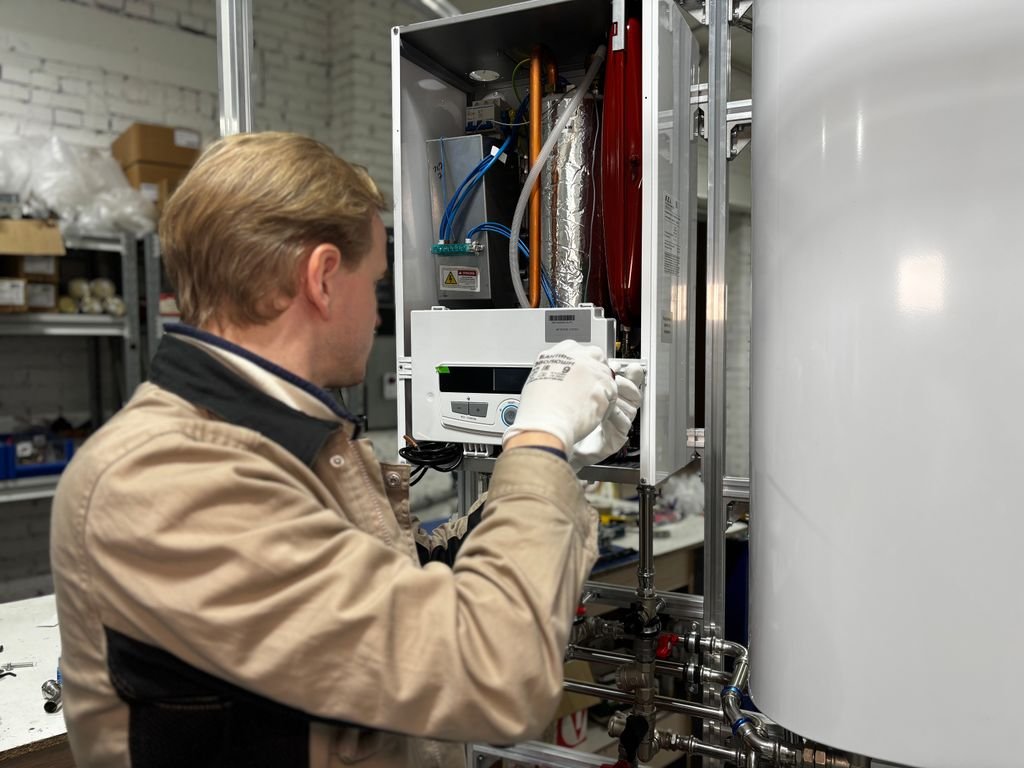
A failed water heater can create two separate expenses: replacing the unit and repairing the water damage it causes.
Does homeowners insurance cover a water heater?
It may cover the water heater when a covered peril—such as fire, lightning, vandalism, or another insured event—damages it. Homeowners insurance may also cover resulting damage to floors, walls, cabinets, and personal belongings when a properly maintained water heater suddenly and accidentally bursts or leaks.
However, the policy generally will not pay to repair or replace a water heater that fails because of age, rust, corrosion, ordinary wear and tear, poor maintenance, or an internal mechanical problem.
This distinction between the failed water heater and the resulting water damage is central to understanding a potential claim.
Quick Water-Heater Coverage Guide
| Incident | Usually covered? |
|---|---|
| A properly maintained tank suddenly bursts | Resulting damage may be covered |
| Water damages flooring and drywall | Often, if the release was sudden and accidental |
| An old tank rusts through gradually | Water heater usually not covered |
| Known leak continues for several months | Usually not covered |
| Fire damages the water heater | Often covered |
| Lightning damages electrical components | Often covered |
| Water heater stops working because of age | No |
| Internal mechanical failure | Usually no |
| Floodwater damages the water heater | Not under standard homeowners insurance |
| Earthquake damages the tank or connections | Not without appropriate coverage |
| Mold develops after a long-term leak | Usually excluded or limited |
| Equipment-breakdown endorsement applies | Possibly |
| Home warranty covers the failure | Possibly, subject to its contract |
Coverage depends on the policy, cause of loss, maintenance history, deductible, and claim documentation.
When Does Homeowners Insurance Cover a Water Heater?
A permanently installed water heater is generally considered part of the house. It is normally addressed under dwelling coverage when a covered event directly damages it.
Potentially covered perils may include:
- Fire
- Smoke
- Lightning
- Explosion
- Vandalism
- Theft
- Falling objects
- Windstorm
- Hail
- Weight of ice or snow
- Impact from a vehicle
- Certain sudden electrical events
For example, if a covered house fire damages a gas water heater, dwelling coverage may help pay to repair or replace it, subject to the policy limit and deductible.
Kin explains that built-in water heaters may be covered when damaged by a peril included in the policy. A water heater located in a detached garage may fall under other-structures coverage instead. Review Kin’s water-heater insurance guide.
Water Heater Damage vs. Resulting Water Damage
Homeowners insurance can treat the failed equipment and resulting damage differently.
Suppose an aging water heater develops an internal defect and suddenly releases water across the utility room.
The policy might exclude the cost of replacing the defective water heater but cover eligible sudden water damage to:
- Drywall
- Flooring
- Cabinets
- Insulation
- Electrical components
- Furniture
- Clothing
- Other personal belongings
This is sometimes described as covering the resulting damage but not the source of the loss.
For example:
- Replacement water heater: $2,500
- Covered floor and drywall repairs: $12,000
- Deductible: $2,000
If the water heater itself is excluded but the resulting damage is covered, a simplified potential payment would be:
$12,000 covered resulting damage − $2,000 deductible = $10,000
The homeowner would still pay the $2,500 water-heater replacement cost.
The actual outcome depends on the policy and cause of failure.
Does Homeowners Insurance Cover a Burst Water Heater?
A sudden tank rupture may result in a covered claim when:
- The heater was reasonably maintained
- The failure was unexpected
- Water was released suddenly
- The homeowner acted promptly
- No exclusion applies
Coverage may help pay for:
- Water extraction
- Drying
- Removal of damaged materials
- Floor repair
- Drywall replacement
- Cabinet repair
- Eligible personal property
- Debris removal
- Temporary living expenses when applicable
The insurer may still exclude the deteriorated tank that caused the release.
A plumber’s diagnosis can be important. The report should explain whether the tank failed suddenly or had been leaking and corroding over time.
Does Homeowners Insurance Cover a Leaking Water Heater?
It depends on the duration and cause of the leak.
Sudden leak
A sudden, accidental leak from a supply connection, valve, or tank may qualify for resulting water-damage coverage.
Gradual leak
A slow leak that continues for weeks or months is generally excluded.
Signs of a gradual leak may include:
- Rust around the tank
- Corroded fittings
- Repeated moisture
- Stained walls
- Soft flooring
- Mold growth
- Mineral deposits
- A consistently wet drain pan
- Previous repair recommendations
Homeowners insurance is not intended to pay for predictable damage that could have been prevented through maintenance or timely repairs.
Progressive states that water damage from a suddenly malfunctioning appliance may be covered, while leaks caused by wear, deterioration, or lack of maintenance generally are not. See Progressive’s plumbing coverage explanation.
Does Homeowners Insurance Cover Water Heater Replacement?
The insurer may pay to replace the water heater when a covered peril directly destroys it.
Examples could include:
- Fire damages the tank and controls
- Lightning damages an electric unit
- Vandalism destroys the equipment
- A covered falling object damages the unit
- An explosion damages the heater
Replacement is generally not covered when the unit fails because of:
- Old age
- Rust
- Corrosion
- Sediment buildup
- Normal wear
- Poor maintenance
- Manufacturer defect
- Improper installation
- Ordinary mechanical failure
The fact that replacement is less expensive than repair does not create coverage when the cause itself is excluded.
Gas vs. Electric Water Heaters
The same cause-of-loss principle generally applies to gas and electric water heaters.
Gas water heater
Potential damage may involve:
- Burner
- Gas valve
- Venting
- Pilot assembly
- Flue
- Tank
- Connections
Homeowners insurance may cover direct damage from a covered fire or another insured event. It generally will not pay for ordinary burner failure, corrosion, or maintenance.
Gas leaks and carbon-monoxide risks require immediate professional attention. Leave the area and contact emergency or utility services when necessary.
Electric water heater
Potential damage may involve:
- Heating elements
- Thermostats
- Wiring
- Circuitry
- Tank
- Electrical connections
A covered lightning event may qualify, while an ordinary failed heating element generally will not.
Do not attempt unsafe electrical or gas repairs while trying to preserve evidence for a claim.
Does Insurance Cover a Tankless Water Heater?
A permanently installed tankless water heater is generally treated as part of the dwelling.
It may be covered when damaged by a covered peril such as:
- Fire
- Lightning
- Vandalism
- A covered falling object
- Certain sudden electrical events
It generally will not be covered for:
- Scale buildup
- Corrosion
- Clogged components
- Lack of flushing
- Worn parts
- Manufacturer defects
- Ordinary mechanical failure
- Improper installation
Although tankless systems do not store a large tank of water, a failed supply line or internal leak can still cause significant damage.
Fire, Lightning, and Electrical Damage
Fire
A covered fire may damage both the water heater and surrounding property. Coverage could extend to repair or replacement of the equipment and resulting structural damage.
Lightning
Direct lightning damage to an electric or tankless water heater may qualify under standard dwelling coverage.
Power surge
Damage from a power surge is more policy-dependent. Some policies cover certain sudden electrical events, while others exclude artificially generated electrical current or internal equipment failure.
Optional equipment-breakdown coverage may provide additional protection.
A technician should identify whether the cause was:
- Lightning
- Utility surge
- Internal short circuit
- Defective component
- Improper wiring
- Age-related failure
Does Homeowners Insurance Cover Mold From a Water-Heater Leak?
Mold coverage is frequently limited or excluded.
Coverage may depend on whether:
- A covered sudden event caused the moisture.
- The mold was discovered promptly.
- The homeowner took reasonable steps to dry and protect the property.
- The policy contains mold or fungi coverage.
- The cost remains within any applicable sublimit.
Mold caused by a long-term water-heater leak, repeated moisture, or neglected repairs is unlikely to be covered.
If a tank bursts:
- Stop the water when safe
- Contact emergency restoration services
- Begin drying promptly
- Photograph affected areas
- Keep moisture readings and invoices
- Notify the insurer
Waiting several days can increase damage and complicate coverage.
Dwelling Coverage and Personal Property Coverage
A water-heater claim can involve multiple sections of the policy.
Dwelling coverage
This may cover eligible damage to:
- Floors
- Walls
- Built-in cabinets
- Insulation
- Permanently installed wiring
- Structural components
- Built-in water heater
Other structures coverage
A water heater installed in a detached garage or other covered structure may fall under other-structures coverage.
Personal property coverage
This may cover eligible damage to:
- Furniture
- Electronics
- Clothing
- Rugs
- Stored belongings
- Portable appliances
Personal property may be settled at actual cash value or replacement cost, depending on the policy.
Additional Living Expenses
If a covered water-heater loss makes the home uninhabitable, additional living expenses may help pay reasonable increases in living costs.
Potential expenses include:
- Hotel or temporary rental
- Additional meal costs
- Laundry
- Pet boarding
- Storage
- Additional transportation
Coverage generally requires a covered loss. A broken water heater that merely leaves the home without hot water may not automatically qualify.
Benefits are subject to limits, time periods, receipts, and the insurer’s determination of habitability.
How the Deductible Affects a Claim
A deductible applies before the insurer pays a covered property claim.
Suppose a sudden covered tank rupture causes:
- Structural water damage: $8,500
- Personal property damage: $2,000
- Total covered damage: $10,500
- Deductible: $2,500
A simplified potential payment would be:
$10,500 covered damage − $2,500 deductible = $8,000
Now suppose a leak causes only $1,200 of covered damage and the deductible is $2,500. The insurer would generally pay nothing.
Confirm whether the same deductible applies to dwelling and personal property damaged in one occurrence.
What Is Equipment-Breakdown Coverage?
Equipment-breakdown coverage is an optional homeowners endorsement that may protect certain systems against sudden mechanical, electrical, or pressure-related breakdown.
Eligible equipment may include:
- Water heaters
- Boilers
- HVAC systems
- Appliances
- Electrical panels
- Home technology
It may cover some failures excluded by the standard policy, but generally not:
- Wear and tear
- Rust
- Corrosion
- Gradual deterioration
- Poor maintenance
- Known defects
- Cosmetic damage
- Manufacturer recalls
Progressive identifies water heaters among the home systems that may qualify under certain equipment-breakdown endorsements. Review Progressive’s equipment-breakdown guide.
Coverage limits and deductibles can differ from the main homeowners policy.
Homeowners Insurance vs. Home Warranty
A home warranty and homeowners insurance address different risks.
| Feature | Homeowners insurance | Home warranty |
|---|---|---|
| Covered fire damages water heater | Potentially covered | Generally not its main purpose |
| Sudden covered water damage | Potentially covered | Generally limited |
| Ordinary mechanical failure | Usually excluded | May be covered |
| Wear from everyday use | Excluded | May be covered under the contract |
| Poor maintenance | Excluded | Commonly excluded |
| Payment by homeowner | Insurance deductible | Service-call fee |
| Building and belongings | Yes, for covered events | No |
| Specific appliances and systems | Only for covered causes | Listed contract items |
A home warranty may cover an eligible failed water heater, but contracts can impose:
- Coverage caps
- Service fees
- Waiting periods
- Maintenance requirements
- Pre-existing-condition exclusions
- Approved contractor requirements
- Repair rather than replacement
- Limits on modifications and code upgrades
Home warranty coverage should not be assumed without reading the service contract.
What If the New Water Heater Requires Code Upgrades?
Replacing an older unit may require:
- Updated venting
- Expansion tank
- Drain pan
- Seismic straps
- Electrical changes
- Gas-line modifications
- New shutoff valves
- Permit fees
- Platform modifications
Standard coverage may pay only to restore comparable equipment. Ordinance or law coverage may help with eligible additional expenses required by current codes.
Ask the adjuster whether the claim includes:
- Permit costs
- Code-required components
- Demolition
- Electrical upgrades
- Plumbing modifications
- Replacement of incompatible connections
Code requirements vary by locality.
Should You File a Water-Heater Claim?
Before filing, consider:
- What caused the failure
- Whether the damage was sudden
- Extent of structural damage
- Personal property losses
- Mold risk
- Applicable deductible
- Technician’s diagnosis
- Maintenance records
- Previous claims
- Whether emergency restoration is necessary
A $1,800 water-heater replacement with no resulting damage and a $2,500 deductible is unlikely to produce an insurance payment.
A sudden tank rupture causing $25,000 of covered structural damage presents a very different situation.
Do not delay emergency mitigation while determining coverage. Take reasonable steps to prevent additional damage and save every receipt.
How to File a Water-Heater Damage Claim
- Shut off the water. Use the supply valve or main shutoff when safe.
- Turn off power or gas safely. Contact a qualified professional when necessary.
- Photograph the damage. Record the tank, connections, water path, floors, walls, and belongings.
- Contact a plumber. Request a written diagnosis explaining the cause and estimated duration of the problem.
- Begin water removal. Use qualified restoration services for significant flooding.
- Notify the insurer promptly. Report what happened without speculating.
- Preserve evidence. Do not discard the failed unit or parts before receiving instructions.
- Create a damaged-property inventory. Include photographs, receipts, brands, and replacement prices.
- Save maintenance records. Provide installation and service documents when requested.
- Track temporary expenses. Keep receipts if the home becomes uninhabitable.
Separate emergency mitigation from permanent repairs so the insurer can inspect the loss.
Water-Heater Maintenance Checklist
Preventive maintenance can reduce water damage and support future claim documentation.
Consider:
- Inspecting the tank and connections regularly
- Watching for rust or corrosion
- Checking the drain pan
- Testing the shutoff valve
- Learning the location of the main water shutoff
- Following manufacturer flushing instructions
- Checking the pressure-relief valve
- Replacing damaged supply lines
- Monitoring unusual sounds
- Investigating moisture promptly
- Installing a leak detector
- Considering an automatic shutoff device
- Keeping installation and service records
- Using licensed professionals when required
Contact a qualified plumber for advice appropriate to your equipment.
Frequently Asked Questions
Does homeowners insurance cover a leaking water heater?
It may cover resulting damage when the leak is sudden and accidental. A gradual leak caused by corrosion, wear, or neglected maintenance is usually excluded.
Will homeowners insurance replace an old water heater?
No. Insurance generally does not replace a water heater simply because it is old or worn out. Coverage may apply if a covered peril directly destroys it.
Does homeowners insurance cover water damage from a burst water heater?
Often, if the burst was sudden, accidental, and not caused by known deterioration or poor maintenance. The failed tank itself may still be excluded.
Does homeowners insurance cover a tankless water heater?
A permanently installed tankless unit may be covered when damaged by a covered peril. Scale buildup, wear, corrosion, and ordinary breakdown are generally excluded.
Does homeowners insurance cover mold from a water heater?
Mold coverage may be limited when it results directly from a covered sudden event and is addressed promptly. Mold from a long-term leak is generally excluded.
Does homeowners insurance cover water-heater installation?
Routine installation or replacement is not covered. Necessary installation costs may be included when insurance pays to replace a unit damaged by a covered peril.
Does equipment-breakdown insurance cover a water heater?
It may cover certain sudden mechanical, electrical, or pressure-system failures, subject to its exclusions, deductible, and limit.
Is a home warranty better for an old water heater?
A home warranty may cover certain mechanical failures, but age limits, pre-existing conditions, maintenance requirements, service fees, and coverage caps can apply.
Final Thoughts
Does homeowners insurance cover water-heater damage or replacement? The cause makes the difference.
If fire, lightning, vandalism, or another covered peril damages the unit, dwelling coverage may help repair or replace it. If a properly maintained tank suddenly bursts, insurance may cover the resulting damage to floors, walls, cabinets, and belongings.
However, an old, rusted, corroded, or poorly maintained water heater is generally the homeowner’s responsibility. Standard insurance normally does not function as a maintenance plan or extended warranty.
Document the failure, stop further water damage, obtain a plumber’s written diagnosis, and compare the covered repair estimate with your deductible before deciding how to proceed.
This article provides general educational information and does not constitute individualized insurance, financial, legal, plumbing, warranty, or home-safety advice. Coverage varies by policy, insurer, state, equipment, maintenance history, and cause of loss.