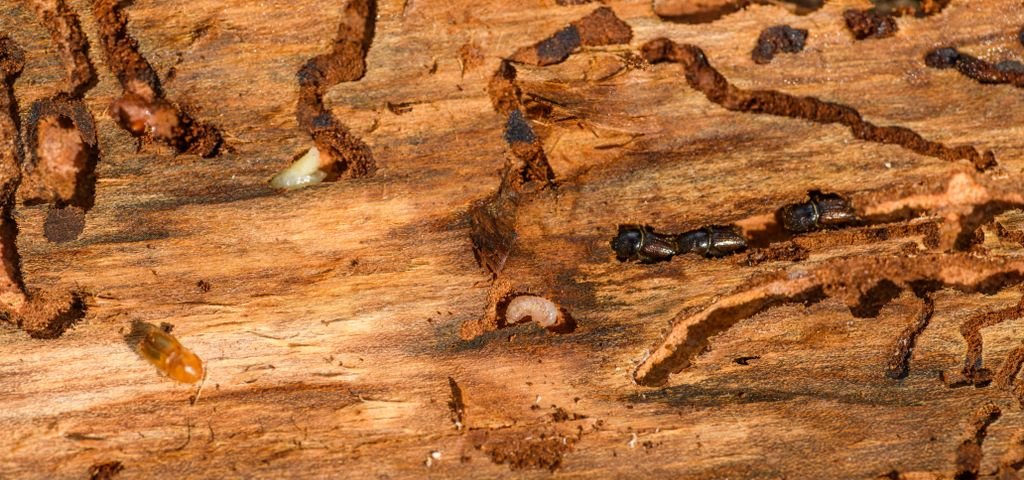
Termites can remain hidden inside walls, flooring, support beams, and other wooden components for years. By the time a homeowner notices hollow wood, mud tubes, sagging floors, or damaged trim, the infestation may already require extensive treatment and structural repair.
So, does homeowners insurance cover termite damage? Usually, it does not. Standard homeowners insurance generally excludes termite treatment and the damage termites cause because an infestation develops gradually and is considered preventable through inspection and maintenance.
However, limited coverage may apply when termite activity causes a separate event covered by the policy. For example, if termites damage electrical wiring and the wiring starts a fire, the resulting fire damage may be covered even though eliminating the termites and repairing the original insect damage remain excluded.
The outcome depends on the cause of the loss, the wording of the policy, and any endorsements or additional coverage the homeowner purchased.
Why Homeowners Insurance Usually Excludes Termite Damage
Homeowners insurance is primarily designed to protect a home against sudden and accidental losses. Common examples include fire, windstorms, theft, vandalism, and certain types of water damage.
A termite infestation normally develops over an extended period. Insurers generally consider termite prevention, inspection, and treatment part of the homeowner’s responsibility.
Allstate states that most homeowners policies do not cover termite removal or termite damage because preventing an infestation is considered routine home maintenance. Its termite insurance guidance also explains that a separate covered event caused by termites may receive different treatment.
Common reasons for excluding termite damage include:
- Infestations develop gradually
- Regular inspections may identify warning signs
- Moisture and wood-to-soil contact can often be corrected
- Treatment is considered property maintenance
- Existing damage may predate the insurance policy
- The exact starting date of an infestation can be difficult to establish
Insurance is therefore unlikely to pay simply because termites were discovered inside the house.
What Termite-Related Costs Are Usually Not Covered?
A standard homeowners policy typically will not pay for the following expenses.
| Termite-related expense | Usually covered? |
|---|---|
| Termite inspection | No |
| Pest-control treatment | No |
| Bait stations or chemical barriers | No |
| Preventive treatment | No |
| Repairing gradually damaged wood | No |
| Replacing termite-damaged flooring | No |
| Repairing damaged support beams | Usually no |
| Replacing damaged cabinets or trim | Usually no |
| Temporary accommodation during routine treatment | Usually no |
| Repairing a separate covered fire caused by damaged wiring | Possibly |
Exact results depend on the policy and circumstances. A homeowners policy may contain special provisions or endorsements that change the general answer.
When Could Termite-Related Damage Be Covered?
Although direct termite damage is normally excluded, there are a few situations in which some related damage may qualify for coverage.
Termites Cause a Fire
Termites may damage electrical wiring hidden inside a wall. If the damaged wiring later causes a fire, homeowners insurance may cover damage caused by the fire because fire is generally a covered peril.
The insurer may pay for covered fire damage to walls, flooring, furniture, or other parts of the house. It may still refuse to pay for:
- Termite extermination
- Preventive pest treatment
- Wood damaged before the fire
- Repairs related solely to the infestation
The covered fire and the excluded termite damage may be separated within the same claim.
A Covered Event Damages a Termite-Infested Area
Suppose a windstorm damages a wall, and contractors discover termites while repairing it. The policy may pay for the direct wind damage but not for preexisting termite deterioration.
Discovery during a covered repair does not automatically make the infestation covered. The insurer may ask contractors or inspectors to distinguish storm damage from older insect damage.
Limited Collapse Coverage
Some homeowners policies contain limited additional coverage for an abrupt collapse caused by hidden decay or hidden insect damage that the insured did not know about before the collapse.
This provision is highly dependent on the policy’s definition of “collapse.” Cracks, sagging, settling, and gradual structural weakness may not qualify as an actual collapse.
Homeowners should not assume this exception applies. Review the collapse section of the policy and ask the insurer whether hidden insect damage is included.
A Specific Endorsement Provides Protection
Standard homeowners insurance rarely includes routine termite protection. However, some insurers or specialty providers may offer endorsements, service plans, or separate products addressing certain pest-related expenses.
Availability varies substantially. Before purchasing additional protection, confirm:
- Which insects are covered
- Whether treatment is included
- Whether structural repair is included
- The maximum payment
- Waiting periods
- Inspection requirements
- Exclusions for existing infestations
- Renewal and inspection fees
Does Insurance Cover Termite Damage to a Foundation?
Termites do not eat concrete, but they can travel through small cracks and openings to reach wooden structural components above or beside a foundation.
They may damage:
- Sill plates
- Floor joists
- Support beams
- Wall framing
- Subflooring
- Wooden posts
- Trim surrounding foundation areas
Homeowners insurance generally will not cover this damage when it results directly from a gradual infestation.
If the home has foundation cracking or movement unrelated to termites, coverage still depends on its cause. Settling, soil movement, poor construction, and gradual deterioration are commonly excluded. Read our guide explaining when insurance may cover foundation repair caused by a covered event.
A structural engineer or qualified contractor may be needed to determine whether damage involves the concrete foundation, the wooden framing, or both.
What Are the Warning Signs of Termite Damage?
Termites are not always visible, but several warning signs may justify a professional inspection.
Mud Tubes
Subterranean termites may construct narrow mud tubes along foundations, walls, crawl-space supports, or other surfaces. These tubes allow them to travel while retaining moisture.
Discarded Wings
Termite swarmers may leave small wings near windows, doors, light sources, or exterior entry points.
Hollow or Damaged Wood
Wood may sound hollow when tapped or break easily when pressed. Painted surfaces may hide damage beneath them.
Swollen or Uneven Flooring
Termite activity or associated moisture may contribute to warped floors, loose boards, or areas that feel unusually soft.
Small Holes or Droppings
Drywood termites may create small openings and leave pellet-like droppings, sometimes called frass.
Doors and Windows Becoming Difficult to Use
Moisture and damaged wood can cause frames to change shape, making doors or windows difficult to open.
Sagging or Cracked Interior Surfaces
Serious hidden structural damage may affect ceilings, walls, floors, and framing. These symptoms can also have other causes, so they require professional evaluation.
The Environmental Protection Agency provides additional information on identifying and controlling termites.
What Should You Do After Discovering Termites?
Finding termites does not automatically justify filing an insurance claim. First determine the extent, cause, and timing of the damage.
1. Document What You Found
Take photographs and videos before treatment or demolition begins.
Record:
- Visible insects
- Mud tubes
- Damaged wood
- Droppings or discarded wings
- Affected rooms
- Moisture or plumbing problems
- Dates when warning signs first appeared
Do not disturb large areas of suspected structural damage until a qualified professional evaluates the property.
2. Arrange a Professional Inspection
Contact a properly licensed pest-control professional where licensing is required.
The inspection should identify:
- The termite species, if possible
- Active and inactive areas
- Likely entry points
- Conditions attracting termites
- Recommended treatment
- Visible structural damage
- Areas requiring further investigation
Termite inspectors do not necessarily determine whether a building is structurally safe. Serious damage may also require a structural engineer or qualified building contractor.
3. Review Your Insurance Policy
Look for provisions addressing:
- Insects or vermin
- Wear and tear
- Deterioration
- Maintenance
- Collapse
- Ensuing or resulting loss
- Dwelling coverage
- Other structures
- Additional living expenses
- Duties after a loss
A policy exclusion may apply directly to damage caused by insects. Coverage for a resulting fire or another separate event may appear in a different section.
4. Contact the Insurer When a Covered Event May Be Involved
Consider contacting the insurance company promptly if termites appear to have caused a separate covered loss, such as a fire or qualifying structural collapse.
Describe what happened accurately without guessing. The insurer may send an adjuster and request reports from inspectors, electricians, engineers, or contractors.
5. Prevent the Damage From Getting Worse
Follow reasonable professional advice to control an active infestation and protect the structure.
Keep:
- Inspection reports
- Treatment proposals
- Repair estimates
- Photographs
- Contracts
- Receipts
- Warranty documents
- Communications with the insurer
Do not discard damaged materials involved in a potential claim until the insurer has had a reasonable opportunity to inspect them.
Should You File a Homeowners Insurance Claim?
Filing a claim for routine termite treatment or direct infestation damage will usually be unsuccessful because those expenses are commonly excluded.
A claim may be worth discussing with the insurer when:
- Termites caused a separate fire
- There was an abrupt structural collapse
- A covered event and termite damage occurred together
- The policy contains a relevant endorsement
- The cause of damage remains uncertain
Before filing, consider:
- Whether the event is potentially covered
- The repair estimate
- Your deductible
- Available inspection evidence
- Whether damage existed before the policy began
- Whether another party or warranty may be responsible
Avoid changing the facts to make a loss appear sudden. Insurance claims should accurately describe when the problem was discovered and what professionals believe caused it.
What Is a Termite Bond?
A termite bond is a service agreement between a homeowner and a pest-control company. It is not the same as homeowners insurance.
Depending on the contract, a termite bond may include:
- Initial inspection
- Treatment
- Periodic reinspection
- Retreatment if termites return
- Limited repair coverage
- Transfer to a future homeowner
Not every termite bond pays for structural damage. Some agreements provide treatment and retreatment only.
Before purchasing or renewing a termite bond, ask:
- Does it cover repair costs?
- What is the repair limit?
- Are existing infestations excluded?
- Which termite species are covered?
- How often are inspections required?
- Is there an annual renewal fee?
- Is the bond transferable after selling the home?
- What conditions could void the agreement?
The EPA advises homeowners to understand what a pest-control guarantee covers, whether annual inspections cost extra, and whether the company accepts responsibility for structural damage if treatment fails. See its guidance on selecting a pest-control service.
Who May Be Responsible Besides the Homeowner?
Insurance is not always the only possible source of financial recovery.
Pest-Control Company
A pest-control company may be responsible when it fails to perform contracted treatment or inspections correctly. Responsibility depends on the service agreement, warranty, evidence, and applicable law.
Previous Owner
A previous owner may potentially be responsible if required disclosures were intentionally false or material known damage was concealed. Real-estate disclosure laws vary by state, so legal advice may be needed.
Home Inspector
A home inspector could potentially face a claim if the inspector failed to identify readily observable evidence within the agreed scope of inspection. Inspection contracts commonly contain limitations.
Builder or Contractor
Construction defects that allow termite entry may fall under a builder’s warranty or contractor responsibility. Homeowners insurance normally does not function as a construction warranty.
Homeowners Association
An HOA may be responsible for certain common structural components in a condominium or planned community. Responsibility depends on governing documents, state law, and whether the affected area belongs to the unit owner or association.
How to Reduce the Risk of Termite Damage
Homeowners cannot prevent every infestation, but they can reduce common risk factors.
Reduce Moisture
Repair plumbing leaks and address drainage problems promptly. Termites are often attracted to damp conditions.
Direct Water Away From the Foundation
Keep gutters clear and direct downspouts away from the house. Correct areas where water repeatedly collects near the foundation.
Limit Wood-to-Soil Contact
Where practical, avoid allowing wooden structural elements, firewood, lumber, or debris to remain in direct contact with soil beside the home.
Store Firewood Away From the House
Keep firewood elevated and separated from exterior walls. Avoid bringing visibly infested wood indoors.
Maintain Access for Inspection
Do not permanently block access to crawl spaces, foundation walls, plumbing areas, and other locations that require inspection.
Seal Appropriate Openings
Repair cracks and gaps that may provide entry points, using methods appropriate for the building and local conditions.
Schedule Inspections
Inspection frequency depends on location, construction type, termite pressure, previous activity, and warranty requirements.
A professional inspection is particularly useful before:
- Purchasing a home
- Completing a major renovation
- Renewing a termite bond
- Selling the property
- Repairing unexplained structural damage
Frequently Asked Questions
Does homeowners insurance cover termite treatment?
Usually not. Inspection, extermination, bait systems, chemical barriers, and preventive treatment are generally considered the homeowner’s maintenance responsibility.
Does homeowners insurance cover structural damage from termites?
Usually not when the damage results directly from a gradual infestation. Limited coverage may exist if termites cause a separate covered peril or if a specific collapse provision applies.
Does homeowners insurance cover a termite-damaged floor?
A standard policy usually will not pay to replace flooring damaged gradually by termites. Coverage may be different if a separate covered event damages the floor.
Does homeowners insurance cover termites in a newly purchased house?
Coverage generally does not apply merely because the infestation was unknown when the house was purchased. A termite bond, seller disclosure claim, inspection agreement, or builder’s warranty may be more relevant.
Can termite damage cause an insurance-covered fire?
Potentially. If termites damage wiring and a fire occurs, the resulting fire damage may be covered because fire is commonly an insured peril. Termite removal and preexisting insect damage may remain excluded.
Will homeowners insurance pay for a hotel during termite treatment?
Usually not. Additional living expense coverage normally requires the home to become uninhabitable because of a covered loss. Routine termite treatment is generally not a covered loss.
Does a home warranty cover termites?
Most general home warranties focus on appliances and mechanical systems and commonly exclude pest infestations. Some companies sell separate pest-control plans or termite warranties. Review the contract carefully.
Is termite damage tax deductible?
Tax treatment depends on how the property is used, the nature of the expense, current tax law, and the homeowner’s circumstances. Consult an appropriately qualified tax professional rather than assuming the expense is deductible.
Final Thoughts
Homeowners insurance usually does not cover termite damage, inspections, or extermination. Infestations develop gradually and are generally treated as preventable maintenance rather than sudden accidental losses.
A limited exception may apply when termites cause a separate covered event, such as an electrical fire. Certain policies may also contain narrow collapse provisions involving hidden insect damage, but the definitions and requirements vary.
Document the damage, arrange a professional inspection, review the policy, and identify whether a termite bond, warranty, contractor, previous owner, or other party may be responsible. Most importantly, address an active infestation promptly so that excluded damage does not continue to spread.
This article is for general educational purposes only and does not constitute individualized insurance, legal, tax, pest-control, structural-engineering, or real-estate advice. Coverage varies by policy, endorsement, insurer, state, and the facts of each loss.