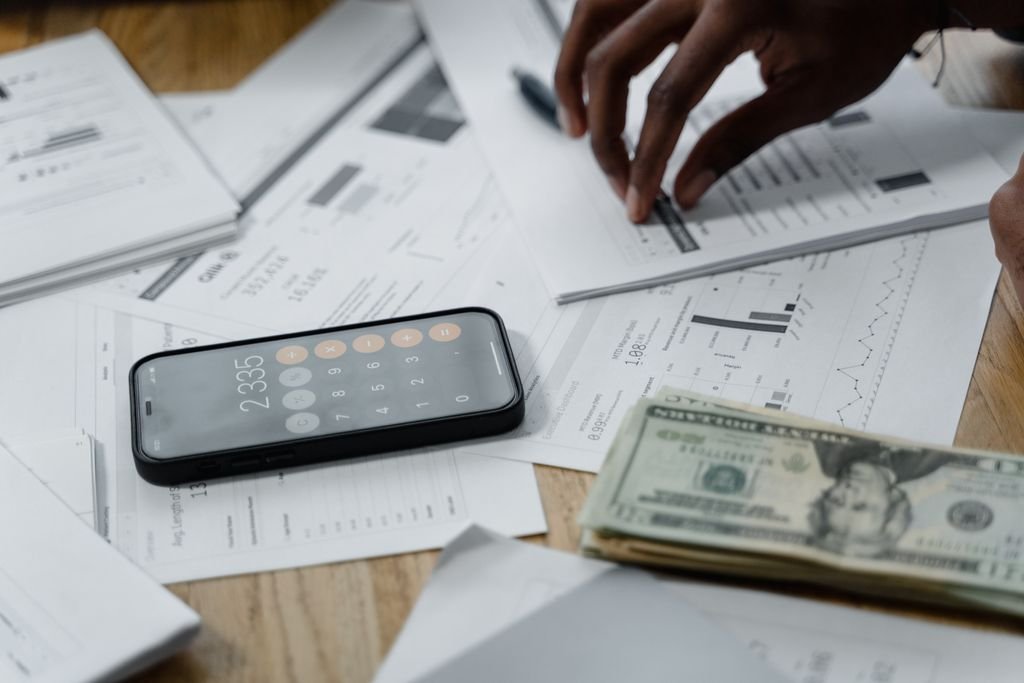
If you want to know how to avoid bank fees, begin with three steps: read your account’s current fee schedule, identify the actions that trigger each charge, and decide whether changing your habits or changing accounts is easier.
Many monthly maintenance, overdraft, out-of-network ATM, paper-statement, and inactivity fees can be reduced or avoided. Others may be worthwhile when you knowingly pay for a service you need. The goal is not to reject every fee automatically. It is to stop paying charges that provide little value or result from preventable account-management problems.
Bank and credit-union policies differ, and fees can change. Do not rely on an old article or a competing bank’s price list. Use this guide as a checklist, then confirm the exact rules in your deposit-account agreement and current schedule of fees.
How to Avoid Bank Fees at a Glance
| Bank fee | Common trigger | Possible way to avoid or reduce it |
|---|---|---|
| Monthly maintenance fee | Not meeting waiver requirements | Set up qualifying direct deposit, maintain the required balance, or choose a no-monthly-fee account |
| Overdraft fee | Bank pays a transaction despite insufficient available funds | Track available funds, use alerts, decline optional debit-card overdraft, or link an eligible backup account |
| NSF or returned-item fee | Bank returns an unpaid check or electronic payment | Maintain a buffer and account for pending or scheduled transactions |
| Out-of-network ATM fee | Using an ATM outside the bank’s network | Locate an in-network ATM, request cash back, or choose an account with reimbursements |
| Paper-statement fee | Receiving statements by mail | Enroll in electronic statements if digital access is appropriate and secure for you |
| Wire-transfer fee | Sending or receiving a wire | Use ACH or another suitable lower-cost method when timing and transaction risk allow |
| Foreign transaction fee | Card purchase processed outside the United States or in foreign currency | Use an eligible no-foreign-transaction-fee product and decline costly currency conversion |
| Stop-payment fee | Asking the institution to block a check or eligible payment | Confirm details before paying and use lower-risk payment controls when available |
| Inactivity fee | No qualifying activity for a specified period | Close unused accounts properly or schedule legitimate, monitored activity |
| Early account-closure fee | Closing soon after opening | Review the minimum-open period before opening or closing an account |
The institution’s definitions control. For example, one bank may waive a monthly charge based on total direct deposits, while another may require one qualifying deposit above a minimum amount.
1. Monthly Maintenance Fees
A monthly maintenance or service fee is a recurring charge for keeping a checking or savings account open. The institution may waive it when you satisfy one or more conditions, such as:
- Receiving a specified amount of qualifying direct deposits
- Maintaining a minimum daily or average monthly balance
- Linking eligible deposit, loan, or investment accounts
- Meeting an age, student, military, or benefit-related qualification
- Making a required number of qualifying transactions
- Enrolling in electronic statements
How to avoid the charge
Find the fee-waiver section of the account disclosure and write down the exact requirement. If direct deposit is the easiest route, confirm what the bank counts as a qualifying deposit. An ordinary transfer from another personal account may not qualify.
If a minimum balance is required, compare the fee with the interest you could earn by keeping excess savings elsewhere. Holding thousands of dollars in a low-yield checking account solely to avoid a small monthly fee may not be the best tradeoff.
When none of the waiver conditions fit your finances, compare accounts without a monthly fee. A bank account should fit your normal behavior without forcing you to maintain a fragile system every month.
Our guide to choosing between banks and credit unions explains how fees, branch access, technology, membership requirements, and rates can differ.
2. Overdraft Fees
An overdraft occurs when you do not have enough money available to cover a transaction but the institution pays it anyway. The bank may charge a fee and require you to restore the negative balance.
The Consumer Financial Protection Bureau defines an overdraft by this central feature: the transaction is paid even though the account lacks enough money to cover it.
Overdraft policies vary significantly. Some institutions charge no overdraft fee, some provide a small negative-balance cushion or grace period, and others charge for eligible paid items. There may also be a limit on the number of fees charged per day.
How to reduce overdraft risk
- Turn on low-balance and transaction alerts.
- Track scheduled bills, outstanding checks, tips, holds, and pending transactions.
- Keep a small checking-account buffer if your budget allows.
- Ask whether you are enrolled in optional overdraft service for ATM and everyday debit-card purchases.
- Compare the cost and terms of linking a savings account or line of credit.
- Choose an account that declines transactions or offers a fee-free cushion if that better matches your needs.
Federal rules generally require an institution to obtain your affirmative consent before charging an overdraft fee for paying ATM withdrawals and everyday one-time debit-card transactions. That protection does not necessarily apply to checks, ACH payments, recurring debit-card transactions, or every other item. Opting out may cause an eligible purchase to be declined; it does not guarantee that your account can never become negative.
The FDIC’s consumer guidance on overdraft and account fees recommends understanding overdraft alternatives and monitoring account activity because repeated charges can accumulate quickly.
3. Nonsufficient-Funds and Returned-Item Fees
An NSF or returned-item situation differs from an overdraft. With an overdraft, the bank generally pays the transaction. With a returned item, the institution does not pay it because sufficient funds are unavailable.
Even if your bank does not charge an NSF fee, the recipient may charge a returned-payment fee, and a missed bill can lead to a late fee or service interruption. The payment may also be presented again, potentially creating another problem.
How to avoid returned payments
Maintain a list of scheduled bills and the dates they can be withdrawn. Check the account before initiating a check, ACH debit, or recurring payment. Leave enough room for transactions the bank does not yet display.
Do not rely on one balance number without understanding it. The distinction between your current and available account balances can help explain why a transaction may be declined even when money appears on the screen.
If income and bill dates do not align, ask billers whether due dates can be changed. This will not reduce the bill, but it may improve cash-flow timing and reduce the chance that several withdrawals hit before payday.
4. Out-of-Network ATM Fees
An ATM withdrawal can generate two separate charges: one from your bank and another from the ATM operator. International withdrawals may also involve foreign-exchange costs.
Ways to avoid ATM charges
- Use the institution’s app or website to locate in-network machines.
- Request cash back at an eligible retailer when making a planned purchase.
- Withdraw less frequently instead of making several small out-of-network withdrawals.
- Select an account with a broad ATM network or automatic fee reimbursements.
- Verify whether reimbursements are unlimited or capped per statement cycle.
- Review international ATM and currency-conversion rules before traveling.
Do not travel far or make an unnecessary purchase solely to avoid a small charge. Compare the fee with time, transportation cost, personal safety, and convenience.
An ATM displaying a surcharge must generally give you an opportunity to cancel before completing the transaction. Read the screen instead of rushing through the prompts.
5. Paper-Statement Fees
Some institutions charge for mailing printed statements. Electronic statements may avoid the fee, reduce paper, and make records available sooner.
Before switching to electronic delivery
Confirm that you have reliable internet access, a secure email address, and a practical recordkeeping system. Download statements regularly rather than assuming they will remain available forever. Keep tax, loan, business, and dispute-related records for the period appropriate to your needs.
Paper delivery may still be the better option for someone who lacks dependable digital access or needs an accessible format. Ask whether the institution offers an accommodation or waiver rather than giving up essential account access.
6. Wire-Transfer Fees
Domestic and international wires may carry outgoing and incoming fees. Intermediary banks and foreign-currency conversion can add further cost.
Wires are often used for urgent, high-value, or time-sensitive payments, but they may be difficult or impossible to reverse after processing. A lower-cost method is not automatically safer or appropriate for every transaction.
Compare alternatives before sending
For a non-urgent payment, ask whether ACH, online bill pay, a verified check, or another secure method is accepted. Our comparison of ACH and wire transfers explains the differences in speed, cost, processing, and reversibility.
Verify wire instructions through a trusted, independently obtained phone number. Do not send money based only on instructions received by email, especially when purchasing a home or responding to a sudden change in payment details. Fraud prevention matters more than saving the transfer fee.
7. Foreign Transaction and Currency-Conversion Fees
A debit or credit card may charge a foreign transaction fee when a purchase is processed outside the United States or in a foreign currency. This can sometimes apply to an online purchase made from home, depending on how the merchant processes it.
An ATM or merchant may also offer dynamic currency conversion, allowing you to pay in U.S. dollars instead of the local currency. The displayed convenience can include an unfavorable exchange rate or additional markup.
How to minimize the cost
- Check your card’s foreign transaction fee before traveling or buying internationally.
- Consider an appropriate card or account without the fee.
- Compare international ATM charges and reimbursement policies.
- When offered a currency choice, review the exchange terms rather than automatically choosing U.S. dollars.
- Carry a backup payment method without carrying excessive cash.
Security, acceptance, account access, and fraud protections should be considered along with price.
8. Stop-Payment Fees
A stop-payment order asks a bank or credit union not to pay an eligible check or preauthorized payment. The institution may charge a fee, and the order may expire unless renewed.
Stopping payment does not necessarily cancel the underlying obligation. If you owe a legitimate bill, you may still need to arrange another payment. The stop may also fail if the item has already been paid or if the information provided is inaccurate.
Ways to avoid unnecessary stop-payment costs
Confirm the recipient, amount, and date before issuing a check. Use secure payment controls when available, and contact the institution promptly if a checkbook or payment information is lost.
For recurring electronic debits, follow both the merchant’s cancellation procedure and your bank’s instructions. Keep written confirmation. Do not assume deleting a payment in an app has ended the contract with the service provider.
9. Inactivity and Dormant-Account Fees
An account may be classified as inactive or dormant after a specified period without customer-initiated activity. Rules, timing, fees, and unclaimed-property procedures vary by institution and state.
How to prevent the problem
Review every account at least periodically. If an account no longer has a useful purpose, move legitimate payments, preserve statements, and close it through the institution’s formal process. Obtain written confirmation and verify that the final balance has been transferred.
If you keep the account, understand what counts as activity. Logging into online banking or receiving interest may not satisfy the institution’s definition. Never create meaningless transactions you will not monitor.
Too many accounts can make fees, minimum balances, fraud monitoring, and tax records harder to manage. Our guide on how many bank accounts to maintain can help you balance organization with complexity.
10. Early Account-Closure Fees
Some institutions charge a fee when an account is closed within a specified period after opening. This may be intended to recover opening costs or discourage customers from opening accounts solely to collect a promotion.
How to avoid the charge
Read the account-opening disclosure and promotional terms before depositing money. Note both the minimum time the account must remain open and any separate period tied to a bonus.
Do not keep an unsuitable, expensive account solely to avoid a closure fee without comparing the costs. If several monthly charges would exceed the one-time closure cost, leaving sooner may still be less expensive. Ask the institution to confirm the exact amount before deciding.
Additional Charges Worth Checking
Not every account uses the same fee menu. Review the disclosure for:
- Cashier’s check and money-order fees
- Replacement debit-card fees
- Expedited card-delivery charges
- Check-order fees
- Returned-deposit fees
- Excess transaction or withdrawal fees
- Account research and copy fees
- Legal processing or levy fees
- International remittance charges
- Person-to-person payment fees
- Instant-transfer fees
- Safe-deposit-box charges
The presence of a fee does not automatically make an account bad. A rarely used service may not affect you. Focus first on recurring fees and charges connected to transactions you make frequently.
Build a Fee-Proof Banking Routine
Avoiding fees becomes easier when the safeguards operate automatically.
Review the fee schedule twice a year
Banks may notify customers of changes through statements, secure messages, email, or mail. Read change notices instead of dismissing them as marketing.
Turn on useful alerts
Consider alerts for low available balance, large withdrawals, direct deposits, unusual transactions, upcoming payments, and changes to contact information. Choose thresholds that give you enough time to act.
Keep a transaction record
The banking app may not know about an uncashed check, an adjusted restaurant tip, a scheduled transfer, or a biller preparing to debit the account. Maintain your own record or a checking cushion.
Reconcile statements
Compare deposits, withdrawals, fees, and interest with your records. Report unauthorized or incorrect transactions promptly; legal protections and account agreements may impose deadlines.
Use direct deposit carefully
Direct deposit can waive maintenance fees and speed access to income, but confirm the qualifying amount and frequency. Keep the old account open until the first deposit arrives correctly after switching.
Simplify where possible
Consolidating redundant accounts may reduce forgotten balances and service charges. But do not combine funds if separate ownership, insurance coverage, business records, trust responsibilities, or budgeting goals require separation.
Should You Switch Banks to Avoid Fees?
Switching may make sense when fees recur despite reasonable management, waiver requirements do not match your finances, or another institution offers a better overall fit.
Compare the complete account rather than one advertised feature:
- Monthly fee and realistic waiver conditions
- Minimum opening and ongoing balances
- Overdraft and returned-item policies
- ATM network and reimbursement caps
- Branch and customer-service access
- Interest rate and balance tiers
- Deposit-insurance eligibility
- Mobile deposit and transfer limits
- ACH and wire fees
- Cash-deposit access
- Paper-statement and check costs
- Fraud controls and account alerts
- Account-closing and promotional rules
A no-fee account with poor access, weak service, or inconvenient deposit options may cost you in other ways. Conversely, paying a modest fee can be reasonable when the service provides genuine value and cannot be obtained more efficiently elsewhere.
If comparing places for short-term savings, review how a savings account and money market account differ in yield, access, balance requirements, and fees.
How to Switch Accounts Without Creating New Fees
Use a gradual transition:
- Open and verify the new account.
- Confirm deposit-insurance eligibility and ownership details.
- Move direct deposits and incoming transfers.
- Update recurring bills and payment apps.
- Leave enough money in the old account for pending checks and debits.
- Download statements and tax records.
- Wait through at least one full billing cycle when practical.
- Transfer the remaining balance.
- Close the old account using the bank’s required procedure.
- Obtain confirmation and monitor for unexpected activity.
Do not withdraw the entire old balance while outstanding transactions remain. That can turn a fee-avoidance project into an overdraft.
What to Do When a Fee Appears
First, read the transaction description and fee schedule. Determine what triggered the charge and whether the bank applied its published terms correctly.
If the fee resulted from a rare mistake or unusual circumstance, contact the institution promptly and politely ask whether a one-time courtesy refund is available. Provide relevant facts without claiming a right to a waiver that the agreement does not promise.
If the fee appears incorrect:
- Save the statement, screenshots, receipts, and relevant disclosure.
- Contact customer service through an official channel.
- Record the date, representative’s name, and case number.
- Escalate through the institution’s complaint process if necessary.
- Follow any written dispute procedure and deadline.
For an unresolved issue, identify the institution’s regulator and appropriate complaint channel. The FDIC’s BankFind Suite can help identify an FDIC-insured bank and its primary federal regulator. Credit unions and other financial providers may have different regulators.
Common Mistakes That Keep Fees Coming Back
Watching the current balance but ignoring pending obligations
The displayed balance may not include every check, scheduled payment, hold, or adjusted transaction.
Maintaining a fee waiver that costs more than the fee
Compare the monthly charge with lost interest, extra account complexity, or services purchased solely to qualify.
Assuming overdraft protection is free
A linked transfer or credit line may carry a fee or interest. Read the terms.
Using an ATM before checking the network
The machine may look affiliated with a familiar brand but still be out of network for your account.
Ignoring small recurring charges
A modest monthly fee becomes a meaningful annual cost. Review statements by category, not only by transaction size.
Opening promotional accounts without reading exit rules
A bonus may require qualifying deposits, a minimum balance, or an open period. Failure to meet the terms can eliminate the bonus or trigger fees.
Final Takeaway
Learning how to avoid bank fees is mostly a matter of matching the account to your behavior and creating safeguards before a mistake happens. Start with recurring maintenance charges, overdraft exposure, ATM use, and services you use frequently. Then review smaller fees that apply only in special situations.
Read the current disclosure, set alerts, track available funds, compare realistic waiver requirements, and switch accounts when the existing product no longer fits. The best account is not necessarily the one advertising the longest list of features—it is the one that lets you manage everyday money safely at a reasonable total cost.
Frequently Asked Questions
Can all bank fees be avoided?
No. Some services legitimately carry charges, and fee-free alternatives may not suit every transaction. Many recurring and behavior-triggered fees can be reduced, waived, or avoided by choosing an appropriate account and following its terms.
How can I avoid a monthly maintenance fee?
Common options include qualifying direct deposit, maintaining a required balance, linking eligible accounts, meeting age or student criteria, or choosing an account without a monthly fee. Check the institution’s exact waiver rules.
Can I ask my bank to refund a fee?
Yes. A bank or credit union may offer a courtesy refund, especially for a rare mistake, but it is not guaranteed. Contact the institution promptly, explain the circumstances, and ask what can prevent another charge.
Does opting out of overdraft eliminate every overdraft fee?
Not necessarily. The opt-in rule for ATM and everyday debit-card transactions does not cover every type of payment. Checks, ACH debits, and recurring transactions may follow different rules, and an account can still become negative.
Is a no-fee bank account always better?
No. Consider ATM access, branch availability, deposit methods, interest, fraud support, transfer limits, and other costs. A nominally free account may be inconvenient or expensive for how you bank.
Should I keep a minimum balance to waive a fee?
Compare the fee saved with the interest and flexibility you give up by keeping extra money in the account. A different no-fee account may be more efficient.
Are credit unions always cheaper than banks?
Not always. Credit unions may offer competitive fees and rates, but each institution and account is different. Compare actual disclosures, eligibility, technology, locations, and service.
This article provides general educational information, not individualized financial, legal, or banking advice. Fees, waivers, transaction processing, overdraft practices, dispute rights, and account terms vary by institution and may change. Review the current account agreement and contact the financial institution for details.