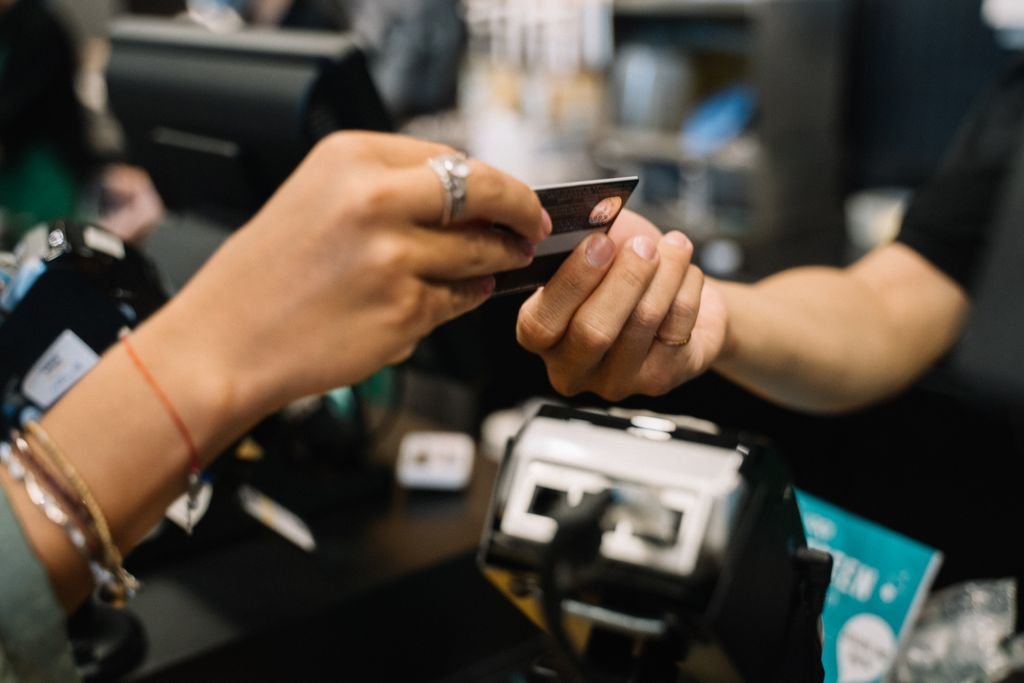
ATM card and a debit card can both provide access to money in a bank account, but their capabilities are not always the same. A traditional ATM card is primarily designed for transactions at automated teller machines. A debit card usually works at ATMs and can also be used for purchases in stores, online, and through participating digital wallets.
The difference is less obvious than it once was because many banks now issue debit cards that also serve as ATM cards. Some people therefore use the two terms interchangeably. However, a card that works at an ATM does not automatically support purchases, and the features available depend on the card, account, issuer, and payment network.
The short answer is:
- An ATM card is generally intended for ATM access, such as cash withdrawals and balance inquiries.
- A debit card is linked to a deposit account and can generally be used for ATM transactions and merchant purchases.
- Most consumers who need one card for both cash and everyday spending will find a debit card more practical.
- A limited-purpose ATM card may be useful when the account holder wants cash access without broad purchase capability.
Always review the cardholder agreement and ask the issuing bank or credit union what a particular card can do.
ATM Card vs. Debit Card at a Glance
| Feature | ATM Card | Debit Card |
|---|---|---|
| Main purpose | Access an account through ATMs | Access cash and make purchases |
| Cash withdrawals | Generally yes | Generally yes |
| Balance inquiries at ATMs | Generally yes | Generally yes |
| In-store purchases | Usually unavailable on a limited-purpose card | Generally available |
| Online purchases | Usually unavailable | Generally available |
| Linked to a bank or credit-union account | Yes | Yes |
| Uses borrowed money | No | No, unless an overdraft or linked credit feature applies |
| Payment-network logo | May not have one | Commonly has Visa, Mastercard, or another network logo |
| PIN | Commonly required | Used for ATM access and some purchases |
| Contactless and mobile-wallet support | Uncommon | Often available, depending on issuer |
| Potential fees | ATM and account fees may apply | ATM, account, foreign-transaction, and overdraft-related fees may apply |
What Is an ATM Card?
An ATM card is an access card issued by a bank or credit union for use with an automated teller machine. It is linked to a deposit account rather than a line of credit.
Depending on the institution and account, an ATM card may allow the cardholder to:
- Withdraw cash
- Check an account balance
- Make a cash or check deposit at an eligible ATM
- Transfer money between linked accounts
- Change a PIN
- Obtain a mini statement or perform another supported ATM function
A traditional, limited-purpose ATM card normally cannot be used to buy an item from a store or website. It may lack a major payment-network logo and the credentials needed for card-not-present transactions.
The term can still be confusing. Some institutions and consumers call any card used at an ATM an “ATM card,” even when it is technically a debit card with broader payment features. Look at the card, account disclosures, and issuer’s description rather than relying only on the informal name.
What Is a Debit Card?
A debit card is a payment card generally linked to a checking account or another eligible deposit account. When you use it, the transaction draws from money in the linked account instead of creating a revolving credit-card balance.
A debit card can commonly be used for:
- ATM withdrawals and account access
- Purchases at stores
- Online and in-app purchases
- Recurring payments
- Contactless transactions
- Digital-wallet payments, when supported
The card will often display a payment-network logo. That network helps route eligible merchant transactions, while the bank or credit union maintains the linked account and sets card limits, fees, and account rules.
A debit card does not normally help build credit because its ordinary transactions are not borrowing activity reported as a revolving credit account. It can still lead to fees or a negative balance if an overdraft service, delayed settlement, or another account feature applies.
Key Differences Between an ATM Card and a Debit Card
1. Where each card can be used
The main difference is acceptance.
A limited-purpose ATM card is generally restricted to ATMs operated by the issuer or compatible ATM networks. A debit card can normally be used at ATMs and at participating merchants that accept its payment network.
This makes a debit card more versatile. One card can cover cash withdrawals, a grocery purchase, an online order, and a recurring subscription. An ATM-only card is designed for narrower account access.
2. Connection to a bank account
Both cards are generally connected to a deposit account. The FDIC’s consumer banking materials explain that money can be withdrawn from a checking account through checks, debit cards, or ATM cards.
The exact account connection can differ by institution:
- A debit card is commonly tied to a checking account.
- An ATM card may be associated with checking, savings, or both.
- One card may allow the user to choose between multiple linked accounts at the ATM.
- Purchase transactions may draw only from the account designated by the issuer.
If account ownership and service options are important, compare the broader differences between a bank and a credit union before opening an account.
3. Purchases in stores and online
A debit card is designed to work as a payment method. It typically includes a card number, expiration date, security code, and payment-network branding needed for eligible merchant and online transactions.
A traditional ATM card may not include those features and usually cannot be entered at an online checkout or used at a point-of-sale terminal.
Do not assume that every debit card works everywhere. Merchants, issuers, networks, account restrictions, geographic controls, and transaction types can affect acceptance.
4. PIN use
Both card types generally use a personal identification number for ATM transactions.
A debit-card purchase may be processed in several ways. Some transactions require a PIN, while others may use contactless authorization, a signature, a security code, or another verification method. The processing method does not turn the debit card into a credit card. The money still generally comes from the linked deposit account.
Keep the PIN private. Do not write it on the card or store it with the card. A bank representative, government agency, or legitimate business should not ask for the PIN or a one-time security code in an unsolicited call or message.
5. Transaction timing and available balance
An ATM cash withdrawal is often reflected in the account quickly. A debit-card purchase may first appear as pending and later post for a final amount.
For example, a restaurant, gas station, or hotel may place an authorization hold that temporarily reduces the money available to spend. The final posted amount can differ from the initial hold.
This is why the number shown as the account balance may not equal the amount available for a new transaction. Our guide to current balance versus available balance explains how pending transactions and holds affect those figures.
6. Fees
Neither card is automatically free to use.
Possible ATM-card or debit-card costs include:
- A fee charged by the cardholder’s financial institution for using an out-of-network ATM
- A surcharge charged by the ATM operator
- An international ATM or foreign-transaction fee
- A card-replacement fee
- A monthly account fee
- An overdraft-related fee when permitted
- A balance-inquiry fee at certain machines
The Office of the Comptroller of the Currency notes that banks may charge ATM fees when those fees are properly disclosed, and an ATM operator must provide notice before the consumer is committed to paying its fee. Review the OCC guidance on ATM fees and the institution’s current fee schedule before using an unfamiliar machine.
7. Spending and withdrawal limits
An issuer may set separate limits for:
- Daily ATM cash withdrawals
- Daily debit-card purchases
- Individual transactions
- Contactless transactions
- International transactions
A debit card’s purchase capability does not mean the cardholder can spend an unlimited amount. Available funds, pending holds, fraud controls, merchant restrictions, and issuer limits can all affect approval.
An ATM may also impose its own per-transaction withdrawal limit even when the bank permits a higher daily amount.
8. Overdraft treatment
An ATM card and a debit card both draw from an account, but an institution may offer overdraft coverage for eligible ATM withdrawals and one-time debit-card purchases.
Under federal rules, a bank or credit union generally cannot charge an overdraft fee for an ATM withdrawal or one-time debit-card transaction unless the consumer has affirmatively opted in to that service. The institution may decline a transaction when funds are insufficient, and opting in does not require it to approve every overdraft.
The Consumer Financial Protection Bureau’s overdraft guidance explains that consumers can opt out of debit and ATM overdraft coverage and may consider alternatives such as linking an eligible savings account. Fees and terms vary, so compare the cost before enrolling.
Are ATM Cards and Debit Cards Equally Safe?
Both cards can be covered by federal protections for electronic fund transfers when they access a consumer account, but prompt reporting is critical.
Risks can include:
- A lost or stolen card
- PIN theft
- ATM skimming
- Fake card readers or keypads
- Phishing messages
- Unauthorized online purchases
- Account takeover
According to the CFPB’s guidance on unauthorized bank transactions, a consumer who reports a lost or stolen access device within two business days may have liability limited to the lesser of $50 or the unauthorized transfers. Waiting longer can increase potential liability, and unauthorized transactions shown on a periodic statement should generally be reported within 60 days.
The facts of a specific case matter. Card-network protections may also be available, but they do not replace the need to follow federal reporting deadlines and the issuer’s notice procedure.
To reduce risk:
- Enable transaction and low-balance alerts.
- Review the account frequently.
- Cover the keypad when entering a PIN.
- Avoid an ATM that appears altered or has loose components.
- Use a bank-owned or well-lit ATM when possible.
- Lock the card promptly if it is missing.
- Report unauthorized activity immediately.
- Never share a PIN or one-time security code in response to an unsolicited request.
ATM Card vs. Debit Card vs. Prepaid Card
These three cards can look similar, but they do not hold or access money in the same way.
| Card type | Source of funds | Typical uses | Bank account required? |
| ATM card | Linked deposit account | ATM transactions | Yes |
| Debit card | Linked deposit account | ATM transactions and purchases | Yes |
| Prepaid card | Money loaded into the card program | Purchases and sometimes ATM withdrawals | Not necessarily |
A prepaid card is not ordinarily connected to the user’s checking account. The user or another party loads funds into the card program, and spending is generally limited by the available prepaid balance and program rules.
Our comparison of a prepaid card and debit card covers fees, account access, and consumer protections in greater detail.
Which Card Is Better?
A debit card is generally better when you want to:
- Withdraw cash and make purchases with one card
- Shop online or in stores
- Use a digital wallet or contactless payment
- Pay recurring bills from a checking account
- Avoid carrying a separate ATM-only card
An ATM card may be suitable when you:
- Need only cash and basic account access
- Want to limit the card’s purchase capability
- Have an account that does not include an ordinary debit card
- Prefer not to carry a card that can be widely used at merchants
The best option depends on the actual account terms. A card with more features is not automatically better if it carries higher fees, creates unwanted overdraft risk, or does not match the account holder’s spending habits.
Questions to Ask Before Choosing a Card or Account
Before accepting either card, ask the bank or credit union:
- Is this an ATM-only card or a debit card with ATM access?
- Which account or accounts does it access?
- Can it be used for online and international purchases?
- What are the daily withdrawal and purchase limits?
- Which ATM network is surcharge-free?
- Does the institution charge an out-of-network ATM fee?
- Am I enrolled in ATM and debit-card overdraft coverage?
- Can I lock the card through a mobile app?
- Are transaction alerts available?
- What number should I call to report a lost card or unauthorized transfer?
Frequently Asked Questions
Is an ATM card the same as a debit card?
Not always. A traditional ATM card is designed mainly for ATM transactions, while a debit card generally works at ATMs and for merchant purchases. Many people use the term ATM card for a debit card because most modern debit cards include ATM access.
Can an ATM card be used as a debit card?
A limited-purpose ATM card generally cannot be used for ordinary store or online purchases. Check for payment-network branding and confirm the features with the issuing institution.
Can a debit card be used at an ATM?
Generally, yes. Most debit cards can be used at compatible ATMs for withdrawals and other supported account transactions. Network access, fees, and withdrawal limits may apply.
Do ATM cards and debit cards affect credit scores?
Ordinary ATM and debit-card use is not generally reported as revolving credit activity and does not normally build a credit history. A separate overdraft line of credit or unpaid account debt may be treated differently.
Can you use an ATM card online?
A traditional ATM-only card generally cannot be used online. A debit card with a card number, expiration date, security code, and supported payment network is more likely to be accepted for online purchases.
Do ATM cards have CVV numbers?
A limited-purpose ATM card may not have a card verification value because it is not intended for card-not-present purchases. A debit card commonly has a security code. Card design and terminology vary by issuer.
Is an ATM card safer than a debit card?
An ATM-only card has fewer places where it can be used, which may reduce some purchase-related exposure. Both card types still require careful PIN protection, account monitoring, and prompt reporting of loss or unauthorized activity.
What happens if I do not have enough money in my account?
The transaction may be declined. If the institution pays an eligible overdraft, you must repay the shortfall and may face a fee when the fee is permitted and you have opted in where required. Review the account’s overdraft disclosures.
Final Verdict
The central difference between an ATM card and a debit card is functionality. An ATM card is generally limited to accessing a deposit account through ATMs. A debit card normally provides ATM access plus the ability to make purchases at participating stores, websites, and apps.
For most consumers who want one card for cash withdrawals and everyday spending, a debit card is the more convenient choice. A limited-purpose ATM card can still make sense for someone who needs basic cash access and wants to restrict merchant purchases.
Before choosing, compare the card’s actual features, linked account, ATM network, transaction limits, fraud controls, and fees. Card names are not always used consistently, so the issuer’s disclosures should determine what the card can and cannot do.
This article is for general educational purposes only and does not provide individualized legal, banking, credit, or financial advice.