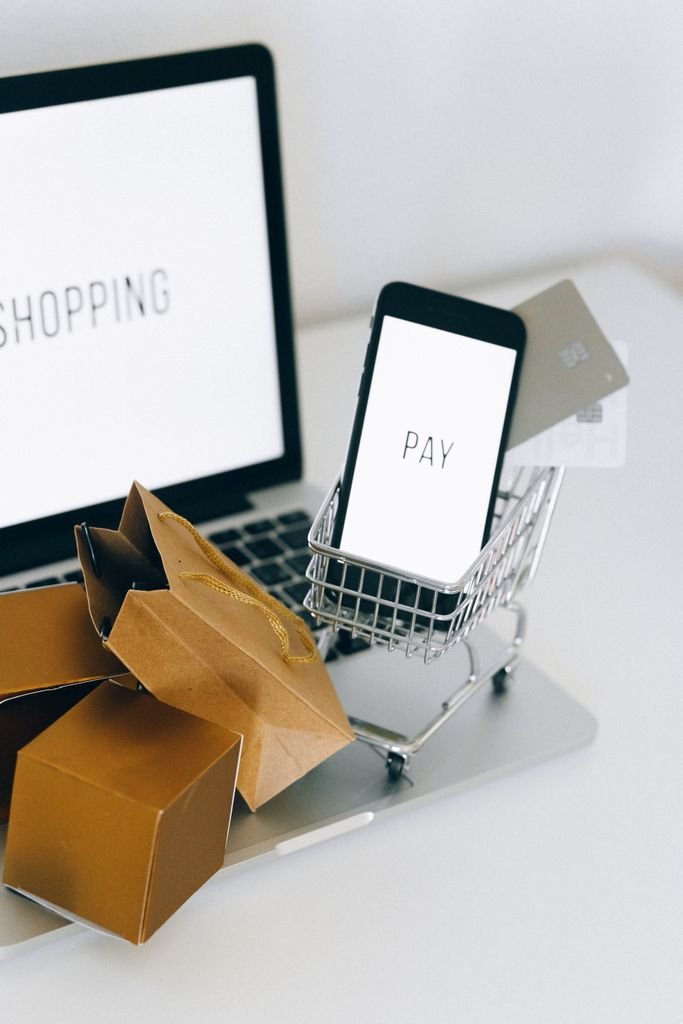
Choosing buy now, pay later vs. credit card financing can make a holiday purchase look affordable before you have checked its full cost. A $300 checkout still costs $300 when the screen highlights a $75 installment. The useful comparison is what you will owe, when the money leaves your account and what happens if your plans change.
Neither option is automatically better. A credit card may fit a purchase you can repay in full under its terms. A short installment plan may offer a predictable schedule, but several plans can create a crowded payment calendar. If either choice leaves you short for essentials, reducing or postponing the purchase is a stronger starting point.
Buy Now, Pay Later vs. Credit Card: The Main Difference
Buy now, pay later, or BNPL, generally finances an individual purchase through scheduled installments. The Consumer Financial Protection Bureau explains BNPL loans as installment arrangements that commonly divide purchases into four or fewer payments. Products vary, and longer financing offers can have different costs.
A credit card provides a reusable line of credit. Purchases generally contribute to an account balance, and the statement sets out payment information. Making only the minimum payment can leave debt outstanding. Whether interest applies depends on the account terms, transaction type and how you repay.
| What to compare | BNPL | Credit card |
|---|---|---|
| Payment structure | Installments for a particular purchase | Account balance with statement payments |
| Cost | Check interest, late fees and other charges | Check APR, annual fees and transaction charges |
| Calendar | Several purchases can mean several schedules | Purchases may share one statement, subject to account terms |
| Credit effects | Credit checks and reporting vary by provider and product | Payment and balance management can affect your credit record |
| Returns | Check both the merchant and lender process | Check merchant refunds and the issuer’s dispute procedure |
Compare the Total Cost Before the Payment Amount
Start with the cash price, including tax, shipping and any required charges. Then add financing costs. An interest-free offer can still become expensive if you miss payments or trigger a bank fee. The CFPB’s guidance on BNPL fees notes that late charges may apply and automatic withdrawals can lead to overdraft or insufficient-funds fees from your bank.
For a credit card, compare the applicable APR and fees rather than focusing only on rewards. The FDIC’s credit card overview explains that financing costs rise with a higher APR and that cards may charge annual fees. Promotional terms need a separate check: record when the promotion ends and what happens to any unpaid balance.
For example, a hypothetical 2% reward on a $300 eligible purchase is $6. A $10 fee would already exceed that reward, even before interest. Rewards also have eligibility and redemption terms. Treat them as a secondary benefit after confirming affordability, not as a reason to increase the purchase.
A $300 Holiday Purchase: Map Every Due Date
Imagine a no-interest plan that requires four equal $75 payments: at checkout, then two, four and six weeks later. This is an illustration, not a promise about a particular provider. You need $75 now and another $225 across the following six weeks.
Now imagine opening three identical plans on the same schedule. The purchases total $900, and each payment date requires $225. Each checkout may have looked manageable in isolation. Together they can compete with rent, groceries and utility bills.
Compare that with putting $300 on a credit card. The statement and agreement determine your payment obligations and financing costs. Do not assume the minimum payment clears the purchase or makes borrowing free. Check the amount you would need to pay, and by which date, to avoid purchase interest under your own account terms.
Write both options into the same calendar using actual take-home income. Our guide to gross pay vs. net pay explains why your salary figure is not the amount available to spend. Include existing debts before deciding that another installment fits.
Check Automatic Payments Against Essential Bills
Automatic payments can help you remember a deadline, but they do not ensure that enough money will be available. A payment might arrive before your paycheck, after an unexpected bill or while a refund is still pending. Check the withdrawal account, payment amount and timing before agreeing.
The CFPB recommends monitoring balances and scheduled withdrawals in its automatic payment guidance. Keep your own reminders even if a provider sends alerts. Ask what happens after a failed payment and whether another attempt or charge is possible under the agreement.
Before adding a holiday obligation, separate recurring commitments from flexible purchases. A list of fixed and variable expenses helps show which money is already committed. Do not count the same spare $75 as available for several different plans.
Returns and Refunds Need Their Own Plan
A returned gift does not necessarily cancel the financing immediately. The merchant may need to receive and inspect the item, approve the return and process a refund. The lender or card issuer may then need to apply that credit. Keep paying as required unless the provider confirms a change to your obligations.
Read the return deadline before buying, especially for holiday gifts purchased well in advance. Check return shipping, restocking charges, final-sale exclusions and whether the refund goes to the original payment method. The FTC’s online shopping guidance recommends checking these policies and keeping transaction records.
Save the order confirmation, financing agreement, payment schedule, return tracking and messages. If the refund is missing, contact the merchant and payment provider through their official channels. Ask how disputed amounts and scheduled payments are handled. Do not assume BNPL and credit cards follow identical procedures or offer identical protections; check the specific product and current requirements.
Will BNPL or a Credit Card Affect Your Credit?
Credit effects depend on the product and how the account is managed. Before accepting BNPL, ask whether applying involves a credit check, what kind of check it uses and whether payment activity is reported. Do not assume all providers report on-time payments or that missed payments are harmless.
The FTC’s BNPL shopping checklist advises consumers to examine fees, credit reporting and complaint information. A product that helps spread payments is not automatically a credit-building tool.
With a credit card, payment history and balance management matter. A large holiday balance can also reduce the credit you have available for other needs. Avoid choosing a payment method solely because an application is easy or approval is quick. Approval does not establish that the purchase fits your household budget.
When Each Option May Fit Your Budget
A credit card may be practical when you already use the account responsibly, understand its terms and have a reliable plan to repay the purchase without expensive borrowing. Keeping purchases on one statement can simplify tracking, but only if you review it and account for all spending.
A short BNPL plan may fit when the total price is within your existing budget, all installments are funded from dependable income and the agreement has acceptable costs. It is easier to assess one modest plan than several overlapping commitments. Read the actual offer rather than assuming every pay-later product is interest-free.
Neither option fits well when repayment depends on uncertain overtime, a hoped-for bonus or borrowing again. If you are already carrying expensive debt, adding gift purchases can prolong the problem. Consider a smaller gift, a delayed purchase or an agreed spending limit with family.
Our Christmas on a budget guide can help set a total spending limit for gifts, food and celebrations before you choose a payment method. Financing should fit that limit, not enlarge it.
A Checkout Checklist for Holiday Shopping
- Confirm the full price. Include tax, delivery and any necessary extras.
- List every repayment. Record dates and amounts alongside existing obligations.
- Read the cost terms. Check interest, late charges, annual fees and promotional conditions.
- Check your bank balance. Allow room for essential bills and timing differences.
- Review credit checks and reporting. Ask the provider rather than relying on a general assumption.
- Read the return and dispute process. Find out what happens while a refund is pending.
- Make the affordability decision last. Walk away if the complete schedule does not work.
The FDIC’s holiday budgeting guidance encourages shoppers to plan spending and track what they actually spend. Update your list after each purchase, including purchases financed through an app. A shopping total that omits future installments understates your commitments.
Frequently Asked Questions
Is buy now, pay later cheaper than a credit card?
It can be, but there is no universal answer. Compare the actual financing terms and your repayment plan. A no-interest installment offer may still involve late or bank fees. A card purchase may avoid purchase interest when you meet the agreement’s conditions. Check both offers before deciding.
Can I use several BNPL plans at once?
Availability depends on the providers, but the budgeting question is whether all payments fit together. Add the total outstanding debt and every due date, including obligations outside the app you are currently using. Several small installments can produce one large weekly cash requirement.
Should I stop installments when I return an item?
Do not assume a return automatically pauses payments. Contact the merchant and financing provider, retain proof of the return and get clear instructions. Follow the applicable payment requirements while the matter is being resolved.
Which option is best for Christmas gifts?
The better option is the one whose complete cost, schedule and terms fit money you can reliably spare. If neither fits, reduce the gift budget. A useful gift does not need to create debt that competes with essential spending after the holidays.
This article provides general educational information for U.S. readers. Product terms vary; review the agreement and current provider guidance before borrowing.