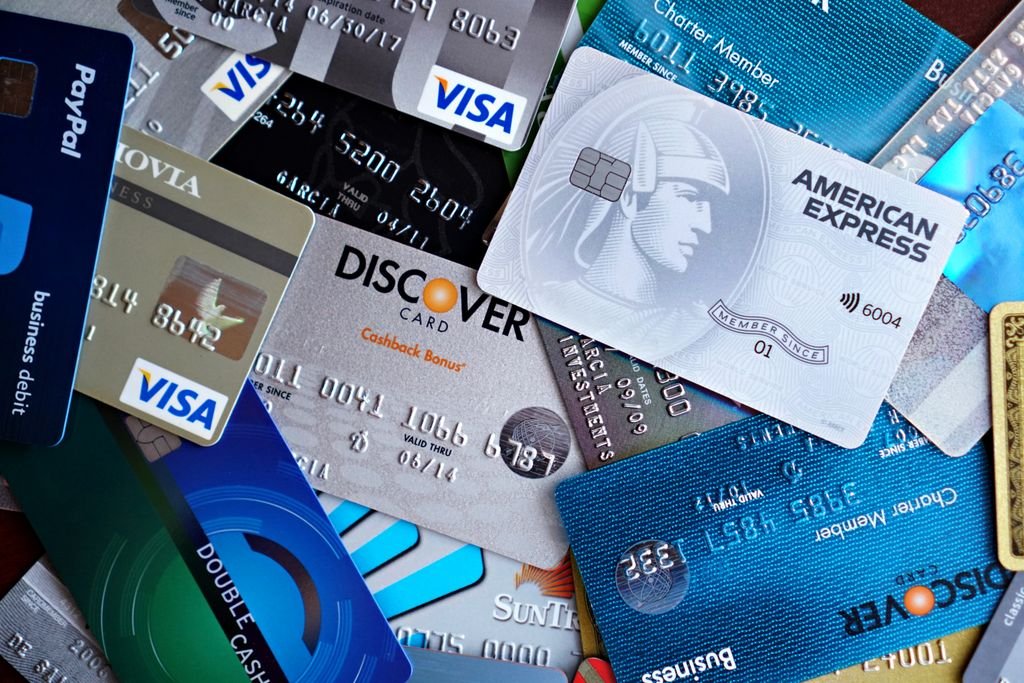
A charge card and a credit card can look almost identical at checkout, but they are designed around different repayment structures.
The main difference between a charge card vs. credit card is that a traditional charge card generally requires the statement’s pay-in-full balance by the due date, while a credit card normally allows you to carry part of the balance from one billing cycle to the next—subject to interest and minimum-payment requirements.
There is another important distinction. A credit card usually has a stated credit limit. A charge card may have no preset spending limit, but that does not mean unlimited purchasing power. The issuer can approve or decline a transaction based on account history, payment behavior, spending patterns, financial information and other factors.
Modern card features can blur the line. Some accounts marketed as charge cards allow eligible purchases to be moved into a separate pay-over-time balance. The actual cardmember agreement—not the product’s marketing label—determines how payments, interest, limits and fees work.
Charge Card vs. Credit Card at a Glance
| Feature | Charge card | Credit card |
|---|---|---|
| Basic repayment structure | Traditional pay-in-full balance is due each month | Minimum payment is required; remaining eligible balance may revolve |
| Spending limit | Often no preset spending limit | Usually has a stated credit limit |
| Unlimited spending? | No; purchasing power remains subject to issuer approval | No; purchases are generally limited by available credit |
| Interest | Traditional pay-in-full purchases do not use a periodic APR; some cards have pay-over-time features | Interest may apply when an eligible balance is carried beyond the grace period |
| Late-payment consequence | Late fees, account restrictions and possible credit damage; unpaid amounts may have additional charges | Late fees, interest, possible penalty terms and credit damage |
| Minimum payment | Pay-in-full amount is generally required, plus any separate pay-over-time minimum | Minimum payment shown on the statement |
| Annual fee | Common, sometimes substantial | Ranges from $0 to several hundred dollars or more |
| Credit utilization | May be excluded from traditional utilization calculations if reported without a revolving limit | Balance and reported limit generally affect revolving utilization |
| Credit reporting | Can affect payment history, account age, inquiries and other scoring factors | Can affect payment history, utilization, account age, inquiries and other factors |
| Availability | Relatively limited | Widely available |
| Best suited for | A disciplined user who can pay the required amount in full and values the card’s benefits | A user who wants broader choices and a predictable credit limit—and understands the cost of carrying debt |
These are common characteristics, not universal rules. Always review the rates-and-fees table and cardmember agreement for the specific account.
What Is a Charge Card?
A charge card is a form of credit card built primarily around paying the required balance in full rather than revolving it indefinitely.
The federal definition is more technical. Under Regulation Z, 12 CFR § 1026.2, a charge card is a credit card on an account for which no periodic rate is used to calculate a finance charge.
In practice, a traditional charge card commonly has these features:
- A pay-in-full amount due each billing cycle
- No traditional preset spending limit
- An annual fee
- Rewards or travel benefits
- Transaction approval that can change according to account circumstances
- Possible late fees or account restrictions if the required amount is not paid
No preset spending limit does not mean unlimited
This phrase is easy to misunderstand.
A card with no preset spending limit does not promise to approve every purchase. The issuer may evaluate:
- Your previous charges
- Your payment record
- The size and type of the proposed transaction
- Recent changes in spending
- The length of the account relationship
- Creditworthiness and other financial information
- Suspected fraud or unusual activity
For example, a person who normally spends $2,000 per month should not assume a sudden $25,000 purchase will be approved. The customer may need to check purchasing power or contact the issuer before making an unusually large transaction.
Some issuers may report a highest balance or another figure to credit bureaus, but that figure is not necessarily a conventional credit limit.
Modern pay-over-time features
Some charge-card accounts divide the balance into two categories:
- Pay in full: The amount generally due by the payment deadline.
- Pay over time: Eligible charges that may be carried subject to a separate APR, limit and minimum payment.
This structure makes the account partly resemble a traditional credit card. It also means a consumer should not assume that the words “charge card” automatically mean the account can never accrue interest.
The Consumer Financial Protection Bureau’s public credit-card agreement database contains real account agreements showing how no-preset-spending-limit and pay-over-time terms can coexist. Read the agreement issued for your account because features can change and not every transaction qualifies.
What Is a Credit Card?
A credit card is commonly linked to an open-end revolving credit account with a stated credit limit.
When you make a purchase, the transaction reduces your available credit. When you make a payment, available credit generally increases after the issuer processes it, subject to holds, pending transactions and account rules.
A credit-card statement normally shows:
- Statement balance
- Minimum payment
- Payment due date
- Annual percentage rate, or APR
- Interest-charge calculations
- Fees
- Credit limit and available credit
- Transactions, payments and credits
If the card provides a grace period and you pay the statement balance in full by the due date, you can generally avoid interest on eligible purchases. If you pay only the minimum, the remaining eligible balance can continue into the next billing cycle and accrue interest according to the agreement.
Understanding the difference between the minimum payment and statement balance is therefore essential. Paying the minimum may keep the account from becoming late, but it normally does not prevent purchase interest or repay the debt quickly.
Seven Key Differences
1. Full payment vs. revolving a balance
A traditional charge card requires the pay-in-full balance by the due date. It is designed for spending that the cardholder can cover when the statement arrives.
A credit card permits revolving debt. The cardholder can pay an amount between the required minimum and the full statement balance. The unpaid portion may incur interest.
This credit-card flexibility can be useful in a genuine short-term cash-flow problem, but it is expensive when it becomes a routine financing method. A high APR can make a purchase cost substantially more and extend repayment for months or years.
2. Preset credit limit vs. dynamic purchasing power
A credit card usually provides a stated limit—for example, $10,000. If the account has a $2,500 balance and no other pending activity, the available credit might be approximately $7,500.
A charge card may not provide a traditional limit. Purchasing power can change and an attempted charge can be declined even when the account is current.
This makes a charge card flexible for variable monthly spending but less predictable for a large transaction. A credit card’s limit is easier to see, although the issuer may still lower the limit, restrict the account or decline suspicious transactions.
3. Interest and financing charges
Traditional charge-card purchases do not use a periodic APR to calculate a finance charge because the required balance is intended to be paid in full.
That does not make a charge card cost-free. It may impose:
- Annual fees
- Late-payment fees
- Returned-payment fees
- Foreign-transaction fees
- Charges connected with optional payment features
- Interest on an eligible pay-over-time balance
A credit card commonly lists APRs for purchases, balance transfers and cash advances. These transactions can follow different rules, and a cash advance may begin accruing interest without a purchase-style grace period.
4. Annual fees and rewards
Charge cards often emphasize premium rewards, travel credits, airport-lounge access, purchase protections or service benefits. These features may be accompanied by a significant annual fee.
Credit cards span a wider range:
- No-annual-fee cards
- Cash-back cards
- Travel-rewards cards
- Secured cards
- Student cards
- Balance-transfer cards
- Premium cards with high annual fees
Rewards should not justify unnecessary spending or interest. A card producing $500 in annual benefits is not a good deal if it causes $900 of additional fees, interest or purchases you would not otherwise make.
5. Credit utilization
Credit utilization compares revolving balances with reported credit limits.
For example, a credit card reporting a $2,000 balance against a $10,000 limit has 20% utilization:
$2,000 ÷ $10,000 × 100 = 20%
Because a charge card may not report a traditional revolving limit, many scoring calculations exclude it from conventional utilization ratios. Experian’s explanation of how charge cards affect credit scores notes that issuers may report them as open rather than revolving accounts.
However, reporting and scoring models can differ. A charge-card balance can still appear on a credit report and affect other aspects of a score. Consumers should not open a charge card solely to manipulate utilization.
6. Credit-score effects beyond utilization
Both types of cards can affect credit through:
- Payment history: A late payment can cause serious harm when reported.
- Hard inquiry: Applying may generate an inquiry.
- Account age: A new account can reduce average account age.
- Amounts owed: The reported balance may influence scoring beyond utilization.
- Credit mix: The account can be considered with other credit obligations.
Neither card automatically builds excellent credit. Consistent on-time payments, manageable balances and responsible account use matter more than the label on the plastic.
7. Consequences of not paying
Failing to pay a charge card’s required amount can lead to:
- Late fees
- Loss of charging privileges
- Account suspension or closure
- Collection activity
- Negative credit reporting
- Loss of rewards or benefits under program rules
- Interest or other charges when permitted by the agreement
Failing to pay at least the credit card’s minimum can produce similar consequences. Paying only the minimum avoids neither interest nor prolonged debt.
If the statement numbers are confusing, review the difference between a card’s balance and the money still available to spend. WealthLedger’s guide to current balance vs. available balance explains how posted purchases, pending authorizations, payments and holds can cause the figures to differ.
Charge Card vs. Credit Card Example
Suppose Jordan spends $3,000 during a billing cycle.
With a traditional charge card
The statement shows a $3,000 pay-in-full balance due on the payment date. Jordan must have the cash available to pay that amount. Paying less could trigger fees or restrictions according to the agreement.
With a credit card
The statement also shows a $3,000 balance, but the minimum payment is $90. Jordan could:
- Pay $3,000 and generally avoid purchase interest when the grace-period conditions are met.
- Pay more than $90 but less than $3,000 and carry the remaining balance.
- Pay only $90 and accrue interest on the unpaid eligible amount.
The $90 option creates short-term flexibility, but it can become expensive. Assuming a hypothetical 24% APR, no new purchases and a simplified 2% monthly rate, approximately $60 of the next month’s cost could be interest before considering the issuer’s exact calculation and additional payments.
This example illustrates the central trade-off: a credit card provides repayment flexibility, while a charge card imposes stronger monthly payment discipline.
Advantages and Disadvantages of Charge Cards
Potential advantages
- Encourages paying the required balance each month
- May provide adaptable purchasing power
- Can offer premium rewards and travel benefits
- May not be included in traditional revolving-utilization calculations
- Can suit reimbursed business or travel expenses when cash flow is carefully managed
Potential disadvantages
- Pay-in-full requirement can create cash-flow pressure
- No preset limit does not guarantee transaction approval
- Annual fee may be high
- Product choices are limited
- Late-payment consequences can be significant
- Pay-over-time features can add complexity and interest
- Benefits may encourage overspending if not evaluated carefully
Advantages and Disadvantages of Credit Cards
Potential advantages
- Broad selection of products and fee structures
- Clear stated credit limit
- Ability to carry an eligible balance when necessary
- Options for rewards, introductory APRs or credit building
- No-annual-fee cards are widely available
- Can provide fraud protections and easier payment tracking
Potential disadvantages
- Carrying a balance can be expensive
- Minimum payments can prolong debt
- High utilization can affect credit scores
- Rewards can encourage additional spending
- Cash advances and some transfers can have separate fees and APRs
- Late payments can trigger fees and credit damage
Which One Should You Choose?
A charge card may be worth considering if:
- You reliably pay card bills in full.
- Your monthly spending varies but remains within your budget.
- The rewards and benefits exceed the annual fee based on normal spending.
- You maintain enough cash to cover the pay-in-full amount.
- You are comfortable with purchasing power that can change.
- You will review pay-over-time terms before using them.
A credit card may be more appropriate if:
- You want a no-annual-fee option.
- A visible, predictable credit limit helps you budget.
- You need a secured or beginner-oriented card.
- You want a wider choice of rewards and features.
- You understand the cost of carrying debt.
- You can keep utilization manageable and pay on time.
Neither is a good fit if:
- A card makes it difficult to control spending.
- You cannot make required payments reliably.
- Fees outweigh realistic benefits.
- You are using new credit to cover an ongoing budget deficit.
- Rewards are encouraging purchases that do not fit your financial plan.
The safest comparison begins with behavior, not perks. A basic card paid in full can be more valuable than a premium product that creates debt or forces you to spend more to justify its fee.
Questions to Ask Before Applying
- Is the account a traditional charge card, revolving credit card or hybrid?
- Which balances must be paid in full?
- Does it offer pay over time, and what APR and limit apply?
- Is there a stated credit limit or no preset spending limit?
- How can I check purchasing power for a large purchase?
- What is the annual fee?
- Which credits or rewards match spending I already do?
- Do rewards expire or require enrollment?
- What foreign-transaction, cash-advance or late fees apply?
- Is there a grace period for purchases?
- How will the issuer report the account to credit bureaus?
- What happens if I pay less than the required amount?
- Will applying create a hard credit inquiry?
- Can the issuer restrict transactions or adjust purchasing power?
- How does the product compare with a no-annual-fee alternative?
Read the pricing disclosure and complete agreement rather than relying only on an advertisement or comparison page.
Frequently Asked Questions
Is a charge card the same as a credit card?
A charge card is legally a type of credit card, but its repayment structure differs from a conventional revolving credit card. A traditional charge card requires the pay-in-full balance each cycle and does not use a periodic rate to calculate finance charges on that balance.
Do charge cards have credit limits?
Many have no preset spending limit. That does not mean unlimited spending. Transaction approval and purchasing power can vary according to the issuer’s criteria and the account’s circumstances.
Can you carry a balance on a charge card?
The traditional pay-in-full balance cannot normally be carried like ordinary revolving debt. Some modern charge cards offer a separate pay-over-time feature for eligible transactions. Review the cardmember agreement for the exact rules.
Do charge cards charge interest?
Traditional pay-in-full purchases do not use a periodic APR to calculate a finance charge. Interest may apply to an eligible pay-over-time balance or another transaction category if the agreement provides for it.
Do charge cards affect your credit score?
Yes. A charge card may affect payment history, inquiries, account age, amounts owed and other scoring factors. It may be excluded from standard revolving-utilization calculations when no conventional limit is reported, but reporting and scoring methods vary.
Is a charge card better for credit utilization?
It may not be included in conventional utilization calculations, but that is not a reason by itself to open one. The account can affect credit in other ways, and a missed payment can cause substantial harm.
Is a charge card harder to get?
Approval standards vary by issuer and product. Premium charge cards may target applicants with stronger credit and sufficient income, while credit cards are available across a wider range of credit profiles.
Can a charge card help control spending?
The pay-in-full requirement may discourage carrying debt, but no card automatically controls spending. A person can still overspend and face a balance that exceeds available cash.
Are charge cards safer than credit cards?
Neither is universally safer. Both can provide consumer protections and fraud-monitoring features, while both can create financial problems when misused. Compare the agreement, account controls and your repayment behavior.
Should I close a credit card after getting a charge card?
Not automatically. Closing an older credit card can reduce available revolving credit and affect account age or utilization. Compare the card’s fee, usefulness and effect on your overall credit profile before acting.
Final Verdict
The charge card vs. credit card decision comes down to two different forms of flexibility.
A charge card may provide flexible purchasing power but normally expects the required pay-in-full balance by the due date. A credit card provides a fixed limit and more flexible repayment, but carrying a balance can generate substantial interest.
Choose according to your real spending and repayment behavior—not the prestige of the card or the size of its welcome offer. Review the annual fee, payment terms, APRs, rewards, statement structure and credit-reporting practices. Most importantly, select a card whose required payment you can meet without weakening emergency savings or using another debt to pay the bill.
This article is for general educational purposes and does not provide individualized financial, credit, legal or tax advice. Card terms, credit reporting and scoring methods vary by issuer, agreement and consumer. Review current disclosures and consider consulting a qualified professional before making a significant credit decision.