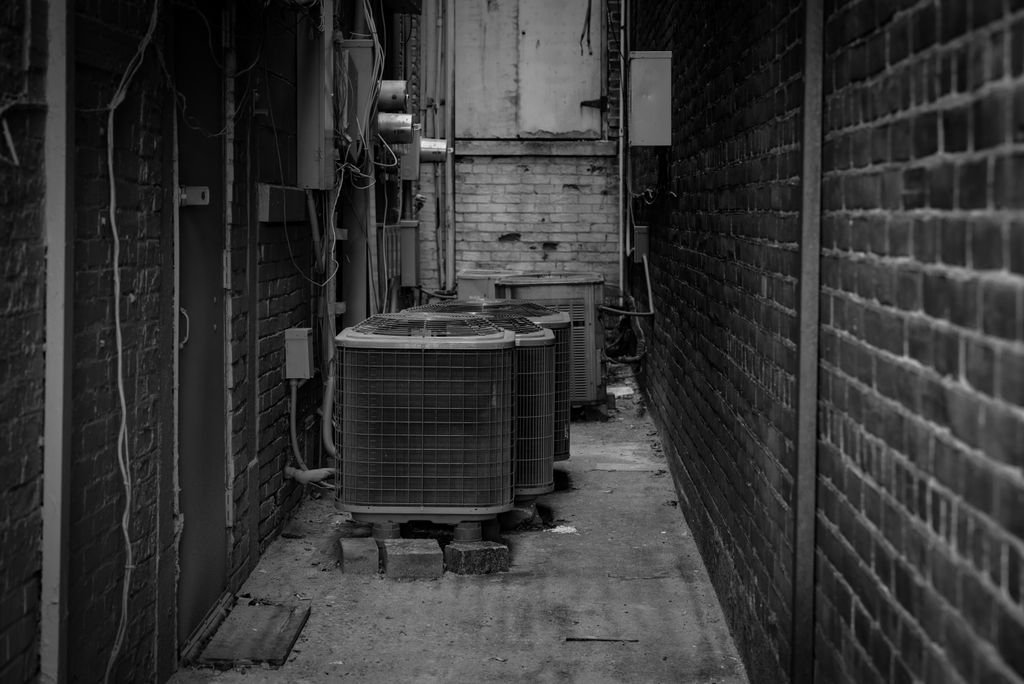
Repairing or replacing an HVAC system can cost thousands of dollars. Whether homeowners insurance helps pay the bill depends primarily on why the system stopped working.
Homeowners insurance may cover an HVAC system when it is damaged by a covered peril, such as fire, lightning, hail, vandalism, or a falling object.
However, standard homeowners insurance generally does not cover an air conditioner, furnace, boiler, or heat pump that fails because of age, normal wear and tear, poor maintenance, corrosion, or an ordinary mechanical breakdown.
An optional equipment-breakdown endorsement or a home warranty may provide additional protection for some failures excluded by standard homeowners insurance.
Quick HVAC Coverage Guide
| Cause of HVAC damage | Usually covered? |
|---|---|
| House fire damages the HVAC system | Usually yes |
| Lightning damages electrical components | Often yes |
| Hail damages an outdoor central AC unit | Often yes |
| A covered falling tree damages the condenser | Often yes |
| Vandalism damages the equipment | Often yes |
| Furnace stops working because of age | No |
| Compressor fails from normal use | No |
| Corrosion causes a refrigerant leak | Usually no |
| Homeowner fails to maintain the system | No |
| Manufacturer defect causes failure | Usually no |
| Flood damages the outdoor unit | Not under standard homeowners insurance |
| Earthquake damages the system | Not without appropriate coverage |
| Power surge damages equipment | Policy-dependent |
| Equipment-breakdown endorsement applies | Possibly |
Coverage depends on the policy, cause of loss, deductible, and whether the HVAC equipment is considered part of the dwelling or personal property.
When Does Homeowners Insurance Cover HVAC Systems?
A standard homeowners policy protects the house against covered events. A permanently installed HVAC system is generally considered part of the dwelling.
Covered HVAC components may include:
- Central air-conditioning system
- Furnace
- Heat pump
- Boiler
- Ductwork
- Thermostat
- Outdoor condenser
- Air handler
- Permanently installed mini-split system
- Built-in ventilation equipment
The damage must result from a covered cause rather than ordinary failure.
Allstate explains that homeowners insurance may cover HVAC damage caused by a sudden covered peril. Aging, wear and tear, and mechanical breakdown are generally excluded. Review Allstate’s HVAC coverage guidance.
Fire and Smoke Damage
Homeowners insurance commonly covers HVAC systems damaged by a covered house fire.
Coverage may include damage to:
- Furnace
- Air conditioner
- Heat pump
- Ductwork
- Electrical connections
- Thermostats
- Control boards
- Other permanently installed components
Smoke and heat damage may also qualify even when the equipment was not directly burned.
If the system must be removed to repair covered fire damage elsewhere in the house, ask whether removal and reinstallation are included in the claim estimate.
Lightning and Electrical Damage
A direct lightning strike can damage:
- Circuit boards
- Compressors
- Capacitors
- Thermostats
- Motors
- Wiring
- Control systems
Lightning is commonly a covered peril, but other electrical events can be more complicated.
A policy may distinguish among:
- Direct lightning
- Utility surge
- Artificially generated electrical current
- Gradual voltage fluctuation
- Internal short circuit
- Mechanical breakdown
- Defective wiring
A technician’s written diagnosis may be necessary to establish the cause.
Damage from a covered lightning event may qualify under the standard policy. An ordinary internal electrical failure may require equipment-breakdown coverage, if available.
Hail and Wind Damage
A permanently installed outdoor central AC unit may be covered when hail or wind causes direct physical damage.
Examples include:
- Hail bends condenser fins
- Wind-driven debris damages the cabinet
- A covered tree limb falls onto the unit
- Wind damages exterior HVAC components
Cosmetic damage may be treated differently from damage that prevents the system from functioning. Some policies also contain separate wind or hail deductibles.
Allstate specifically notes that dwelling coverage may apply when hail damages a built-in central air-conditioning system. A removable window unit may instead fall under personal property coverage.
Falling Trees and Other Objects
Homeowners insurance may pay when a covered falling object physically damages the HVAC system.
For example, a storm causes a tree limb to fall on the outdoor condenser. If the falling object is covered, the resulting equipment damage may also be covered.
The policy may separately address:
- Tree removal
- Damage to landscaping
- Damage to the dwelling
- Removal of debris
- The cause of the tree falling
A dead or visibly unsafe tree that the homeowner failed to address could create a maintenance or negligence issue.
Vandalism and Theft
Homeowners insurance may cover HVAC equipment damaged by vandalism or stolen during a burglary.
Potential examples include:
- A person intentionally destroys the condenser
- Copper components are stolen
- Wiring is removed
- A thermostat or removable unit is stolen
- Exterior equipment is damaged during a break-in
File a police report and photograph the scene before repairs begin.
Coverage can change when a home has remained vacant beyond the period defined by the policy. Vandalism or theft may be restricted in a vacant property.
Does Homeowners Insurance Cover HVAC Replacement?
Homeowners insurance may pay to replace an HVAC system when:
- A covered peril caused the damage.
- Repair is not practical or would cost more than replacement.
- The loss exceeds the applicable deductible.
- No exclusion prevents coverage.
- The replacement is within the policy limit.
The insurer may not automatically pay for the newest premium HVAC system.
The settlement may be based on:
- Repair cost
- Replacement cost
- Actual cash value
- Like kind and quality
- Available comparable equipment
- Policy limits
- Depreciation
- Code-upgrade coverage
If only one component is damaged, the insurer may pay to replace that component rather than the entire system.
Repair vs. Complete HVAC Replacement
Suppose lightning damages the control board of a 10-year-old furnace.
If the control board can be safely replaced, insurance may pay for the covered repair rather than a new furnace.
A complete replacement may be considered if:
- Compatible parts are unavailable
- Repair is unsafe
- Damage affects several major components
- Repair costs approach replacement cost
- Building codes prohibit the old configuration
- The adjuster and technician determine replacement is necessary
A homeowner’s preference for a newer or more efficient system does not automatically require the insurer to pay for an upgrade.
Replacement Cost vs. Actual Cash Value
The method used to settle the loss can affect the payment.
Replacement cost
Replacement cost generally pays the cost of repairing or replacing covered property with comparable property without subtracting depreciation, subject to policy terms.
Actual cash value
Actual cash value generally considers age, condition, and depreciation.
Suppose a covered event destroys an HVAC component:
- Comparable replacement cost: $8,000
- Calculated depreciation: $3,000
- Deductible: $1,500
A simplified actual cash value calculation would be:
$8,000 replacement cost − $3,000 depreciation = $5,000 actual cash value
$5,000 actual cash value − $1,500 deductible = $3,500 potential initial payment
A replacement-cost policy may initially pay an actual cash value amount and release eligible recoverable depreciation after replacement is completed and receipts are submitted.
The actual settlement depends on the policy and claim.
How the Deductible Affects an HVAC Claim
The deductible is the portion of a covered loss the homeowner must absorb.
Suppose hail causes $6,500 of covered damage and the policy has a $2,000 deductible:
$6,500 covered repair − $2,000 deductible = $4,500 potential insurer payment
If the repair costs $1,200 and the deductible is $2,000, the insurer generally pays nothing.
Check whether the claim is subject to:
- Standard property deductible
- Wind and hail deductible
- Hurricane deductible
- Percentage-based deductible
- Equipment-breakdown deductible
Do not assume every part of the policy uses the same deductible.
When Homeowners Insurance Does Not Cover HVAC
Normal wear and tear
HVAC systems deteriorate through ordinary use. Insurance generally does not pay for:
- Worn bearings
- Aging motors
- Dirty components
- Deteriorated seals
- Reduced efficiency
- Old ductwork
- An aging compressor
- Ordinary refrigerant loss
Poor maintenance
A claim may be denied if lack of maintenance caused or substantially contributed to the failure.
Examples include:
- Never replacing filters
- Ignoring visible corrosion
- Failing to clean the system
- Operating equipment with known problems
- Allowing condensate drains to remain blocked
- Failing to protect pipes from freezing
- Ignoring repeated warning signs
Insurance policies generally require homeowners to take reasonable steps to maintain and protect the property.
Mechanical breakdown
A compressor, motor, fan, or circuit board can fail without an outside event.
Standard homeowners insurance generally does not cover an ordinary mechanical or electrical breakdown. Optional equipment-breakdown coverage may help in some circumstances.
Manufacturing defects
A defective part or faulty installation generally belongs under:
- Manufacturer warranty
- Contractor warranty
- Installer liability
- Home warranty
- Another applicable contract
Homeowners insurance is not intended to replace product warranties.
Flood and earthquake damage
Standard homeowners insurance generally excludes outside flooding and earth movement.
A separate flood or earthquake policy may be required. Confirm whether that separate coverage includes HVAC components and outdoor equipment.
Does Homeowners Insurance Cover an AC Unit?
It may cover an air conditioner when a covered peril causes the damage.
The type of AC unit affects which part of the policy applies.
Central air conditioner
A permanently installed central system is generally part of the dwelling.
Damage may therefore be handled under dwelling coverage.
Window AC unit
A removable window unit is generally treated as personal property.
It may be covered against perils included in the personal property section, such as theft or fire. Coverage for hail or wind may differ because personal property can have narrower weather protection.
Portable air conditioner
A portable unit is normally personal property rather than part of the structure.
Ductless mini-split
A permanently installed mini-split will generally be treated as part of the dwelling, although the insurer should confirm the classification.
Progressive explains that central AC systems may fall under dwelling coverage, while removable window units may be handled under personal property coverage. See Progressive’s HVAC coverage guide.
Does Homeowners Insurance Cover a Furnace?
A furnace may be covered when it is damaged by a covered event such as:
- Fire
- Lightning
- Vandalism
- Certain sudden electrical damage
- A covered falling object
It generally will not be covered when it stops working because of:
- Age
- Wear
- Poor maintenance
- Rust
- Corrosion
- Mechanical failure
- Manufacturer defect
Damage resulting from a furnace fire may be covered even when replacement of the defective furnace component itself is excluded. Policies can distinguish the failed item from the resulting damage.
Does Homeowners Insurance Cover a Heat Pump or Boiler?
Heat pumps and boilers are evaluated under the same cause-of-loss principle.
Coverage may apply when a covered peril physically damages the equipment.
Ordinary breakdown, poor maintenance, corrosion, and deterioration are generally excluded.
Boiler and equipment-breakdown endorsements may provide broader protection for certain sudden pressure, mechanical, or electrical failures. Review their specific definitions and limits.
Refrigerant and Freon Leaks
A refrigerant leak is not automatically covered.
Coverage is unlikely when the leak results from:
- Aging coils
- Corrosion
- Loose fittings
- Wear and tear
- Poor maintenance
- Gradual deterioration
Coverage may be possible when a covered event physically damages the equipment and causes the leak.
For example, hail punctures a covered component and releases refrigerant. The insurer may evaluate the repair, refrigerant replacement, and related damage as part of the covered claim.
Environmental regulations and the availability of older refrigerants can make repairs more expensive. That does not automatically require the insurer to replace the entire system.
What Is Equipment-Breakdown Coverage?
Equipment-breakdown coverage is an optional endorsement available with some homeowners policies.
It may cover certain sudden:
- Mechanical breakdowns
- Electrical breakdowns
- Pressure-system failures
- Artificially generated electrical damage
Eligible equipment may include:
- HVAC systems
- Furnaces
- Boilers
- Heat pumps
- Appliances
- Electrical panels
- Home technology
It generally does not cover:
- Normal wear and tear
- Rust or corrosion
- Cosmetic damage
- Poor maintenance
- Known defects
- Gradual loss of efficiency
- Manufacturer recalls
- Damage covered by a warranty
Progressive notes that equipment-breakdown coverage may protect against certain uncontrollable mechanical or electrical events but not ordinary wear and tear.
Compare the endorsement’s deductible, limit, exclusions, and covered equipment before buying it.
Homeowners Insurance vs. Home Warranty
Homeowners insurance and home warranties serve different purposes.
| Feature | Homeowners insurance | Home warranty |
|---|---|---|
| Primary purpose | Covered sudden property losses | Eligible system and appliance failures |
| HVAC fire damage | May be covered | Usually not the main purpose |
| Normal mechanical breakdown | Usually excluded | May be covered |
| Wear and tear | Generally excluded | May be covered under contract terms |
| Deductible or fee | Property deductible | Service-call fee |
| Required by mortgage lender | Commonly required | Generally optional |
| Coverage document | Insurance policy | Service contract |
A home warranty may help with eligible HVAC breakdowns, but it can contain:
- Coverage caps
- Waiting periods
- Maintenance requirements
- Service fees
- Approved-contractor rules
- Pre-existing-condition exclusions
- Repair-versus-replacement discretion
- Brand and efficiency limitations
Do not purchase a home warranty without reviewing the actual contract.
Code Upgrades and Matching Problems
Replacing damaged HVAC equipment may trigger modern building-code requirements.
Potential additional work can include:
- Electrical upgrades
- New venting
- Updated refrigerant lines
- Drain changes
- Efficiency requirements
- Platform or clearance modifications
- Ductwork changes
- Permit expenses
Standard replacement coverage may pay only to restore comparable property. Ordinance or law coverage may help with eligible extra costs required by current building codes.
Matching can also become an issue when one part of an older system is damaged but compatible components are unavailable.
Ask the adjuster:
- Which component is covered?
- Is the full system considered mechanically compatible?
- Are code upgrades included?
- Does ordinance or law coverage apply?
- Will the policy pay for matching equipment?
- How will depreciation be calculated?
How to File an HVAC Insurance Claim
If a covered event may have damaged your HVAC system:
- Prevent further damage. Turn off unsafe equipment when advised to do so.
- Document the event. Photograph hail, fire, fallen objects, damaged wiring, or other evidence.
- Contact a qualified HVAC technician. Request a written diagnosis identifying the cause, affected components, and recommended repair.
- Review your deductible. Compare it with the estimated covered repair cost.
- Notify the insurer promptly. Describe the facts without guessing.
- Preserve damaged parts. Do not discard equipment before the adjuster authorizes disposal.
- Collect maintenance records. Provide service invoices and inspection reports when requested.
- Obtain detailed estimates. Separate covered damage from maintenance and optional upgrades.
- Ask about temporary repairs. Save receipts for reasonable emergency work.
- Keep replacement documentation. Receipts may be required to recover depreciation.
Do not replace the entire system before giving the insurer an opportunity to inspect it unless emergency safety conditions require immediate action.
Should You File an HVAC Claim?
Before filing, consider:
- Cause of damage
- Repair estimate
- Deductible
- Whether the event is covered
- Technician’s diagnosis
- Claim history
- Potential for additional hidden damage
- Need for immediate safety repairs
A $1,500 repair with a $2,000 deductible will not produce a property payment. A $15,000 covered fire loss may justify a claim.
Contacting the insurer to ask about coverage is different from assuming a claim will be paid. Ask how an inquiry or formal claim is recorded.
How to Reduce the Risk of HVAC Damage
Regular maintenance cannot prevent every covered event, but it can reduce breakdowns and strengthen claim documentation.
Consider:
- Replacing filters regularly
- Scheduling professional inspections
- Cleaning outdoor equipment
- Keeping vegetation away from the condenser
- Maintaining condensate drains
- Checking for corrosion
- Protecting exposed pipes from freezing
- Installing surge protection
- Responding to unusual noise or odor
- Saving service invoices
- Recording model and serial numbers
- Photographing equipment before storm season
Homeowners insurance is designed for unexpected covered damage, not routine HVAC ownership expenses.
Frequently Asked Questions
Does homeowners insurance cover HVAC replacement?
It may when a covered peril destroys the system and replacement is necessary. It generally does not replace an HVAC system that fails because of age, wear, or poor maintenance.
Does homeowners insurance cover AC repair?
Coverage may apply when fire, lightning, hail, vandalism, or another insured event causes the damage. Ordinary compressor, motor, coil, or refrigerant problems are generally excluded.
Does homeowners insurance cover a furnace replacement?
A furnace damaged by a covered event may qualify. A furnace that stops working because it is old or worn generally will not.
Does homeowners insurance cover a broken heat pump?
Only when the damage results from a covered cause. Standard policies typically exclude ordinary mechanical breakdown.
Does homeowners insurance cover HVAC damage from a power surge?
It depends on the cause and policy. Lightning may be covered, while artificially generated electrical current or internal breakdown may require equipment-breakdown coverage.
Does homeowners insurance cover HVAC leaks?
A refrigerant or condensate leak caused by wear, corrosion, or poor maintenance is generally not covered. Resulting damage from a sudden covered event may be evaluated separately.
Will insurance pay for a more efficient HVAC system?
The insurer normally pays for comparable property, not a voluntary upgrade. Code requirements, equipment availability, and ordinance or law coverage may affect the final settlement.
Does a home warranty cover HVAC?
Some home warranty plans cover eligible HVAC breakdowns, subject to limits, service fees, maintenance rules, and exclusions. Review the contract before relying on it.
Final Thoughts
Does homeowners insurance cover HVAC repair or replacement? It can—but only when a covered event causes the damage.
A fire, lightning strike, hailstorm, vandalism incident, or covered falling object may result in an eligible claim. Age, wear and tear, corrosion, poor maintenance, and ordinary mechanical breakdown are generally excluded.
Ask a qualified technician to document the cause before assuming coverage. Then compare the repair cost with your deductible and review whether the system falls under dwelling, personal property, or equipment-breakdown coverage.
Most importantly, maintain the system and preserve service records. Good documentation helps distinguish an unexpected covered loss from a maintenance problem that homeowners insurance was never intended to pay.
This article provides general educational information and does not constitute individualized insurance, financial, legal, warranty, or HVAC advice. Coverage varies by policy, insurer, state, equipment, and cause of loss.