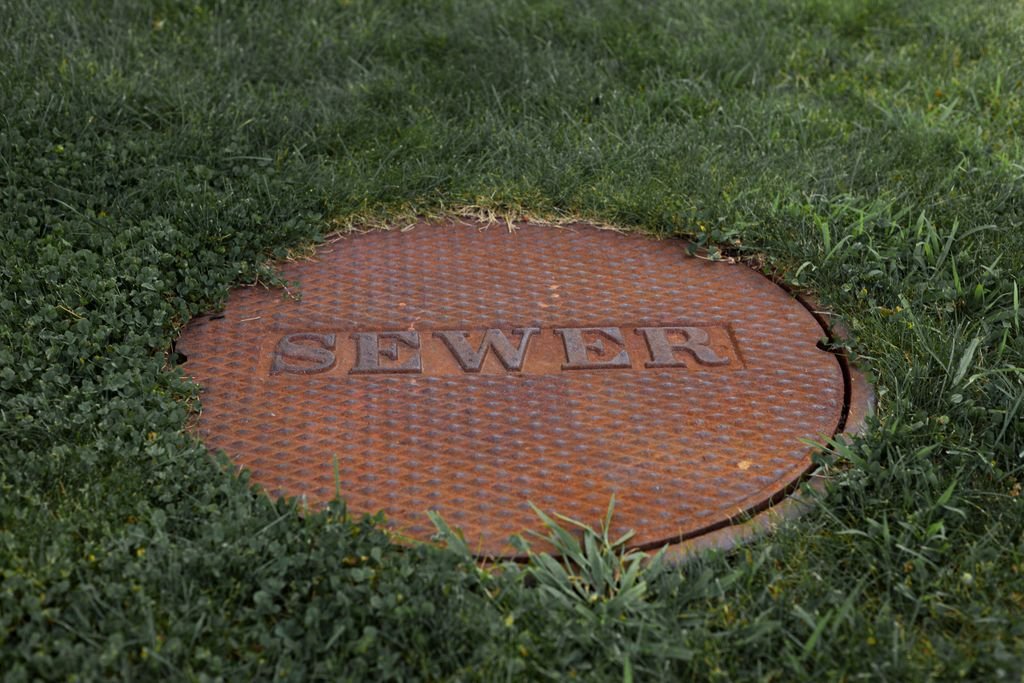
A damaged sewer line can cause slow drains, foul odors, soggy areas in the yard, sewage backups, and expensive excavation. Replacing the pipe may also require removing landscaping, driveways, flooring, or parts of a foundation.
So, does homeowners insurance cover sewer line replacement? A standard homeowners policy may cover the line when it is damaged suddenly by a covered peril, but it usually does not cover replacement caused by age, corrosion, tree roots, ordinary wear, or poor maintenance.
Optional service-line coverage may provide broader protection for a private sewer line. Separate water-backup coverage may protect the house and belongings when sewage backs up inside, but it generally does not replace the broken pipe itself.
The correct answer depends on:
- Who owns the damaged section
- Where the break occurred
- What caused the damage
- Whether the policy includes a service-line endorsement
- Whether sewage entered the home
- Applicable limits, deductibles, and exclusions
When Homeowners Insurance May Cover a Sewer Line
A standard policy may help pay for sewer-line damage when a sudden event covered by the policy directly damages a line located on the insured property.
Potentially covered causes may include:
- Fire
- Explosion
- Lightning
- Vandalism
- Vehicle impact
- Falling objects
- Certain sudden accidental events
Progressive explains that standard homeowners insurance may cover a private sewer line when a covered peril causes the damage. Its guide to insurance for sewer lines also notes that an endorsement may provide broader protection.
Coverage is less likely when the pipe fails because it has gradually deteriorated.
When Sewer-Line Replacement Is Usually Not Covered
Many sewer lines fail because of age, environmental conditions, and recurring maintenance problems. These causes are commonly excluded from standard homeowners coverage.
Wear and Tear
Every pipe has a limited useful life. Older pipes can weaken, crack, separate, or collapse gradually.
Homeowners insurance is not intended to function as a maintenance plan. If an inspection determines that the sewer line failed because of normal deterioration, the homeowner will normally pay for replacement.
Corrosion and Rust
Metal sewer pipes can corrode over time. Even when the resulting failure feels sudden, the underlying corrosion may be classified as gradual deterioration.
Standard insurance will generally not pay to replace a pipe that has reached the end of its service life.
Tree-Root Intrusion
Roots can enter through small openings and expand inside a sewer line. Over time, they may block wastewater flow, separate joints, or damage the pipe.
Standard homeowners insurance commonly excludes root-related sewer-line replacement because the damage develops gradually. A service-line endorsement may cover root intrusion if it is listed as an insured cause.
Clogs and Blockages
A blocked line does not necessarily mean that the pipe needs replacement. Grease, non-flushable materials, debris, and damaged joints can restrict wastewater flow.
Routine cleaning and blockage removal are generally considered maintenance expenses. Insurance may become relevant if a blockage causes a separate covered loss and the policy includes appropriate water-backup protection.
Poor Construction or Installation
Insurance typically does not pay to correct defective workmanship, improper slope, unsuitable pipe materials, or a poorly installed connection.
A contractor’s insurance, workmanship warranty, builder’s warranty, or legal claim may be more relevant when defective installation caused the failure.
Neglect
Coverage may be denied if the homeowner knew about repeated backups, leaking wastewater, or other warning signs but failed to take reasonable corrective action.
Prompt inspection and maintenance records can become important during a claim investigation.
Ground Movement
Damage caused by settling, earthquakes, sinkholes, landslides, soil movement, or other excluded earth movement is often not covered under a standard policy.
Related structural damage may also be excluded. Our guide explains when homeowners insurance may cover foundation repair after an insured event.
Standard Insurance vs. Service-Line Coverage
Service-line coverage is an optional endorsement that may be added to a homeowners policy. It is also called buried utility-line coverage.
This endorsement can protect underground lines connecting a house to public utility systems, including:
- Sewer lines
- Water lines
- Gas lines
- Electrical lines
- Internet and communication cables
Depending on the insurer, service-line coverage may protect against causes commonly excluded by basic homeowners insurance, such as:
- Wear and tear
- Rust
- Corrosion
- Tree roots
- Freezing
- Mechanical breakdown
- Weight from vehicles or equipment
- Electrical failure
According to Progressive’s service-line coverage explanation, covered expenses may include repair or replacement, excavation, and certain landscaping restoration. Limits and deductibles vary by insurer and policy.
Before relying on an endorsement, confirm:
- Whether sewer lines are included
- Where coverage begins and ends
- The maximum payment per occurrence
- The deductible
- Whether excavation is covered
- Whether driveways and landscaping are restored
- Whether older pipes are eligible
- Whether tree-root damage is covered
- Whether septic lines or systems are excluded
- Whether temporary accommodation is included
Service-Line Coverage and Water-Backup Coverage Are Different
These two endorsements address different losses and are often confused.
Service-Line Coverage
Service-line coverage generally protects the physical underground pipe or utility line.
It may help pay for:
- Locating the break
- Excavation
- Repairing the damaged pipe
- Replacing the line
- Restoring disturbed soil
- Limited landscaping or hardscape restoration
Water-Backup Coverage
Water-backup coverage generally protects the interior of the home and personal property when water or sewage enters through a sewer, drain, or sump-pump system.
It may help pay for:
- Removing sewage
- Drying and cleaning the affected area
- Repairing floors and walls
- Replacing covered belongings
- Mold remediation when resulting from a covered backup and allowed by the policy
- Temporary accommodation when policy requirements are met
However, it may not pay to repair the sewer pipe that caused the backup.
Progressive states that sewer or drain backup is typically excluded from standard homeowners insurance, while optional water-backup coverage may cover resulting damage to the home and belongings.
A homeowner may need both endorsements for more complete protection.
Sewer Backup, Flooding, and Pipe Failure
The source of water or sewage matters.
| Event | Coverage that may apply |
|---|---|
| A covered peril directly damages the private sewer line | Standard policy may apply |
| The private line fails because of corrosion or roots | Service-line coverage may apply |
| Sewage backs up through a drain | Water-backup endorsement may apply |
| External floodwater enters the home | Separate flood insurance may apply |
| Municipal sewer infrastructure breaks | Municipality or its insurer may be responsible |
| A contractor damages the line | Contractor’s liability insurance may apply |
| A defective line fails after construction | Builder or contractor warranty may apply |
A flood policy, water-backup endorsement, and service-line endorsement are not interchangeable.
Who Is Responsible for the Sewer Line?
Responsibility generally depends on the location of the failure and local utility rules.
A homeowner may be responsible for the private lateral running:
- From the house to the property boundary
- From the house to the curb
- From the house all the way to the public sewer main
In other locations, the utility may accept responsibility after a particular connection point.
For example, New York City states that property owners are responsible for their private water and sanitary sewer service lines extending from the property to the city mains. Other municipalities use different boundaries and rules.
Do not assume the city is responsible merely because the break is beneath a sidewalk or street.
Contact the local sewer authority and ask:
- Where does private responsibility end?
- Does the utility inspect the public main?
- Is a permit required for excavation?
- Who must repair a damaged connection?
- Are approved contractors required?
- Does the city offer an optional line-protection program?
Obtain the answer in writing when possible.
Does Homeowners Insurance Cover Excavation?
Excavation can represent a significant part of a sewer-line replacement project.
Standard insurance may cover necessary excavation when the pipe was damaged by a covered peril and the policy covers the line. Service-line coverage may also include excavation for a covered failure.
Coverage may extend to removing and restoring:
- Soil
- Grass
- Shrubs
- Walkways
- Driveways
- Patios
- Interior flooring
- Concrete slabs
However, restoration may be subject to limits. The insurer may pay only for the area necessary to access the damaged pipe rather than replacing an entire matching driveway, patio, or floor.
Ask whether the policy covers:
- Tear-out and access
- Debris removal
- Backfilling
- Repaving
- Landscaping
- Code upgrades
- Trenchless replacement
- Temporary utility services
What About Damage Inside the House?
A broken or blocked sewer line may damage floors, walls, cabinets, furniture, electronics, and other belongings.
Whether that resulting damage is covered depends on how the sewage entered and which endorsements are active.
A standard policy often excludes water that backs up through sewers or drains. Water-backup coverage may be required even when the damage inside the house is sudden.
This distinction is similar to other household failures: insurance may cover resulting damage without paying to replace the worn component that caused it. See how coverage can differ between a failed unit and resulting water damage in our guide to water-heater leaks and replacement.
Common Sewer-Line Claim Examples
Example 1: Vehicle Impact
A vehicle leaves the driveway and damages a shallow private sewer line. If vehicle impact is covered and the line is insured under the policy, repair or replacement may qualify.
Example 2: Tree Roots
Roots gradually enter the sewer line and cause it to collapse. A standard policy is unlikely to cover replacement. A service-line endorsement may apply if root intrusion is a covered cause.
Example 3: Corroded Pipe
A decades-old metal sewer line fails because of corrosion. Standard homeowners coverage will usually exclude the pipe replacement. Optional service-line coverage may provide protection.
Example 4: Sewage Backup
A blockage causes sewage to enter the basement and damage flooring. Water-backup coverage may pay for cleanup and covered interior damage. It may not pay to replace the blocked sewer line.
Example 5: Municipal Main Failure
A public sewer main fails outside the homeowner’s area of responsibility. The city or utility may be responsible, depending on local law and the cause of the loss.
Example 6: Contractor Damage
A contractor accidentally breaks the sewer line while excavating. The contractor’s liability insurance may be responsible. The homeowners insurer may investigate and seek reimbursement where coverage applies.
How to Handle a Suspected Sewer-Line Failure
1. Stop Using Water When Necessary
If sewage is backing up or drains throughout the house have stopped working, reduce water use immediately.
Avoid running:
- Toilets
- Showers
- Washing machines
- Dishwashers
- Sinks
Continued use can increase interior damage.
2. Protect People and Pets
Sewage may contain harmful contaminants. Keep children and pets away from affected areas.
Avoid direct contact and use qualified remediation professionals for significant contamination.
3. Document the Damage
Take photographs and videos showing:
- Sewage entry points
- Damaged rooms
- Affected belongings
- Visible yard damage
- Excavation areas
- The condition of the pipe
- Emergency cleanup
Keep copies of all inspection reports and receipts.
4. Contact the Local Utility
Ask the sewer authority to determine whether the public main is functioning correctly and whether the break falls within its area of responsibility.
5. Arrange a Camera Inspection
A licensed plumber or sewer contractor can insert a camera into the line to identify:
- Cracks
- Root intrusion
- Corrosion
- Blockages
- Separated joints
- Collapsed sections
- The approximate location of the failure
Request video footage and a written report. The cause identified by the inspection can affect insurance coverage.
6. Review Your Policy
Look for:
- Service-line coverage
- Water-backup coverage
- Dwelling coverage
- Other-structures coverage
- Wear-and-tear exclusions
- Earth-movement exclusions
- Flood exclusions
- Tear-out or access provisions
- Landscaping limits
- Ordinance or law coverage
- Applicable deductibles
7. Notify the Insurer Promptly
If a covered loss may have occurred, notify the insurer before completing permanent repairs when reasonably possible.
Emergency measures may be necessary, but give the insurer an opportunity to inspect the damage. Keep removed pipe sections if requested and safe to do so.
Questions to Ask Before Filing a Claim
Ask the insurer or agent:
- Is the damaged section my responsibility?
- Does my policy include service-line coverage?
- Is tree-root intrusion covered?
- Is wear and tear covered by the endorsement?
- Does water-backup coverage apply to the interior damage?
- Are excavation and access costs covered?
- Will the policy restore landscaping or pavement?
- What deductible applies?
- What is the maximum service-line limit?
- Do I need approval before replacement begins?
- Will a claim inspection be required?
- Is trenchless replacement eligible?
Get important coverage decisions and claim denials in writing.
Insurance, Warranty, or Utility Protection Plan?
Homeowners may have several ways to protect a sewer line.
Insurance Endorsement
A service-line endorsement is attached to the homeowners policy and is governed by its definitions, exclusions, limits, and claim procedures.
Home Warranty
Some home-warranty contracts offer optional protection for exterior sewer lines. Coverage may be limited by age, cause, waiting periods, and repair caps.
Utility Protection Plan
Some municipalities or utility companies partner with third-party providers to offer voluntary repair plans.
The Office of the Ohio Consumers’ Counsel explains that utility-line warranties are designed to cover some or all repair costs for lines that are the customer’s responsibility.
Before purchasing a plan, verify:
- Whether it is offered by the utility or a third party
- What section of pipe is covered
- Annual and per-claim limits
- Waiting periods
- Service-call fees
- Contractor restrictions
- Restoration limits
- Preexisting-condition exclusions
- Cancellation terms
A letter displaying a utility’s name does not necessarily mean the city itself provides or guarantees the plan.
How to Reduce Sewer-Line Problems
Not every failure is preventable, but these measures may reduce risk:
- Avoid flushing wipes, grease, and unsuitable materials
- Investigate recurring slow drains
- Repair known leaks promptly
- Have root-prone lines inspected
- Keep records of cleaning and repairs
- Understand the age and material of the pipe
- Avoid planting large trees directly over private service lines
- Contact the utility before excavation
- Use required underground-line location services
- Consider a camera inspection before purchasing an older home
- Review service-line and water-backup options before a loss occurs
Coverage generally cannot be added after the sewer line has already failed.
Frequently Asked Questions
Does homeowners insurance cover a collapsed sewer line?
It may if a sudden covered peril caused the collapse. A standard policy generally will not cover collapse caused by corrosion, age, roots, earth movement, or gradual deterioration. Optional service-line coverage may apply.
Does homeowners insurance cover sewer lines under a slab?
Coverage depends on the cause of the damage and policy language. The cost of accessing the line beneath a slab may be covered when the loss qualifies, while the deteriorated pipe itself may remain excluded.
Does homeowners insurance cover tree roots in a sewer line?
Standard insurance usually does not cover gradual root intrusion. Some service-line endorsements specifically include damage caused by tree roots.
Does homeowners insurance cover sewer backup?
A standard policy commonly excludes sewer and drain backups. Optional water-backup coverage may pay for cleanup and resulting damage to the home and belongings.
Does service-line coverage pay for a full replacement?
It may pay for repair or replacement when a covered cause damages an eligible line. Payment is subject to the endorsement’s limit, deductible, and restoration provisions.
Is the city responsible for a broken sewer line?
The city is generally responsible for public infrastructure, while homeowners are responsible for designated private laterals. The exact boundary varies, so contact the local sewer authority.
Does flood insurance cover sewer backup?
Flood insurance generally does not substitute for water-backup coverage. Whether any damage qualifies depends on the flood policy’s definition of flooding and the direct cause of the loss.
Will a home warranty cover sewer-line replacement?
Some home warranties offer optional exterior sewer-line coverage, but many basic plans do not. Review the contract’s covered causes, limits, waiting periods, and exclusions.
Final Thoughts
Homeowners insurance may cover sewer-line replacement when a sudden covered peril damages a private line, but it usually excludes failures caused by age, corrosion, tree roots, poor installation, and routine wear.
Optional service-line coverage can provide broader protection for the physical pipe, excavation, and certain restoration costs. Water-backup coverage serves a different purpose by protecting the home and belongings when sewage enters through a drain or sewer.
Before filing a claim, determine who owns the damaged section, obtain a camera inspection, identify the cause, and review all applicable endorsements. Understanding the difference between the pipe, the backup, and the resulting interior damage is essential to determining which coverage—if any—may apply.
This article is for general educational purposes only and does not constitute individualized insurance, legal, plumbing, financial, or municipal advice. Coverage and responsibility vary by policy, endorsement, insurer, state, utility rules, and the facts of each loss.