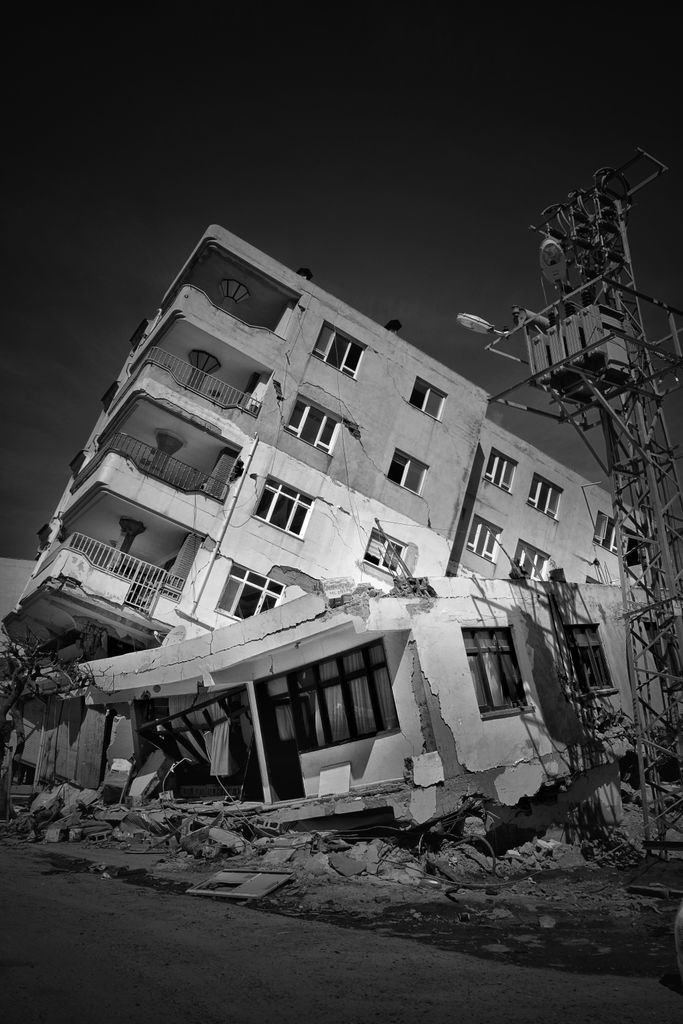
Standard renters insurance generally does not cover personal belongings damaged directly by an earthquake. Earth movement is commonly listed as an exclusion, along with flooding, landslides, and other ground movement.
To protect furniture, electronics, clothing, and other possessions from earthquake damage, renters usually need a separate earthquake policy or an endorsement added to their renters insurance.
Earthquake coverage may also provide additional living expenses when quake damage makes the rental uninhabitable. However, earthquake deductibles can work differently from ordinary renters insurance deductibles and may be calculated as a percentage of the coverage limit.
A standard renters policy may still cover certain events that follow an earthquake, particularly fire. The exact result depends on the policy and state law.
Renters Earthquake Coverage at a Glance
| Earthquake-related loss | Standard renters insurance may cover it? | Earthquake insurance may cover it? |
|---|---|---|
| Furniture damaged by shaking | Usually not | Often |
| Television falls and breaks | Usually not | Often |
| Dishes and household items break | Usually not | Often |
| Fire following an earthquake | Often, depending on policy and state | Usually handled by standard fire coverage |
| Burst pipe caused by shaking | Policy-dependent | Possibly |
| External flooding | No | Usually not |
| Tsunami damage | No | Usually not; flood insurance may be needed |
| Landslide or earth movement | Usually not | May also be excluded |
| Car damaged by falling debris | No | No; comprehensive auto coverage may apply |
| Landlord’s damaged building | No | Landlord needs appropriate property coverage |
| Hotel after covered quake damage | No under standard policy if earthquake is excluded | Possibly through earthquake loss-of-use coverage |
| Theft after an earthquake | Possibly | Depends on the policies and circumstances |
This table shows common coverage treatment. Policy language, insurer, endorsement, location, and state requirements can change the outcome.
Why Standard Renters Insurance Excludes Earthquakes
Standard renters insurance covers personal belongings against specified risks, commonly including:
- Fire
- Smoke
- Theft
- Vandalism
- Wind
- Certain water damage
- Lightning
- Other named perils
Earth movement is normally excluded because one earthquake can cause extensive losses across a large geographic area.
The earthquake exclusion may apply to:
- Earthquakes
- Aftershocks
- Ground shaking
- Earth sinking
- Earth rising or shifting
- Landslides
- Mudslides
- Subsidence
The National Association of Insurance Commissioners explains that earthquake damage is not usually included in standard homeowners or renters insurance. Consumers generally need to purchase earthquake coverage separately. Review the NAIC’s explanation of common insurance exclusions.
Read the exclusion in your policy carefully. Some policies define different forms of earth movement separately, and purchasing earthquake insurance may not remove every earth-movement exclusion.
What Does Renters Earthquake Insurance Cover?
Renters earthquake insurance primarily protects personal belongings rather than the rental building.
Potentially covered possessions include:
- Furniture
- Televisions
- Computers
- Clothing
- Kitchenware
- Small appliances
- Sporting equipment
- Books
- Rugs
- Other household property
Coverage is subject to the personal-property limit, deductible, special limits, exclusions, and valuation method.
The California Earthquake Authority states that its renters coverage can protect furniture, appliances, clothing, sporting goods, electronics, and other eligible belongings damaged or destroyed by an earthquake. Review CEA earthquake coverage for renters.
Coverage outside California differs by insurer. In some states, earthquake protection is added through an endorsement, while other insurers sell a separate policy.
Does the Landlord’s Insurance Cover a Renter’s Belongings?
A landlord’s earthquake or property policy normally protects the building rather than possessions belonging to tenants.
The landlord may insure:
- Roof
- Walls
- Foundation
- Windows
- Doors
- Installed flooring
- Built-in cabinets
- Plumbing
- Electrical system
A renter needs personal-property earthquake coverage for belongings such as furniture, clothing, and electronics.
This distinction applies even if:
- The earthquake damaged both the building and your property.
- The landlord required you to leave.
- The building’s structural failure damaged your possessions.
- The landlord maintained earthquake insurance.
- You did not cause the loss.
If you are unsure whether your limit is adequate, calculate how much personal property coverage you need using the current replacement cost of your belongings.
Does Renters Insurance Cover Fire After an Earthquake?
Fire following an earthquake may be covered by standard renters insurance even when direct earthquake damage is excluded.
For example:
- An earthquake ruptures a gas line.
- The gas ignites and causes a fire.
- The fire damages your clothing and furniture.
The direct shaking damage may be excluded, while eligible fire damage may be covered under the standard renters policy.
California law specifically requires homeowners and renters insurance to cover fire damage caused by or following an earthquake. The California Department of Insurance advises consumers to contact their regular property insurer after earthquake damage rather than assuming the entire loss is excluded. Read California’s earthquake insurance guidance.
Outside California, coverage depends on state law and policy wording. Ask your insurer whether the policy covers:
- Fire following an earthquake
- Explosion caused by an earthquake
- Smoke damage
- Theft after earthquake damage
- Broken glass
- Sprinkler leakage
The earthquake policy may exclude losses already covered by standard renters insurance to prevent duplicate payments.
What About Water Damage After an Earthquake?
Water damage after an earthquake requires careful examination of the cause.
Possible situations include:
- Shaking breaks an interior water pipe.
- A water heater ruptures.
- A fire sprinkler activates.
- A sewer backs up.
- A dam fails.
- A tsunami reaches the property.
- A nearby river floods.
Standard renters insurance may cover certain sudden internal water events in ordinary circumstances, but its earth-movement exclusion could apply when the earthquake caused the pipe or appliance to break.
Earthquake insurance may cover some resulting damage, but coverage depends on the policy. External floodwater, sewer backup, tsunami, and water flowing across the ground are commonly excluded.
The NAIC notes that earthquake insurance usually does not cover external water damage, such as flooding or sewer and drain backup. Separate flood coverage may be necessary. See the NAIC’s earthquake-preparation guidance.
File a claim or contact both insurers when the cause is unclear. Do not decide for yourself that the entire loss must be excluded.
Our guide explaining when renters insurance covers water damage provides more detail about internal leaks, flooding, and sewer backup.
Does Earthquake Insurance Cover a Tsunami?
Earthquake insurance generally does not cover tsunami damage because insurers normally classify a tsunami as flooding or external water damage.
Separate flood insurance may cover eligible personal belongings damaged by tsunami water, subject to the flood policy’s definitions and limitations.
The same distinction can apply when an earthquake causes:
- Coastal flooding
- Lake overflow
- Dam failure
- River flooding
- Mudflow meeting a flood-policy definition
A renter living near the coast or another flood source may need both earthquake and flood insurance.
Does Renters Earthquake Insurance Cover Temporary Housing?
Earthquake loss-of-use coverage may pay reasonable additional living expenses when covered quake damage prevents you from living in your rental.
Potentially covered expenses include:
- Hotel or temporary rental
- Additional meal costs
- Extra transportation
- Laundry
- Moving
- Temporary storage
Coverage may also apply when a civil authority prohibits access because of earthquake damage, depending on the policy.
The California Earthquake Authority includes loss-of-use protection in its renters policy. CEA offers several selectable limits and states that its renters loss-of-use coverage has no deductible. Review CEA renters coverage limits and deductibles.
A standard renters policy’s loss-of-use coverage usually will not pay when the only reason the home is uninhabitable is an excluded earthquake.
Learn how qualifying hotel and additional expenses normally work under renters insurance loss-of-use coverage.
How Does an Earthquake Insurance Deductible Work?
An earthquake deductible may be calculated as a percentage of the personal-property coverage limit rather than a fixed dollar amount.
Suppose your renters earthquake policy has:
Personal-property coverage: $30,000
Earthquake deductible: 10%
Covered earthquake damage: $20,000
First calculate the deductible:
$30,000 × 10% = $3,000 deductible
Then calculate the potential payment:
$20,000 covered damage − $3,000 deductible = $17,000 potential payment
The deductible is based on the $30,000 coverage limit—not 10% of the $20,000 loss.
Now suppose covered damage is only $2,500:
Covered damage: $2,500
Deductible: $3,000
Potential payment: $0
The damage does not exceed the deductible.
CEA currently offers percentage deductible options for renters’ personal-property coverage and provides a similar example on its official coverage page. Other insurers may offer different percentages, fixed deductibles, or separate treatment for loss-of-use coverage.
Before purchasing a policy, ask:
- Is the deductible a percentage or fixed amount?
- Which coverage limit is used to calculate it?
- Does it apply separately to personal property?
- Is there a deductible for loss of use?
- How are multiple shocks or aftershocks treated?
- When does one seismic event end and another begin?
- Does emergency-repair coverage have a deductible?
Actual Cash Value vs. Replacement Cost
An earthquake claim may settle belongings using actual cash value or replacement cost.
Actual cash value
Actual cash value considers depreciation based on an item’s age, condition, and remaining useful life.
A five-year-old television may receive a settlement substantially below the cost of purchasing a new comparable model.
Replacement cost
Replacement-cost coverage generally pays the eligible cost of replacing an item with a comparable new one, subject to limits and policy conditions.
Some insurers initially pay actual cash value and release recoverable depreciation after you replace the item and submit a receipt.
Confirm the settlement method before purchasing coverage. A high personal-property limit may still leave a gap if the policy pays only depreciated value.
Are Jewelry, Collectibles, and Valuable Items Fully Covered?
Earthquake policies may impose special limits on particular categories of property.
Potentially limited or excluded items include:
- Jewelry
- Watches
- Art
- Collectibles
- Cash
- Securities
- Precious metals
- Business property
- Computers
- Firearms
- Antiques
A valuable-items endorsement attached to standard renters insurance may not automatically cover earthquake damage. You may need specific earthquake protection for scheduled items.
Ask both insurers:
- Does the valuable-items endorsement include earthquakes?
- Does the earthquake policy recognize scheduled values?
- What category limits apply?
- Is breakage covered?
- Is professional appraisal required?
- How are collections valued?
Read our guide to renters insurance jewelry coverage for information about scheduling high-value items.
Does Earthquake Insurance Cover a Car?
Renters earthquake insurance does not cover physical damage to a car, motorcycle, or another motor vehicle.
Comprehensive auto insurance may cover earthquake-related vehicle damage, including:
- Falling debris
- Building collapse
- Broken glass
- Fire
- Earthquake damage
- Certain flood losses
Coverage depends on the auto policy. Liability-only auto insurance does not pay for damage to your own vehicle.
Renters insurance may cover eligible belongings inside the vehicle, but the earthquake exclusion could still apply when shaking caused the loss.
Does Earthquake Insurance Cover Landslides and Sinkholes?
Purchasing earthquake insurance does not necessarily provide coverage for every type of earth movement.
Policies may separately exclude:
- Landslides
- Mudslides
- Sinkholes
- Subsidence
- Erosion
- Soil expansion
- Ground settling
- Land stabilization
- Damage to land
Read the definitions and exclusions carefully. Ask the insurer to explain whether the policy covers only seismic shaking or additional forms of earth movement.
If landslide or sinkhole risk is relevant to your location, determine whether separate specialty coverage is available.
California Earthquake Insurance for Renters
California renters can generally purchase earthquake insurance through an insurer participating in the California Earthquake Authority or through another company offering residential earthquake coverage.
CEA renters policies can include:
- Personal-property coverage
- Loss-of-use coverage
- Emergency-repair coverage
- Several personal-property limits
- Multiple deductible options
The CEA coverage page states that personal-property limits and loss-of-use limits can be selected from available options. Its loss-of-use protection can help with additional expenses when earthquake damage or a civil authority prevents the renter from occupying the rental.
Important points for California renters include:
- Standard renters insurance generally excludes direct earthquake damage.
- California standard renters insurance must cover fire following an earthquake.
- The landlord’s earthquake policy does not protect tenant-owned belongings.
- CEA coverage must generally be obtained through a participating residential insurer.
- Policy limits, deductibles, exclusions, and available options should be compared carefully.
Do not assume the lowest-priced option provides enough protection to replace your possessions or finance temporary accommodation.
Do Renters Outside California Need Earthquake Insurance?
Earthquake exposure is not limited to California.
Other potentially affected regions include parts of:
- Washington
- Oregon
- Alaska
- Nevada
- Utah
- Idaho
- Hawaii
- Missouri
- Arkansas
- Tennessee
- Illinois
- Kentucky
- South Carolina
- Oklahoma
Availability and risk vary by location.
The NAIC has specifically examined the earthquake protection gap in the New Madrid Seismic Zone, which spans parts of several central U.S. states. Its research confirms that traditional renters and homeowners policies generally exclude earthquake losses. Review the NAIC’s New Madrid earthquake report.
Ask a local licensed insurance professional about:
- Nearby faults
- Historical earthquake activity
- Building type and age
- Whether your apartment is retrofitted
- Replacement value of your possessions
- Available earthquake policies
- Deductible options
- Premium
- Loss-of-use limits
Is Renters Earthquake Insurance Worth It?
Earthquake insurance may be worth considering when:
- You live in an earthquake-prone area.
- Replacing your belongings would create financial hardship.
- You have expensive electronics or furniture.
- You would need money for temporary housing.
- The building is older or vulnerable.
- You live above the ground floor.
- Affordable coverage with a manageable deductible is available.
- You lack savings sufficient to replace essential possessions.
It may provide less practical benefit when the deductible is so high that a likely belongings claim would not exceed it.
Consider this example:
Value of possessions: $15,000
Coverage limit: $15,000
Deductible: 20%
Dollar deductible: $3,000
Calculation:
$15,000 × 20% = $3,000
Ask whether you could afford to replace essential property and pay for temporary housing without insurance. Then compare that financial exposure with the premium, deductible, and exclusions.
Questions to Ask Before Buying Coverage
Ask the insurance agent or company:
- Does my current renters policy exclude all earthquake damage?
- Is earthquake coverage an endorsement or separate policy?
- What personal-property limits are available?
- Is settlement based on replacement cost or actual cash value?
- How is the deductible calculated?
- Does loss-of-use coverage have a separate deductible?
- How much temporary-housing coverage is included?
- Is fire following an earthquake covered by my regular policy?
- What water damage is covered?
- Are tsunami, flood, landslide, and sinkhole losses excluded?
- Are valuables and business equipment limited?
- How does the policy define a seismic event?
- Is emergency-repair coverage included?
- Can coverage be purchased immediately after an earthquake?
Insurers may temporarily stop writing new earthquake policies after significant seismic activity. Purchase protection before you need it.
How to Prepare for an Earthquake Claim
Create a home inventory
Photograph every room and record:
- Item description
- Brand and model
- Serial number
- Purchase date
- Original price
- Current replacement cost
- Receipt or other proof of ownership
Store a copy online or outside the rental.
Secure belongings
When permitted by the landlord:
- Anchor tall furniture.
- Secure televisions and monitors.
- Use cabinet latches.
- Keep heavy objects on lower shelves.
- Secure water heaters through the property owner.
- Avoid placing heavy frames above beds.
Protect important documents
Maintain accessible copies of:
- Renters policy
- Earthquake policy
- Lease
- Identification
- Inventory
- Emergency contacts
- Medical information
Understand the building plan
Ask the landlord where to find:
- Emergency exits
- Gas shutoff procedures
- Water shutoff
- Fire extinguishers
- Assembly points
- Emergency contact information
Do not shut off gas unless instructed or you detect signs of a leak.
How to File an Earthquake Insurance Claim
1. Prioritize safety
Check for injuries, fire, gas leaks, unstable ceilings, broken glass, damaged wiring, and falling objects.
2. Notify the landlord
Report building damage immediately. The landlord must assess the structure and arrange necessary repairs.
3. Contact all potentially relevant insurers
You may need to contact:
- Earthquake insurer
- Standard renters insurer
- Auto insurer
- Flood insurer
For example, the earthquake policy may handle shaking damage while the renters policy handles covered fire damage.
4. Photograph the damage
Take wide and close-up photographs before moving belongings when safe.
5. Prevent additional loss
Move property away from hazards or cover it temporarily if safe. Keep emergency-repair receipts.
6. Do not discard property prematurely
Keep damaged items until the adjuster authorizes disposal unless they create a serious health or safety hazard.
7. Document additional living expenses
Save receipts for hotels, meals, transportation, laundry, storage, and moving expenses.
8. Maintain a claim log
Record:
- Claim numbers
- Adjuster names
- Dates and times
- Documents submitted
- Inspection appointments
- Decisions and explanations
Frequently Asked Questions
Does normal renters insurance cover earthquake damage?
Usually not. Direct damage from earthquakes and earth movement is commonly excluded. Separate earthquake coverage is generally required.
Does renters insurance cover fire caused by an earthquake?
It may. California law specifically requires standard renters insurance to cover fire caused by or following an earthquake. Elsewhere, check the policy and state rules.
Does earthquake insurance cover broken furniture and electronics?
Renters earthquake personal-property coverage may pay for eligible furniture, electronics, clothing, and other belongings damaged by shaking, subject to limits and the deductible.
Will earthquake insurance pay for a hotel?
It may if the policy includes loss-of-use coverage and covered earthquake damage or a qualifying civil-authority restriction prevents you from occupying the rental.
Does the landlord’s earthquake insurance cover renters?
The landlord’s policy generally covers the building, not possessions belonging to tenants. Renters need their own coverage.
Does earthquake insurance cover tsunami damage?
Usually not. Tsunami water is generally treated as flooding and may require a separate flood policy.
Is an earthquake deductible based on the claim amount?
A percentage deductible is commonly based on the applicable coverage limit, not the amount of the loss. Read the declarations page to confirm.
Can I buy earthquake insurance after an earthquake?
Availability may be temporarily restricted after an earthquake or during elevated seismic activity. Coverage also does not apply retroactively to existing damage.
Are aftershocks covered?
Policies generally define how multiple shocks are grouped into a single seismic event. The time period and deductible treatment vary, so check the policy definition.
Final Thoughts
Does renters insurance cover earthquakes? Standard renters insurance generally excludes direct damage caused by earthquakes and other earth movement.
Renters can purchase separate earthquake insurance or an endorsement that may protect furniture, electronics, clothing, and other personal belongings. Coverage may also help with temporary housing when earthquake damage makes the rental uninhabitable.
Standard renters insurance may still cover fire following an earthquake, particularly where state law requires it. External flooding, tsunami, landslide, and vehicle damage generally require different insurance or may remain excluded.
Before purchasing coverage, compare the personal-property limit, loss-of-use protection, valuation method, exclusions, premium, and percentage deductible. A low premium is not helpful if the deductible exceeds the value of the loss you are likely to claim.
Create a home inventory, secure vulnerable belongings, and understand which insurer handles each type of earthquake-related damage. After a loss, contact the relevant insurers instead of assuming that every consequence of the earthquake is excluded.
This article provides general educational information and does not constitute individualized insurance, legal, financial, or emergency-preparedness advice. Coverage depends on the insurer, policy, endorsements, exclusions, location, and facts of the loss. Consult appropriately qualified professionals regarding your circumstances.