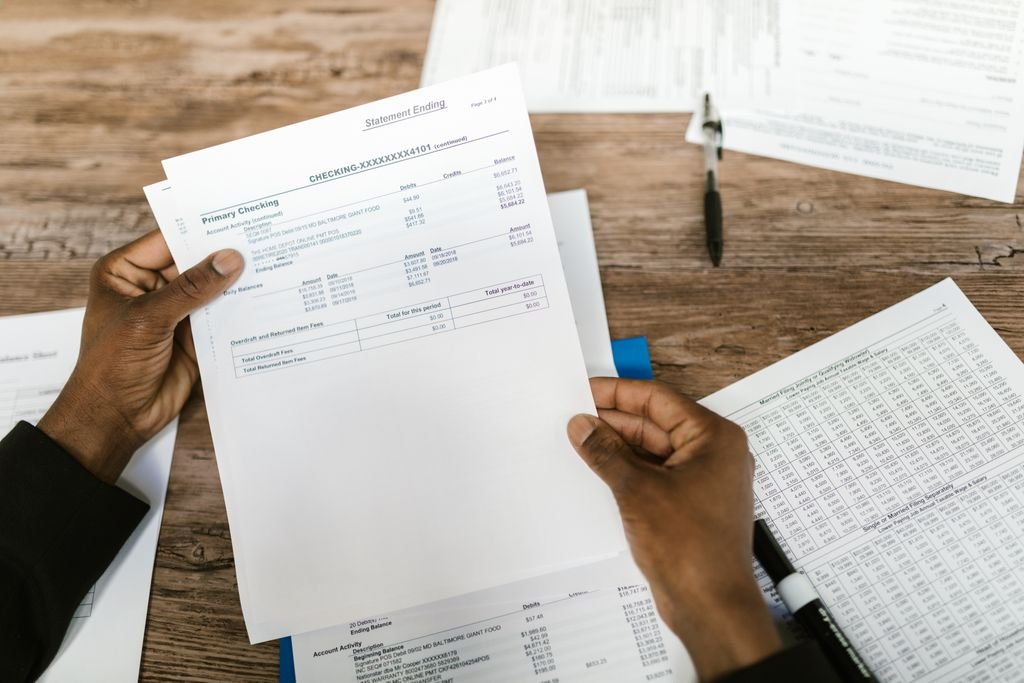
A collection account can make borrowing more difficult, but its appearance on your credit report does not automatically mean you must accept it as correct. You may be able to have a collection removed or corrected if it is not yours, contains inaccurate information, cannot be verified, resulted from identity theft, or has remained on your report beyond the permitted reporting period.
If the collection is accurate and timely, however, there is no guaranteed legal method for forcing its deletion. Paying or settling it may resolve the debt and update its status, but payment alone does not necessarily erase the account from your credit reports.
This guide explains how to get a collection off of your credit report using legitimate dispute and verification procedures—and what realistic options remain when the information is accurate.
Quick answer: Obtain all three credit reports, identify exactly what is wrong, collect supporting documents, dispute the error with every bureau reporting it, and send a separate written dispute to the company furnishing the information. If identity theft is involved, use the federal identity-theft recovery process. If the collection is accurate, focus on resolving the debt and rebuilding credit rather than paying a company that promises a guaranteed deletion.
When Can a Collection Be Removed?
The appropriate action depends on why the collection appears.
| Situation | Best next step | Likely result |
|---|---|---|
| The account is not yours | Dispute it with the credit bureau and furnisher | Removal if it cannot be verified as yours |
| The balance, dates, owner, or status is wrong | Submit a specific, documented dispute | Correction or removal of inaccurate data |
| The same debt appears more than once inaccurately | Dispute the duplicate reporting | Correction or removal of the improper duplicate |
| The debt resulted from identity theft | Create an IdentityTheft.gov report and request a block | Fraudulent information may be blocked after required documents are provided |
| The collection is too old to be reported | Dispute it as obsolete | Removal if it exceeds the applicable reporting period |
| The collector cannot verify disputed information | Preserve the response and dispute with the appropriate parties | Unverifiable information may need to be removed or corrected |
| The collection is accurate and timely | Consider payment, settlement, or a carefully documented deletion request | Status may update; deletion is not guaranteed |
1. Get Your Credit Reports From All Three Bureaus
Start at AnnualCreditReport.com, the federally authorized source for free reports from Equifax, Experian, and TransUnion. A collection may appear on one report, two reports, or all three, and the details can differ.
Download or save a copy of each report before making changes. For every collection, record:
- The collection agency’s name and contact information
- The original creditor
- The masked account number
- The reported balance
- The date the account first became delinquent, if shown
- The date the collector began reporting
- The account status and payment status
- Which bureaus display it
Do not rely only on a score-monitoring app. The underlying credit-report data is what you need to examine and dispute.
If you are also trying to understand why different services display different numbers, read Credit Score vs. FICO Score.
2. Identify the Exact Error
A vague statement such as “I do not like this collection” is not a useful dispute. Identify the precise factual problem and gather evidence supporting your position.
Common collection errors include:
- The debt belongs to someone with a similar name
- The account resulted from identity theft
- You already paid the debt, but it is still shown as unpaid
- The balance includes incorrect fees or payments are missing
- The original creditor is wrong or cannot be identified
- The same debt is being reported inaccurately more than once
- The account was re-aged using a later delinquency date
- The collection is older than the applicable reporting limit
- The collector is reporting an account it no longer owns or services
- The report does not show that you dispute the debt after a qualifying dispute
An account can be unpleasant yet still accurate. Credit bureaus are not required to delete correct negative information merely because it lowers a score. The Consumer Financial Protection Bureau (CFPB) warns that no one has a right to remove accurate negative information simply by calling it credit repair.
3. Collect Documents Before You Dispute
Create a separate folder for each collection. Useful documents may include:
- The relevant page of your credit report
- Billing statements and payment confirmations
- Bank statements with unrelated transactions redacted
- Letters or emails from the original creditor or collector
- Settlement agreements
- Proof that insurance paid a medical bill
- Court records, where relevant
- An identity-theft report
- Prior dispute letters and investigation results
Send copies, not originals. Redact information that the recipient does not need, but leave enough detail to connect your evidence to the disputed account.
Keep a simple timeline showing the date you discovered the item, whom you contacted, what you sent, when it was delivered, and the response deadline. Documentation matters if you later need to escalate the problem.
4. Dispute the Collection With Each Credit Bureau Reporting It
You can dispute online, by mail, or sometimes by phone. A written dispute can make it easier to present a clear narrative and maintain a complete paper trail. If you mail it, the CFPB says you may use certified mail and request a return receipt.
Your dispute should include:
- Your full name, current address, and contact information.
- The credit-report confirmation number, if available.
- The collector’s name and the account number as displayed.
- A concise explanation of the specific error.
- The correction or deletion you are requesting.
- A copy of the report page with the item highlighted.
- Copies of supporting documents.
For example:
I am disputing collection account ending in 1234 because the reported balance is incorrect. The report shows $1,200, but the enclosed settlement confirmation and payment receipt show that the agreed $800 settlement was paid on May 3. Please investigate and update the balance and status to reflect the verified information, or remove the item if it cannot be verified.
Do not use a generic “609 letter” downloaded from a questionable website. Section 609 of the Fair Credit Reporting Act concerns disclosure rights; it is not a secret deletion shortcut. A factual, specific dispute supported by evidence is more credible.
The CFPB’s credit-report dispute guide links to current bureau contact information and sample letters.
5. Dispute the Information With the Furnisher
The credit bureau is only one side of the process. The furnisher—the collection agency or other company that supplied the data—should also receive a direct dispute.
Send it to the address shown on your credit report or to the company’s designated address for credit-report disputes. State the same specific error and include supporting documents. Avoid sending inconsistent explanations to the bureau and furnisher.
According to the CFPB, furnishers generally must investigate and respond within 30 days after receiving a dispute. If the information is wrong or cannot be verified, the furnisher must update or remove it and notify the credit-reporting companies to which it supplied the information.
This process is distinct from asking a debt collector to validate a debt.
6. Request Debt Validation When Appropriate
When a third-party debt collector first contacts you, it generally must provide validation information in the initial communication or within five days. The notice normally identifies the collector, creditor, account, itemized amount, current balance, and the end date of a 30-day dispute period.
If you send a written dispute or request for original-creditor information within that 30-day period, the collector generally must pause collection of the disputed amount until it adequately responds. The CFPB explains these rights in its debt-validation notice guide.
A validation request might ask for:
- The name and address of the original creditor
- An itemization of the balance, interest, fees, payments, and credits
- Information showing that you are the correct consumer
- Information showing the collector is authorized to collect
Debt validation and a credit-report dispute serve different purposes. Validation addresses the collector’s collection activity and information about the debt; a bureau dispute challenges the accuracy or completeness of credit-report data. Depending on the facts, you may need both.
7. Review the Investigation Results
Credit-report disputes are generally investigated within 30 days, though certain circumstances can extend the period. Review the results rather than assuming “completed” means corrected.
Check whether the account was:
- Deleted
- Corrected
- Verified without change
- Added back after a prior deletion
Then pull or review the updated report. If the item remains, compare the bureau’s response with your original evidence. A dispute can be deemed frivolous or irrelevant if it lacks enough detail, so correct any missing information before resubmitting.
If the information is still wrong:
- Send a focused follow-up with new or overlooked evidence.
- Contact the furnisher’s compliance or executive-resolution department.
- Ask the bureau to include a statement of dispute in your file.
- Submit a complaint to the CFPB after completing the dispute process and preserving your records.
- Consult a consumer-law attorney if the error is causing significant financial harm or remains unresolved.
Do not repeatedly send the same unsupported dispute. It can delay progress and may be treated as frivolous.
Special Case: Identity Theft
If the collection arose from identity theft, do not treat it as an ordinary billing disagreement. Visit IdentityTheft.gov to report the theft and create a personalized recovery plan.
You may need to provide the bureaus with proof of identity, an identity-theft report, and a letter identifying the fraudulent items. Consider adding a fraud alert or security freeze while you review your other accounts.
Also contact the collection agency and original creditor in writing. State that the account is the product of identity theft, request the documents relating to it, and keep copies of everything.
How Long Can a Collection Stay on Your Credit Report?
Most negative account information can generally remain on a credit report for up to seven years. For collection accounts, the critical timeline is tied to the delinquency that led to collection—not the date a collector bought the account or first contacted you.
A collector should not restart the credit-reporting clock by selling, transferring, updating, or receiving payment on the debt. If the collection appears too old, dispute it as obsolete and include records supporting the original delinquency date.
Do not confuse the credit-reporting period with a state statute of limitations for filing a lawsuit. They are separate clocks. In some states, making a payment or acknowledging an old debt may affect the time available to sue. Consider getting state-specific legal advice before acting on an old debt.
Will Paying a Collection Remove It?
Usually, paying a collection does not automatically delete it. The collector may update the balance to zero and mark it paid or settled, while the account remains until it ages off.
Payment can still be worthwhile because it:
- Resolves an outstanding obligation
- May stop further collection activity under the agreement
- Can look better to some lenders than an unpaid collection
- May be ignored or treated differently by some newer scoring models
- Can help with a manual underwriting decision
The score effect varies by scoring model, the rest of your file, and how the collection is reported. No one can truthfully guarantee a specific point increase.
Before paying, confirm who owns the debt, verify the amount, and get any settlement terms in writing. If you are comparing broader repayment approaches, see Debt Management vs. Debt Settlement.
Does Pay for Delete Work?
“Pay for delete” means asking a collector to remove its credit-report tradeline in exchange for payment. You can ask, but the collector is not required to agree, and many furnishers have policies against it. An oral promise is difficult to enforce.
If a collector is willing to consider the request:
- Verify that it owns or services the debt
- Negotiate before sending payment
- Request the exact agreement in writing
- Do not provide unnecessary access to your bank account
- Keep proof of payment and the agreement
Even a written agreement may not remove accurate information reported separately by the original creditor. Never assume a payment automatically buys deletion.
What About a Goodwill Deletion?
A goodwill request asks a creditor or collector to remove an accurate negative item as a courtesy, often after payment. It is not a legal right, and success is uncommon and unpredictable.
If you try it, be honest. Briefly explain the circumstances, show that the account is resolved, and request—not demand—consideration. Do not file a false dispute claiming an accurate account is fraudulent or unverifiable.
Medical Collections Require Extra Care
Medical debt can involve insurance adjustments, provider billing errors, collector transfers, and changing bureau policies. Before paying or disputing:
- Ask the provider for an itemized bill
- Compare the bill with your insurer’s explanation of benefits
- Confirm whether insurance or financial assistance should reduce the balance
- Check how each credit bureau currently handles paid, small-dollar, and recently delinquent medical collections
- Review current federal and state rules, which can change
Avoid relying on an old blog post that promises every medical collection must be deleted. Verify current policy directly with the bureaus and official consumer-protection sources.
How Collections Affect Credit Utilization and Other Debts
A collection account is different from revolving utilization. Paying it usually does not increase the available credit on an open credit card. For that calculation, see Available Credit vs. Credit Limit.
It is also useful to distinguish debts backed by collateral from those that are not. The collection process and practical risks can differ, as explained in Secured vs. Unsecured Debt.
Avoid Credit-Repair Scams
Be skeptical of any company that:
- Guarantees removal of accurate negative information
- Promises a specific credit-score increase
- Demands payment before performing promised services
- Tells you to dispute every item regardless of accuracy
- Advises you to create a new credit identity
- Asks you to misrepresent identity theft
- Refuses to explain your cancellation and legal rights
You can dispute genuine errors yourself for free. Professional help may be appropriate in a complex case, but it should be transparent, lawful, and realistic.
A Practical 30-Day Action Plan
Days 1–3: Audit
- Download all three reports
- List every collection and bureau reporting it
- Identify the exact error or confirm that the item is accurate
Days 4–7: Document
- Gather statements, receipts, letters, and identity-theft records
- Create a dated file for each collection
- Draft a separate, specific dispute for each materially different issue
Days 8–10: Send
- Submit disputes to each bureau reporting the error
- Send a direct dispute to the furnisher
- Send a timely validation request to the collector when applicable
- Save confirmations and delivery records
Days 11–30: Monitor
- Log every response
- Avoid sending conflicting explanations
- Prepare a concise escalation package if the error remains
After the investigation, review the updated reports and continue monitoring. If the collection is accurate, decide whether payment or settlement fits your budget without neglecting higher-priority obligations.
Frequently Asked Questions
Can I remove a collection from my credit report myself?
Yes. You can dispute inaccurate, incomplete, obsolete, fraudulent, or unverifiable information directly with the credit bureaus and furnishers at no charge. Accurate, timely information generally cannot be forced off merely because it is negative.
How fast can a collection be removed?
A credit bureau generally has about 30 days to investigate a dispute, although some situations allow additional time. Identity-theft blocks and voluntary deletions follow different processes. Removal is not guaranteed simply because you submit a dispute.
Will disputing a collection hurt my credit score?
Submitting a legitimate dispute does not itself function like a new loan application or hard inquiry. The eventual score effect depends on whether the account is changed or deleted and on the scoring model and rest of your credit file.
Can a paid collection stay on my report?
Yes. A paid collection may remain with a zero balance and paid or settled status until its permitted reporting period expires. Some scoring models treat paid collections more favorably or ignore them, but lender practices vary.
Can a collection agency remove an account after payment?
It may request deletion if its policies allow, but it is not generally required to do so merely because you paid. Negotiate before payment and obtain any promise in writing, while recognizing that deletion is not guaranteed.
Does a collection restart the seven-year clock when it is sold?
Selling or transferring a collection should not restart the credit-reporting period. The relevant timeline is connected to the delinquency that led to collection. The separate statute of limitations for a lawsuit can follow state-specific rules.
What if the credit bureau says the collection was verified?
Review your dispute and the bureau’s results, obtain additional evidence, and send a more targeted follow-up to the bureau and furnisher. You may also request a statement of dispute, file a CFPB complaint, or consult a consumer-law attorney when a documented error remains.
Should I dispute every collection account?
No. Dispute information only when you have a good-faith reason to believe it is inaccurate, incomplete, obsolete, fraudulent, or cannot be verified. Blanket disputes can be rejected as frivolous and do not create a right to delete accurate information.
Bottom Line
The legitimate way to get a collection off your credit report is to match the remedy to the problem. Errors should be documented and disputed with both the reporting bureau and the furnisher. Identity-theft accounts require the federal recovery and blocking process. Obsolete information should be challenged using the original delinquency timeline.
If the collection is accurate and still reportable, payment or settlement may resolve the debt but does not guarantee deletion. Put every agreement in writing, preserve your records, and avoid companies selling shortcuts that federal law does not provide.
This article is for general educational purposes and is not legal, tax, or individualized financial advice. Credit-reporting rules, debt-collection rights, scoring models, bureau policies, and state limitation periods can change and may differ by situation. Consult the relevant credit bureau, the CFPB, or a qualified consumer-law attorney for advice about your circumstances.