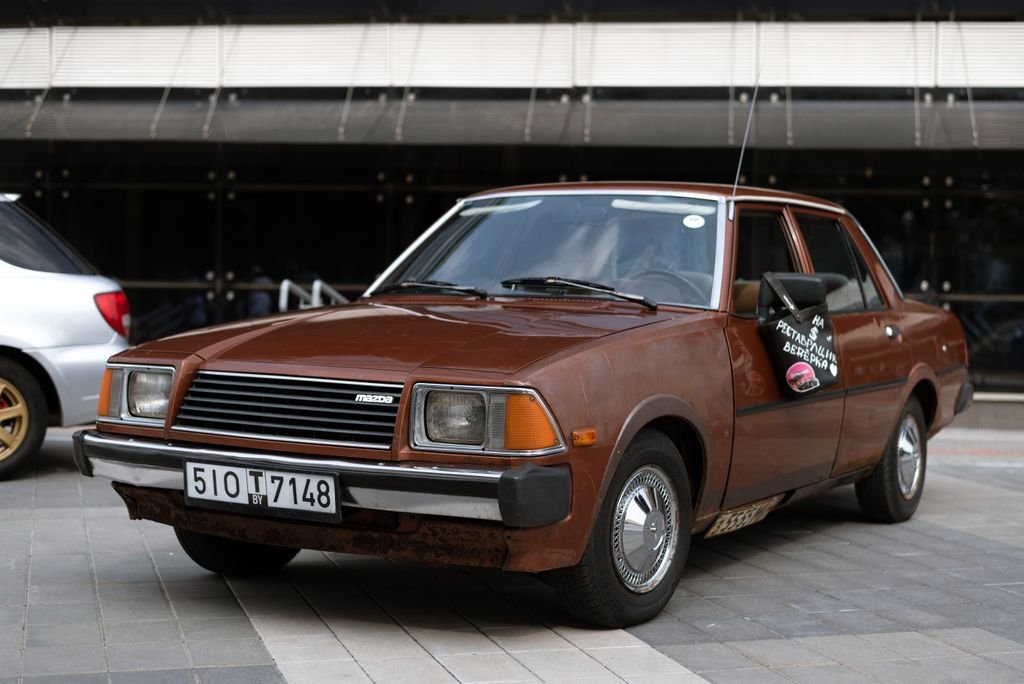
Insure the risks you still face—not simply the age of the car.
Insurance on an old car should reflect its current value, how you use it, your financial exposure and whether you could afford to replace it. An older vehicle may need less physical-damage protection than an expensive newer model, but its age does not eliminate the injuries or property damage you could cause to others.
There is no universal birthday when you should drop collision or comprehensive coverage. Start with your state’s requirements and any loan conditions. Then compare the premium for each optional coverage, the applicable deductible and the money you would need after a covered loss.
Does an Old Car Need Different Insurance?
An everyday older car generally uses standard auto insurance. A collectible driven occasionally may qualify for a specialized policy instead. Progressive’s older-car insurance guide distinguishes daily drivers from collector vehicles and emphasizes checking lender requirements before removing coverage.
Age alone is a poor shortcut. Two cars built in the same year can have very different market values, repair costs and uses. One might be a modest commuter; the other might be a carefully restored collectible. Even two similar commuters can create different financial problems for owners with different savings.
For an overview of the policy components, see our guide to types of auto insurance. Review those components individually instead of treating “insurance” as one all-or-nothing purchase.
Keep Liability Separate From Your Car’s Value
Liability coverage addresses eligible injuries or property damage you cause to others. A car worth $3,000 can still be involved in an accident producing much larger losses. Lowering its physical-damage protection does not automatically justify lowering liability limits.
Confirm the required coverage and limits with your state insurance department or licensed agent. Then consider the consequences of a serious claim exceeding those limits. The relevant question is your liability exposure, not only the resale value of the vehicle you drive.
Our full coverage versus liability comparison explains the distinction between protecting other people and protecting your own car. Ask for separate quotes so you can see exactly what changes when a coverage is removed.
What Collision and Comprehensive Actually Protect
Collision can address covered damage to your vehicle from a crash with another vehicle or an object. Comprehensive addresses specified other events, such as theft, vandalism, fire and weather damage. Neither is a maintenance fund.
Progressive’s coverage comparison explains the different loss triggers and the role of deductibles. A standard total-loss payment generally relates to actual cash value rather than the cost of a new car, minus the applicable deductible.
Ask for the annual premium for collision and comprehensive separately. Comprehensive may be priced differently enough to merit a separate decision. For example, you might be comfortable funding a crash loss but still want eligible theft or hail protection. Confirm which combinations the insurer actually offers.
Estimate the Car’s Current Value
Use the correct model, trim, mileage, equipment and condition when gathering estimates. Compare more than one valuation source and review similar local vehicles. An advertisement is an asking price, not a guaranteed sale price or claim settlement, but it can help you test whether an estimate is plausible.
Progressive’s total-loss FAQ explains that actual cash value reflects factors including pre-loss condition, age, options and mileage. It also notes that the loan balance can exceed the insurance payment. Money you spent maintaining the car does not automatically become its market value.
Keep records of important equipment, condition and recent work. If a total loss occurs, review the valuation report for incorrect mileage, trim or missing features. The Ohio Department of Insurance’s automobile guide illustrates how local comparable vehicles and other valuation methods can be used. Its details are state-specific; ask your regulator about the rules where your claim is handled.
Compare Premium, Deductible and Potential Payment
Consider this simplified hypothetical:
- Estimated pre-loss vehicle value: $4,500.
- Collision deductible: $1,000.
- Annual collision premium: $420.
- Illustrated covered total-loss payment: $3,500 before other applicable adjustments.
The $420 premium purchases protection against an uncertain loss; it is not a deposit toward a future claim. You might pay premiums for years without a collision, or have a covered loss soon after renewal. Comparing the premium with the potential payment helps size the decision, but it does not predict which outcome will occur.
Now consider a different hypothetical car worth $1,800 with the same $1,000 deductible. The illustrated payment falls to $800. That makes the deductible much more significant. Obtain real figures from your insurer rather than applying these examples as a rule.
The Insurance Information Institute’s savings guide recommends reviewing optional protection on older cars and keeping funds available before raising a deductible. Treat any value-to-premium rule of thumb as a prompt for analysis, not a substitute for your own replacement needs.
When Keeping Physical-Damage Coverage May Make Sense
Keeping collision or comprehensive can be reasonable when a loss would interrupt your income or require borrowing you could not comfortably afford. A low market value does not make a vehicle unimportant to the household that depends on it.
Progressive’s guide to dropping these coverages highlights replacement affordability, deductibles and lender obligations. It also notes that covered non-collision risks vary by location.
Ask yourself what would happen tomorrow if the car disappeared. Could you buy a suitable replacement, cover taxes and registration, and pay for transportation during the search? If the answer is no, even a limited claim payment may matter. Review that need alongside the actual premium rather than focusing only on the vehicle’s age.
When Dropping One or Both May Be Reasonable
Removing optional physical-damage coverage may be reasonable when the car is paid off, the likely available payment is modest and you can comfortably absorb the loss. GEICO’s older-car coverage guide similarly frames the decision around current value, usage and the ability to pay for replacement.
Before making the change, identify the exact risks you will retain. Without your own collision coverage, recovering from another driver may still depend on fault, available insurance and the claim process. Without comprehensive, theft or a qualifying storm loss may leave you funding the vehicle loss yourself.
Put any premium savings toward a replacement reserve if that fits your budget. Do not label the entire premium as a saving when some required and other retained coverages remain on the policy. Ask for a revised declarations page showing the actual change.
Financing, Total Losses and Remaining Debt
An older car can still have a loan. Read the agreement and ask the lender which coverages and deductibles it requires. Paying down the balance or reaching a particular vehicle age does not automatically remove those contractual conditions.
The NAIC’s consumer guide explains that an older vehicle’s repairs can exceed its worth and that a lender or lessor may require collision coverage. A total-loss decision does not mean the car was worthless before the accident.
If you owe more than the vehicle’s value, ask how that shortfall would be handled. Do not assume ordinary collision or comprehensive insurance clears the loan. Review any separate loan-shortfall product’s terms rather than relying on its name.
Do Not Overlook Injury and Transportation Needs
Review uninsured and underinsured motorist protection, personal injury protection or medical payments separately. A depreciated car does not make a covered person’s injury inexpensive. Ask your agent how the options available in your state coordinate with your other insurance.
Consider transportation benefits too. If you depend on the car for work, review rental reimbursement limits and the event required to activate it. Roadside assistance may help arrange a tow but should not be mistaken for a promise to replace an aging transmission. Keep a separate maintenance and repair budget.
An Old Car Is Not Automatically a Classic
Collector insurance can have special valuation and usage conditions. Hagerty’s eligibility guidance says its collector vehicles cannot be daily drivers and describes storage and regular-use vehicle requirements.
Disclose commuting, errands, mileage, modifications and storage accurately. Do not choose a restricted collector policy for a daily commuter simply because the quote is cheaper. Ask how the agreed value is established and what conditions apply to a covered total loss.
A Practical Renewal Checklist
- Confirm current value, actual usage and any lender requirements.
- Request separate collision and comprehensive premiums and deductible options.
- Review liability and injury protection independently of vehicle value.
- Compare equivalent quotes with identical drivers, limits and effective dates.
- Ask about legitimate car insurance discounts before reducing protection.
- Document the final decision and confirm when changes become effective.
Revisit the decision after a loan payoff, a major value change or an improvement in your replacement savings. Insurance on an old car is a continuing budget choice, not a one-time decision based on model year.
Frequently Asked Questions
Is liability-only always best for a ten-year-old car?
No. Value, premium, deductible, financing and your ability to replace the car matter more than a single age cutoff.
Does insurance pay for ordinary mechanical failure?
Standard collision and comprehensive protection generally address covered events rather than routine wear or mechanical maintenance. Check any separate warranty or mechanical-breakdown protection.
Can I keep comprehensive without collision?
It may be possible, depending on the insurer, vehicle and financing requirements. Ask for the available combinations and their actual prices.
This article provides general U.S. educational information, not personalized insurance advice. Coverage, valuation, requirements and exclusions vary by state, insurer and policy. Examples are hypothetical; the issued policy controls.