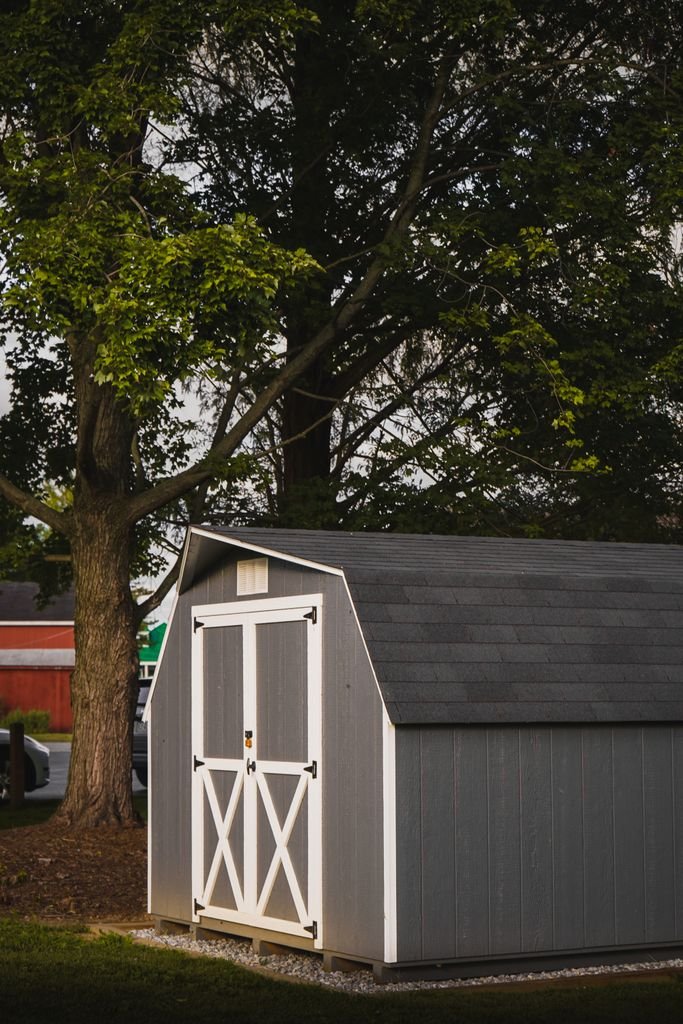
Other structures coverage helps protect the parts of your property that stand apart from your house. A fire in a detached garage or a storm-damaged fence can create a major repair bill even when the home itself escapes damage. This part of homeowners insurance, commonly called Coverage B, may help pay that bill when the cause of damage and the structure qualify under your policy.
The important questions are how much coverage you have, which structures share that limit, and how the insurer values a loss. A percentage on your declarations page is a starting point, not a promise that every backyard building is fully insured.
What is other structures coverage?
Other structures coverage is the property protection for eligible structures separate from the insured dwelling. Common examples include detached garages, storage sheds, fences and gazebos. Allstate’s Coverage B explanation describes protection for detached structures against covered events such as fire, theft and vandalism, subject to policy terms.
Coverage B insures the structure, rather than everything inside it. Tools, furniture and other belongings stored in a garage generally fall under personal property coverage and its own limits and exclusions. Check both sections when estimating the financial impact of a garage fire.
Coverage A, B and C: where does a loss belong?
The National Association of Insurance Commissioners’ policy guide separates the dwelling, other structures and personal belongings into different coverage categories. That distinction matters when you read a claim estimate.
- Coverage A: The house and qualifying attached structures. An attached garage normally belongs here.
- Coverage B: Eligible separate structures, such as a detached garage or shed.
- Coverage C: Covered personal belongings, including qualifying property stored in an outbuilding.
A parked car does not become a covered building component because it is inside a garage. Ask your auto insurer about coverage for damage to the vehicle. Likewise, a visitor’s injury raises liability questions, which are separate from paying to rebuild the structure.
Our guide to home insurance dwelling coverage explains the Coverage A side of this distinction.
How much other structures coverage do you have?
Coverage B is often set at a percentage of the dwelling limit. Travelers’ coverage-planning guide describes an amount generally around 10% of dwelling coverage. The percentage can differ by insurer, policy and endorsements, so use the actual dollar amount on your declarations page.
For illustration, a $300,000 dwelling limit with Coverage B set at 10% produces a $30,000 other structures limit. That does not mean $30,000 for each separate building. Check whether the listed limit applies collectively and whether any structure has a separately scheduled amount.
Compare the limit with rebuilding estimates, not the property’s sale price. In a hypothetical inventory, a garage costing $25,000 to rebuild, a $10,000 shed and $8,000 of fencing total $43,000. A shared $30,000 limit could leave a substantial gap after one event damages all three. These figures are examples, not local construction estimates.
Which damage can Coverage B cover?
Coverage depends on both the insured property and the cause of loss. Do not stop at “the shed is covered.” Ask whether the event that damaged it is covered too.
Policies differ in whether they cover listed causes of loss or a broader set of causes subject to exclusions. The NAIC’s homeowners insurance overview explains this distinction. Our comparison of open-peril and named-peril coverage provides more detail.
For example, a policy may cover sudden fire damage but exclude deterioration that occurred over years. A storm claim may also involve a different deductible from an ordinary property claim. Read endorsements alongside the main form before assuming the same conditions apply to every loss.
Exclusions and uses that need extra attention
Standard homeowners coverage generally does not insure flooding, and earthquake protection usually requires additional coverage. The Washington insurance regulator’s natural-disaster guidance explains these gaps. If you buy separate coverage, confirm which outbuildings it includes; do not assume every detached structure automatically follows the house.
Ordinary wear, pest damage and certain water losses can also fall outside Coverage B. Business and rental use deserve a separate conversation. Progressive’s other structures guide notes that a business building or shed converted into a rental may not qualify under a homeowners policy.
Tell the insurer before converting a garage into a workshop for paying customers or a guesthouse into a rental. Describe the actual activity, occupancy and equipment. Ask for written confirmation of any endorsement or separate policy needed. A pool’s classification can also depend on the insurer and installation, so confirm where its physical damage coverage sits.
Replacement cost, depreciation and deductibles
A coverage limit is the maximum available under the relevant terms; it does not determine the valuation method. Check whether the particular damaged property is settled at replacement cost or actual cash value, and what conditions apply to any replacement-cost payment.
Fences are a useful example. Travelers’ fence insurance guide notes that insurers commonly account for depreciation. You should not assume a fence and a detached building receive identical settlement treatment. See our explanation of replacement value versus actual cash value for the basic difference.
The deductible also affects your payment. If an eligible loss is valued at $12,000 and the applicable deductible is $2,000, the simplified payment would be $10,000 before any other limits, depreciation or conditions. Travelers’ deductible and limit overview explains how these two features work together. Ask how the deductible applies when the same event damages the house and an outbuilding.
How to review Coverage B before a loss
- List every separate structure. Include garages, sheds, fences and permanent outdoor structures, with photographs and approximate dimensions.
- Estimate rebuilding costs. Seek current local estimates for significant structures, including relevant labor and materials.
- Compare the total with the policy. Check shared limits, scheduled structures, valuation terms and applicable deductibles.
- Disclose changes. Report new construction, business activities and rental use rather than waiting until a claim.
- Keep the answer in writing. Save the updated declarations, endorsements and explanations with your home inventory.
What to do if a detached structure is damaged
Start with safety. Keep people away from unstable walls, exposed wiring and damaged roofs. When safe, photograph the damage and preserve information about when and how it happened. Report the loss promptly through your insurer’s claims process.
Take reasonable steps to prevent further damage within your abilities, and retain receipts. Ask the insurer what documentation it needs before permanent repairs or disposal of damaged materials. Keep separate lists for structural damage and damaged belongings so the adjuster can assess the relevant coverage sections.
If a tree caused the loss, repair coverage and debris-removal coverage can involve different conditions. Our guide to homeowners insurance and tree removal discusses those distinctions.
Frequently asked questions
Is a detached garage covered by home insurance?
It commonly falls under Coverage B, provided the structure, its use and the cause of damage qualify. Check the limit and any business or rental restrictions.
Does Coverage B pay for tools inside a shed?
The shed and its contents are evaluated separately. Qualifying tools generally belong under personal property coverage, where business-property limits or other restrictions may matter.
Does every homeowner have a 10% Coverage B limit?
No. Ten percent is a common arrangement, not a universal rule. Your declarations and endorsements show the amount that applies to your policy.
Should you increase other structures coverage?
Consider asking about an increase when credible rebuilding estimates exceed the available limit. The right amount depends on the structures, their uses and policy terms.
This article provides general information about U.S. homeowners insurance. Coverage varies by policy, insurer and state; your policy and endorsements determine how a claim is handled.