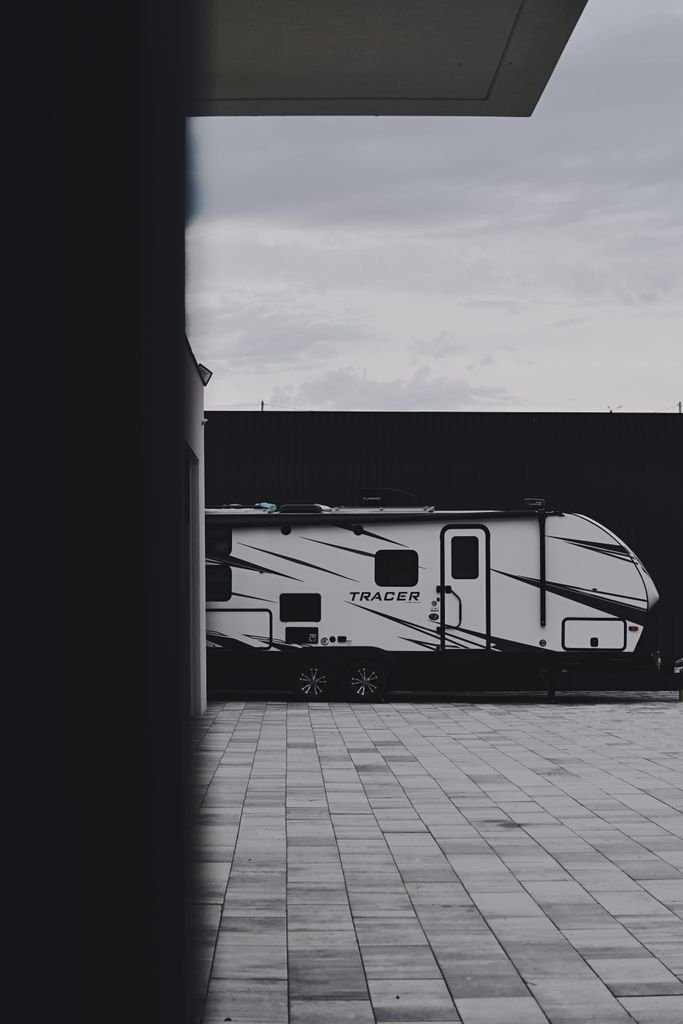
Protect the trailer—and understand which policy protects the trip.
Insurance for a travel trailer can help protect the towable camper itself against covered damage or theft. It can also include protection for belongings and certain liabilities at your campsite. The important distinction is that your trailer policy and your tow vehicle’s auto policy perform different jobs.
Before buying, ask the insurer to explain what happens in three situations: while the trailer is being towed, while it is detached at a campsite, and while it is stored. A useful policy comparison identifies the property, people and activities insured in each situation, rather than relying on the phrase “full coverage.”
What Is Travel Trailer Insurance?
Travel trailer insurance is designed for a recreational vehicle that needs another vehicle to pull it. A conventional camper or fifth wheel has different insurance needs from a self-propelled motorhome. GEICO’s RV insurance explanation distinguishes coverage for the towable trailer from the coverage needed for a motorhome you drive.
Do not assume that insuring the pickup automatically insures everything behind it. Protection for damage you cause to someone else is different from protection for damage to your own trailer. Personal belongings and liability while camping add further questions. Ask for the declarations page, applicable forms and endorsements so you can see what your quote actually includes.
Does Your Tow Vehicle’s Insurance Cover the Trailer?
Your auto policy may extend liability protection while you tow an eligible trailer. That does not automatically mean it pays to repair the trailer after a crash. Progressive’s RV liability guide explains that road liability for its travel-trailer customers comes through the towing vehicle, rather than a separate motorhome-style liability selection on the trailer policy.
Have your auto insurer confirm the arrangement for your specific vehicle and trailer. Ask whether there are restrictions involving ownership, trailer type, business use or who is driving. Also ask what happens if the trailer detaches during an accident. Avoid guessing which policy responds from the fact that both vehicles appear on an insurance certificate.
Our guide to liability versus coverage for your own vehicle explains the basic distinction. For a trailer, confirm the actual policy language instead of treating that general comparison as a coverage promise.
Core Coverage for the Trailer Itself
Collision
Collision can help pay for covered damage when the trailer strikes another vehicle or an object. For example, backing into a post may damage the trailer even when the tow vehicle is unharmed. A deductible generally applies. Progressive’s travel trailer coverage page describes collision separately from comprehensive coverage.
Comprehensive or other-than-collision coverage
This protection addresses specified non-collision losses. Theft, fire, vandalism and certain weather damage are common examples, subject to policy terms. Foremost’s travel trailer insurance overview describes its other-than-collision coverage as addressing direct, abrupt and accidental losses from listed causes, including hail and flood.
Compare deductibles separately for collision and comprehensive. Then ask whether permanently attached accessories, an upgraded awning, solar equipment or other modifications are included in the insured value or require scheduling. Keep purchase records and photographs so the quote reflects the trailer you actually own.
Coverage While Parked or Used as a Home
A visitor’s injury at a campsite raises a different issue from a highway collision. Vacation liability can address certain injuries or property damage associated with using the parked trailer as a temporary residence. Full-time residence may require a different liability arrangement.
Progressive’s RV coverage descriptions distinguish vacation liability from full-timer’s liability. They also describe separate options for emergency expenses, personal effects and roadside assistance. Availability, eligibility and limits vary; a benefit listed on an insurer’s website is not proof that it appears in your quote.
Describe your use accurately. Tell the insurer if you live in the trailer, leave it on a seasonal site, move between campgrounds or keep it stationary for extended periods. Ask which definition of recreational or full-time use applies. A policy chosen for occasional weekends should not be assumed suitable for a permanent residence.
Belongings, Roadside Help and Interrupted Trips
Make an inventory of the gear you normally take: clothing, cookware, electronics, camping equipment and other personal items. Compare the personal-effects limit with that inventory, and ask about restrictions on expensive items. Check your homeowners or renters policy too, but do not assume off-premises coverage provides the same protection or deductible as a trailer endorsement.
For roadside help, ask whether the service handles both the disabled trailer and its tow vehicle, what towing destination is allowed, and whether distance or access restrictions apply. A service benefit that arranges a tow does not necessarily pay for the underlying mechanical repair.
Emergency-expense protection needs similar scrutiny. Ask what event activates it, whether you must be a minimum distance from home, and which lodging or transportation costs qualify. Write down the limits before a trip; reimbursement should not be treated as an unlimited travel budget.
Exclusions: Water Damage, Wear and Maintenance
“Water damage” describes an outcome, not the cause of a loss. A covered storm and a slow leak from deteriorated seals can receive different claim decisions. Progressive’s water-damage guide explains that comprehensive may cover water damage caused by a covered peril, while neglected maintenance can leave damage uninsured.
Read the exclusions for gradual deterioration, freezing, manufacturer defects and related damage. Progressive’s RV insurance basics also identifies wear, mold, delamination and rot as important limitations in its general explanation. Specialized endorsements may change parts of the protection, so ask what the actual form adds and which exclusions remain.
Keep records of roof inspections, seal repairs and winterization. Those records do not guarantee a claim payment, but they provide a clearer account of the trailer’s condition and maintenance. Insurance should sit alongside a maintenance budget, not replace it.
How Much Would a Total-Loss Claim Pay?
The insured value and settlement method matter as much as the premium. Ask whether the policy uses actual cash value, an agreed amount or an eligible replacement provision. Get the insurer to explain how age, depreciation, deductibles and replacement conditions affect payment. Our comparison of replacement coverage and actual cash value provides background for that conversation.
Consider this simplified hypothetical: a covered total loss is valued at $18,000 and a $1,000 deductible applies. Before other policy provisions or lender interests, the illustrated payment would be $17,000. If the loan balance were $20,000, that payment would not clear the debt. The example is not a quote or a promise of a particular settlement.
Ask the lender and insurer how any loan shortfall would be handled. Do not assume a replacement endorsement or an amount shown on the declarations automatically guarantees payment of the outstanding loan.
Is Insurance for a Travel Trailer Required?
A towable trailer has a different legal insurance arrangement from a driven motorhome. Foremost advises owners to check their particular state’s requirements and any lender requirements. Financing can create a contractual requirement for physical-damage protection even when a separate trailer policy is not required by state law.
Confirm requirements with your state insurance department, lender and insurer. If you own the trailer outright, decide whether you could afford its loss without insurance. Legal minimums, loan conditions and your ability to replace the camper are three separate considerations.
How to Compare Travel Trailer Insurance Quotes
Use the same facts for every quote: identification number, model year, modifications, value, storage location, intended use and lender details. Then compare:
- Trailer physical-damage coverages and each deductible.
- Total-loss settlement wording and replacement eligibility.
- Personal-effects limits and any special item restrictions.
- Vacation or full-time liability appropriate to your use.
- Roadside and emergency-expense terms.
- Exclusions, endorsements, annual premium and fees.
For premium factors and historical benchmarks, see our separate RV insurance cost guide. Keep this coverage checklist beside the quotes so a lower price does not hide a missing benefit. Ask each insurer to explain one realistic towing loss, one campsite loss and one storage loss using the proposed policy.
What to Do After Damage or Theft
Prioritize safety, contact emergency services when needed, and notify the insurer promptly. Record the time, location and circumstances. Photograph damage and retain receipts for reasonable temporary measures. The NAIC’s claims guidance emphasizes documenting losses, protecting property from further damage and keeping receipts.
Ask before authorizing permanent repairs or disposing of damaged equipment. Progressive’s RV claims process notes that coverage selections affect payment and that ownership documents can help with a total-loss claim. Keep your policy, title information, equipment inventory and claims contact details accessible away from the trailer.
Frequently Asked Questions
Is travel trailer insurance the same as motorhome insurance?
No. A travel trailer is towed; a motorhome is driven. Road liability arrangements differ, even when some physical-damage benefits look similar.
Does a storage location’s insurance protect my trailer?
Do not assume it does. Ask the facility and your own insurer who covers theft, weather damage and other losses while the trailer is stored.
Can I use an owners policy for a rented trailer?
Do not assume an owned-trailer policy extends to a rental. Progressive’s rental insurance guide describes separate temporary protection through rental companies. Review the rental agreement, insurance limits and exclusions before collecting the trailer.
This article provides general U.S. educational information, not personalized insurance advice. Coverage, exclusions, requirements and eligibility vary by insurer, state and policy. The issued policy and endorsements control claim decisions.