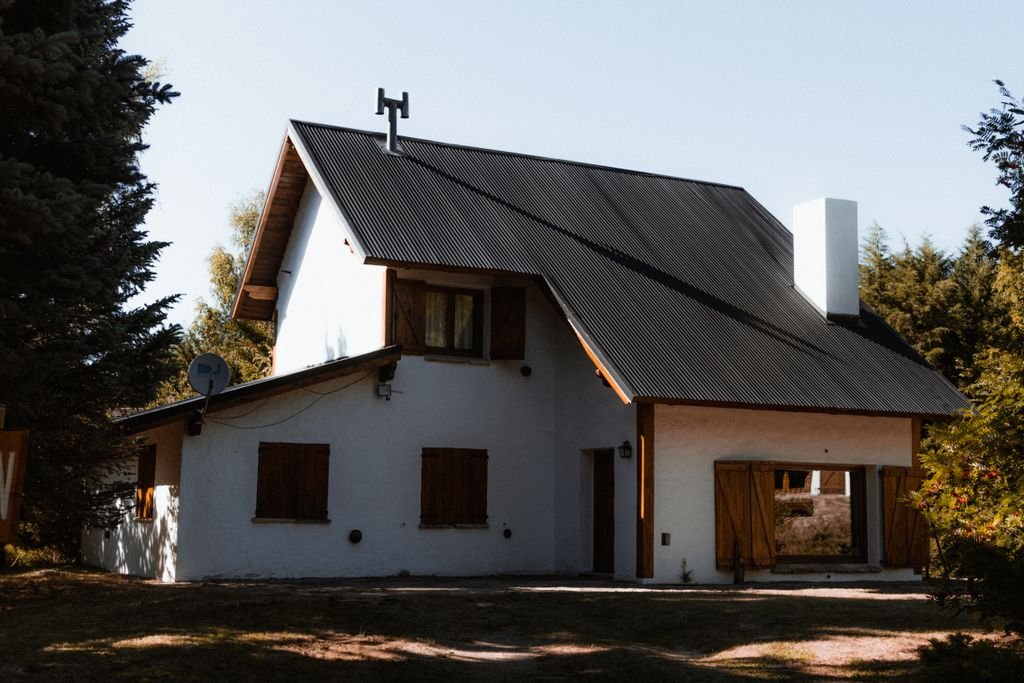
Home insurance dwelling coverage helps pay to repair or rebuild the physical structure of your house after damage caused by a covered event. It is commonly shown as Coverage A on a homeowners insurance declarations page.
The coverage can apply to the roof, walls, floors, foundation, built-in cabinets, attached garage, and permanently installed systems. It does not automatically insure every structure on the property, every type of damage, or the home’s real-estate value.
The most important number is the dwelling coverage limit. That limit should generally reflect the estimated cost to rebuild the insured house with comparable materials and labor—not the purchase price, mortgage balance, property-tax assessment, or market value of the land.
This guide explains what dwelling coverage includes, what it commonly excludes, how claims are valued, and how to review the limit without relying on a generic price-per-square-foot estimate.
Dwelling Coverage at a Glance
| Question | General answer |
|---|---|
| What is it? | The part of a homeowners policy that insures the house itself against covered causes of loss |
| Where is it listed? | Usually as Coverage A on the declarations page |
| What can it include? | Roof, walls, floors, foundation, attached structures, built-in fixtures, and permanently installed systems |
| What limit should be used? | A current estimate of eligible rebuilding cost, subject to the insurer’s method and policy terms |
| Is it based on market value? | Generally no; market value includes land and local real-estate demand |
| Does it cover every disaster? | No; exclusions, limitations, deductibles, and policy conditions apply |
| Does it cover belongings? | Generally not under Coverage A; personal property is commonly handled under Coverage C |
| Does it cover a detached garage? | Usually under Coverage B rather than Coverage A |
Insurance contracts and state requirements vary. The declarations page summarizes limits, but the complete policy and endorsements determine coverage.
What Is Dwelling Coverage in Homeowners Insurance?
Dwelling coverage is property insurance for the residence building described in the policy. It may pay eligible costs when a covered peril damages the structure.
The National Association of Insurance Commissioners states that dwelling coverage should be sufficient to cover the cost of fully rebuilding the insured home. Its homeowners insurance guidance also explains that limits for some other policy coverages are commonly calculated as percentages of the dwelling limit.
Coverage A normally applies only when all relevant conditions are met:
- The damaged property fits the policy’s definition of the dwelling.
- The cause of loss is covered by the policy form.
- No exclusion removes or limits coverage.
- The loss occurs during the policy period.
- The policyholder complies with notice, documentation, mitigation, and cooperation requirements.
- The claimed amount exceeds the applicable deductible.
- Payment remains within the available limit and settlement provisions.
Owning a homeowners policy does not guarantee that every repair will be paid. Coverage depends on why the damage occurred, which property was affected, and what the contract says.
What Parts of a Home Can Coverage A Include?
Dwelling coverage commonly protects the main residential structure and items permanently attached to it.
The main building
Covered components may include:
- Exterior and interior walls
- Roof and roof decking
- Floors and subfloors
- Foundation
- Ceilings
- Windows and exterior doors
- Staircases
- Chimneys
Coverage still depends on the cause of loss. A roof damaged by a covered windstorm may be treated differently from a roof that deteriorated through age, neglect, or long-term leakage.
Attached structures
Coverage A may include structures physically attached to the house, such as:
- An attached garage
- An attached deck or porch
- A permanently attached carport
- Certain connecting structures
A detached garage, fence, shed, or gazebo is more commonly insured under Coverage B—Other Structures. Definitions vary, so attachment should not be assumed merely because two structures are nearby.
Built-in fixtures and finishes
Items that are permanently installed may be treated as part of the dwelling, including:
- Built-in kitchen cabinets
- Permanently installed countertops
- Built-in bookcases
- Attached bathroom fixtures
- Wall-to-wall materials where the policy treats them as building property
Freestanding furniture and appliances are usually personal property rather than dwelling property.
Permanently installed home systems
Coverage A may include wiring, plumbing, heating, cooling, and other systems that form part of the building. However, a policy generally does not function as a maintenance plan or equipment warranty.
For example, sudden resulting damage from a covered event may be insured even when the failed component itself is not. WealthLedger’s guide to homeowners insurance and HVAC systems explains why cause of loss matters more than the fact that equipment stopped working.
What Events Can Dwelling Coverage Insure?
The covered causes of loss depend on the policy form and endorsements.
An HO-3 policy commonly provides open-perils coverage for the dwelling. That generally means direct physical loss is covered unless the policy excludes or limits the cause. An HO-2 commonly covers the dwelling against listed named perils. An HO-5 may offer broad coverage for both the building and personal property, subject to exclusions.
Commonly covered events may include some forms of:
- Fire and smoke
- Lightning
- Windstorm and hail
- Theft and vandalism
- Damage from vehicles or aircraft
- Falling objects
- Weight of ice, snow, or sleet
- Certain sudden accidental water discharges
- Certain sudden electrical damage
The list is illustrative. A covered category may contain definitions, sublimits, exclusions, or state-specific restrictions. Wind coverage, for example, may be excluded from a coastal policy and purchased separately.
For a detailed comparison of policy forms, review how HO-3 and HO-5 insurance differ, including their treatment of dwelling and personal-property losses.
What Does Dwelling Coverage Commonly Exclude?
Coverage A is broad under many policies, but it is not all-risk protection in the everyday sense. Standard exclusions commonly address the following hazards or conditions.
Flooding
Standard homeowners insurance generally does not cover flooding from rising surface water, storm surge, or overflow of inland or tidal waters. FEMA explains that flood insurance is normally a separate policy that can cover a building and, when selected, eligible contents.
Water entering through a damaged roof and water rising from the ground can produce different coverage outcomes even during the same storm. The source and sequence of damage matter.
Earth movement
Earthquakes, landslides, mudflow, earth sinking, and other earth movement are commonly excluded. Earthquake coverage may be available through an endorsement or separate policy, depending on location and insurer.
Wear, deterioration, and maintenance
Home insurance generally does not pay simply because materials wear out. Common noncovered conditions can include:
- Aging materials
- Corrosion or rust
- Rot
- Repeated seepage
- Settling, shrinking, or expansion
- Insect or vermin damage
- Defective maintenance
- Mechanical breakdown
A maintenance problem can also contribute to a later loss, making the claim fact-specific.
Sewer or drain backup
Water backing up through a sewer, drain, or sump may require an optional endorsement. This is distinct from external flooding and from certain sudden plumbing discharges.
Ordinance or law costs
A standard rebuilding estimate may not fully address the extra expense of bringing undamaged or older portions of a home up to current building codes. Ordinance-or-law coverage can help with qualifying code-upgrade costs, subject to its limit and conditions.
Intentional loss and illegal activity
Policies commonly exclude intentional damage caused by an insured and contain provisions addressing concealment, misrepresentation, fraud, and illegal conduct.
War and nuclear hazard
These are standard categories of exclusion in many property policies.
Never rely on a generic online list to decide whether a real loss is covered. Review the policy, endorsements, claim facts, and applicable state law.
Coverage A Is Not the Same as Other Home Insurance Coverages
A homeowners policy packages several protections. Confusing them can lead to an incorrect limit or claim expectation.
| Coverage | Common purpose |
|---|---|
| Coverage A — Dwelling | Insures the main residence building and qualifying attached structures |
| Coverage B — Other Structures | Insures detached structures such as a detached garage or shed |
| Coverage C — Personal Property | Insures eligible belongings |
| Coverage D — Loss of Use | Helps with qualifying additional living expenses or lost rental value after a covered loss |
| Coverage E — Personal Liability | Helps with qualifying claims alleging bodily injury or property damage for which an insured is legally responsible |
| Coverage F — Medical Payments to Others | Pays limited qualifying medical expenses without requiring a liability determination |
Limits for Coverage B, C, and D are often tied to a percentage of Coverage A. Increasing the dwelling limit may therefore change other limits, although policy structures vary.
Dwelling Coverage Versus Personal Property Coverage
The easiest distinction is permanence.
The house and permanently installed components generally fall under dwelling coverage. Movable possessions generally fall under personal-property coverage.
Consider a kitchen fire:
- Damage to walls, flooring, built-in cabinets, and attached plumbing may fall under Coverage A.
- Damage to a freestanding table, dishes, clothing, and portable electronics may fall under Coverage C.
- Extra hotel and meal expenses may fall under Coverage D if the covered loss makes the home unfit to live in.
The categories can have different limits, valuation methods, causes-of-loss coverage, and deductibles. A policy may settle the building at replacement cost while settling belongings at actual cash value unless a personal-property replacement-cost endorsement applies.
How Much Dwelling Coverage Do You Need?
The goal is generally to estimate the cost to rebuild the home after a covered total loss. This is not the same as estimating what the property would sell for.
The NAIC’s Consumer’s Guide to Home Insurance recommends reviewing dwelling coverage over time so it does not fall below the amount needed to replace the home.
Factors that can affect rebuilding cost
- Total finished square footage
- Number of stories
- Foundation and roof type
- Exterior materials
- Interior finishes
- Custom cabinets and millwork
- Built-in systems and appliances
- Local construction wages
- Material prices
- Contractor demand
- Debris removal
- Architectural and engineering work
- Permit costs
- Building-code upgrades
- Demolition and site access
- Catastrophe-driven price increases
Two houses with the same square footage can have very different rebuilding costs. A basic online calculator may provide a starting point, but it should not replace a property-specific estimate and insurer review.
A practical review process
- Check the current Coverage A limit on the declarations page.
- Request the insurer’s replacement-cost estimate and inputs.
- Correct inaccurate square footage, construction type, features, or renovation data.
- Ask whether debris removal and code-upgrade costs are inside or outside the limit.
- Review inflation-guard provisions.
- Ask about extended or guaranteed replacement-cost options.
- Update the insurer after additions, major renovations, or premium-grade upgrades.
- Compare the estimate with an independent contractor or professional estimate when the difference could be significant.
The insurer’s replacement-cost estimator is not a promise that every reconstruction expense will be covered. Policy conditions and limits still apply.
Rebuilding Cost Is Not Market Value
Market value reflects what a buyer may pay for the entire property, including land, location, school district, supply, and demand. Dwelling replacement cost focuses on reconstructing the insured building.
This difference can work in either direction:
- A home in a high-demand neighborhood may have a market value far above rebuilding cost because the land is valuable.
- A large or custom home in a lower-price area may cost more to rebuild than its market value.
- After a regional catastrophe, construction costs may rise while normal sale prices do not increase at the same rate.
Your mortgage balance is also not a reliable dwelling limit. A down payment, principal reduction, refinancing, or local appreciation can separate the loan balance from reconstruction cost.
WealthLedger’s comparison of replacement value and actual cash value explains how valuation terms can change an insurance payment.
Replacement Cost, Extended Replacement Cost, and Guaranteed Replacement Cost
These terms can sound similar but provide different protection.
Standard replacement-cost coverage
Replacement-cost coverage generally pays eligible repair or rebuilding costs without a permanent deduction for depreciation, up to the applicable policy limit and subject to conditions.
Many policies initially pay an actual-cash-value amount and release recoverable depreciation after qualifying repairs are completed and documented within the required time.
Extended replacement-cost coverage
Extended replacement-cost coverage may add a stated percentage or dollar amount above Coverage A when a covered rebuilding loss exceeds the dwelling limit.
For example, a policy with a $400,000 Coverage A limit and a 25% extension could provide up to an additional $100,000 for qualifying dwelling reconstruction. This illustration does not account for every limit, condition, or expense category.
Guaranteed replacement-cost coverage
Guaranteed replacement-cost coverage may pay eligible rebuilding costs above the stated dwelling limit, but availability and contract terms vary. It may still require the homeowner to maintain an accurate property description, accept inflation adjustments, rebuild at the same location, or satisfy other conditions.
Functional replacement cost
Functional replacement-cost coverage may repair an older building using modern, functionally equivalent materials instead of reproducing expensive or obsolete construction. It can be useful for certain older homes, but it is not identical to full like-kind replacement.
The Texas Department of Insurance’s explanation of replacement cost and actual cash value emphasizes that settlement method and policy limits must be reviewed together.
How Deductibles Affect a Dwelling Claim
A deductible is the amount of a covered loss the policyholder must absorb before insurance payment, subject to the contract.
Policies may use:
- A flat-dollar deductible
- A percentage deductible
- A separate wind or hail deductible
- A named-storm or hurricane deductible
- An earthquake deductible under separate coverage
A percentage deductible is commonly calculated from the dwelling coverage limit, not from the loss amount.
Suppose Coverage A is $500,000 and a wind deductible is 2%. The deductible would be $10,000. If eligible covered damage is $35,000, the estimated payment before other adjustments would be $25,000.
This is a plain-language example, not a universal claim formula. Policy wording, valuation, limits, depreciation, mitigation expenses, and multiple causes of loss can change the result.
A higher dwelling limit can increase a percentage deductible. Review the actual dollar effect rather than assuming “2%” is a small out-of-pocket amount.
What Is the 80% Insurance-to-Value Rule?
Many replacement-cost policies require the home to be insured to a specified percentage—often 80%—of its replacement cost at the time of loss to receive full replacement-cost treatment on a partial claim.
If the dwelling limit falls below the required amount, a coinsurance or insurance-to-value provision may reduce the payment. The exact calculation and threshold depend on the policy.
The New York Department of Financial Services provides an underinsurance example showing how a home insured below the required percentage can receive a reduced payment on a partial loss.
The practical lesson is not to target only the minimum percentage. Rebuilding estimates can become outdated, and construction inflation can create a gap. Review the limit regularly and after major changes to the home.
Does Dwelling Coverage Pay the Policy Limit After a Total Loss?
Not automatically in every state or claim.
The limit is generally the maximum available under Coverage A, not a guaranteed check. Payment may depend on:
- The amount of covered damage
- The valuation provision
- Whether the home is repaired or rebuilt
- Actual expenses incurred
- Time limits for replacement
- Required documentation
- Debris-removal treatment
- Ordinance-or-law coverage
- Other insurance
- Mortgagee rights
- State valued-policy laws
Some states have valued-policy statutes that can affect certain total losses, but the rules and exceptions vary. Do not assume a total loss always produces payment of the face amount or that every expense sits inside the same limit.
Does a Mortgage Lender Decide the Dwelling Limit?
A lender may require homeowners insurance and may establish a minimum related to its financial interest. That minimum is not necessarily enough to rebuild the house.
The homeowner remains exposed if the dwelling limit is inadequate. A mortgage clause may direct claim payments to both the borrower and lender or allow funds to be released as repairs progress.
Do not reduce Coverage A merely because the mortgage balance has fallen. The cost to reconstruct the building does not decline with the loan principal.
When Should You Update Dwelling Coverage?
Review the limit at renewal and after changes that affect rebuilding cost.
Important review triggers include:
- Building an addition
- Finishing a basement or attic
- Remodeling a kitchen or bathroom
- Replacing standard finishes with custom materials
- Adding an attached garage, deck, or porch
- Upgrading roofing or exterior materials
- Installing solar panels or major permanent equipment
- Purchasing an older home with specialty construction
- Sharp local increases in labor or material costs
- A major regional disaster
- Receiving a new professional reconstruction estimate
An inflation-guard provision can adjust the limit automatically, but it may not capture every renovation or local cost spike.
Common Dwelling-Coverage Mistakes
Using the purchase price
The sale price includes land and market conditions. It does not isolate the cost to reconstruct the building.
Matching the mortgage balance
The lender’s interest and the homeowner’s rebuilding exposure are different amounts.
Ignoring renovations
An insurer cannot price and insure upgrades it does not know about. Report material changes promptly.
Assuming replacement cost is unlimited
Standard replacement cost generally remains subject to Coverage A. Extended and guaranteed options contain their own conditions.
Overlooking code upgrades
Demolition and rebuilding under current codes may cost more than replacing damaged materials. Review ordinance-or-law coverage separately.
Confusing flood with covered water damage
The source of water matters. Rising external floodwater is commonly excluded even when certain sudden internal discharges are covered.
Focusing only on premium
A lower dwelling limit or higher percentage deductible may reduce the premium while shifting a large amount of risk to the homeowner.
Failing to read endorsements
Roof schedules, cosmetic-damage exclusions, wind exclusions, water limitations, and other endorsements can materially change coverage.
A Dwelling Coverage Review Checklist
Use the declarations page, full policy, and endorsements to answer these questions:
- What is the current Coverage A limit?
- Which property is included in the definition of dwelling?
- Is the building insured on an open-perils or named-perils basis?
- What valuation method applies to the dwelling and roof?
- What is the insurer’s estimated reconstruction cost?
- Are square footage, building materials, and renovations accurate?
- What deductible applies to fire, wind, hail, hurricane, and other losses?
- Are any deductibles percentages of Coverage A?
- Is inflation guard included?
- Is extended or guaranteed replacement cost available?
- How much ordinance-or-law coverage is included?
- Is debris removal inside or outside the dwelling limit?
- Are flood, earthquake, wind, or sewer backup covered elsewhere?
- What deadline applies to repair, rebuild, and recover depreciation?
- How are claim funds released when a mortgage exists?
Ask the insurer or licensed agent to explain answers in writing. Keep updated photographs, improvement records, and major construction documents somewhere accessible after a disaster.
Frequently Asked Questions
Is dwelling coverage the same as homeowners insurance?
No. Dwelling coverage is one part of a homeowners policy. The policy can also include other structures, personal property, loss of use, personal liability, and medical-payments coverage.
Is dwelling coverage the same as hazard insurance?
“Hazard insurance” is often a lender’s shorthand for property protection against specified hazards. Dwelling coverage is the building-protection component of a homeowners policy. WealthLedger’s hazard insurance and homeowners insurance comparison explains the terminology.
Does dwelling coverage include the roof?
The roof is part of the dwelling, but payment depends on the cause of damage, exclusions, roof endorsements, deductible, age, and settlement method. Wear, deterioration, and faulty maintenance are generally not insured events.
Does dwelling coverage include plumbing?
Permanently installed plumbing is generally part of the dwelling. A policy may cover sudden resulting water damage while excluding the failed pipe, repeated leakage, deterioration, or the cost to correct poor maintenance.
Does Coverage A insure appliances?
Built-in appliances may be treated as part of the dwelling, while freestanding appliances may fall under personal property. Mechanical failure is generally not covered merely because an appliance is attached.
Is a detached garage covered by dwelling insurance?
A detached garage is usually handled under Coverage B—Other Structures. An attached garage is more commonly included under Coverage A. The policy definition controls.
How is dwelling coverage calculated?
Insurers commonly use replacement-cost software containing the home’s size, age, construction, features, local labor, and material data. Homeowners should review the inputs and consider an independent estimate when appropriate.
Can I lower my dwelling coverage to reduce the premium?
The insurer may impose minimum insurance-to-value requirements, and an inadequate limit can reduce a claim payment or leave a major rebuilding gap. Compare other savings options before cutting essential protection.
Does dwelling coverage include land?
No. Land is not rebuilt after a fire or similar covered loss, so its value generally is not included in the dwelling replacement-cost limit.
Does dwelling coverage pay for flood damage?
Standard homeowners dwelling coverage generally excludes flooding. Separate flood insurance may be necessary even outside a high-risk mapped zone.
Bottom Line
Home insurance dwelling coverage protects the physical house against covered causes of loss. It commonly appears as Coverage A and can include the roof, walls, foundation, built-in fixtures, attached garage, and permanently installed systems.
The limit should be based on a realistic estimate of rebuilding cost—not market price, land value, mortgage balance, or the amount originally paid for the property. Review the estimate, valuation method, exclusions, deductibles, insurance-to-value requirement, code-upgrade protection, and extended replacement-cost options together.
Update coverage after renovations and at each renewal. A carefully reviewed declarations page cannot prevent a disaster, but it can reduce the chance that an outdated limit or misunderstood exclusion becomes a second financial crisis after a covered loss.
This article provides general educational information and is not personalized insurance, financial, or legal advice. Coverage, definitions, limits, exclusions, deductibles, claims practices, and state laws vary. The issued policy and endorsements control.