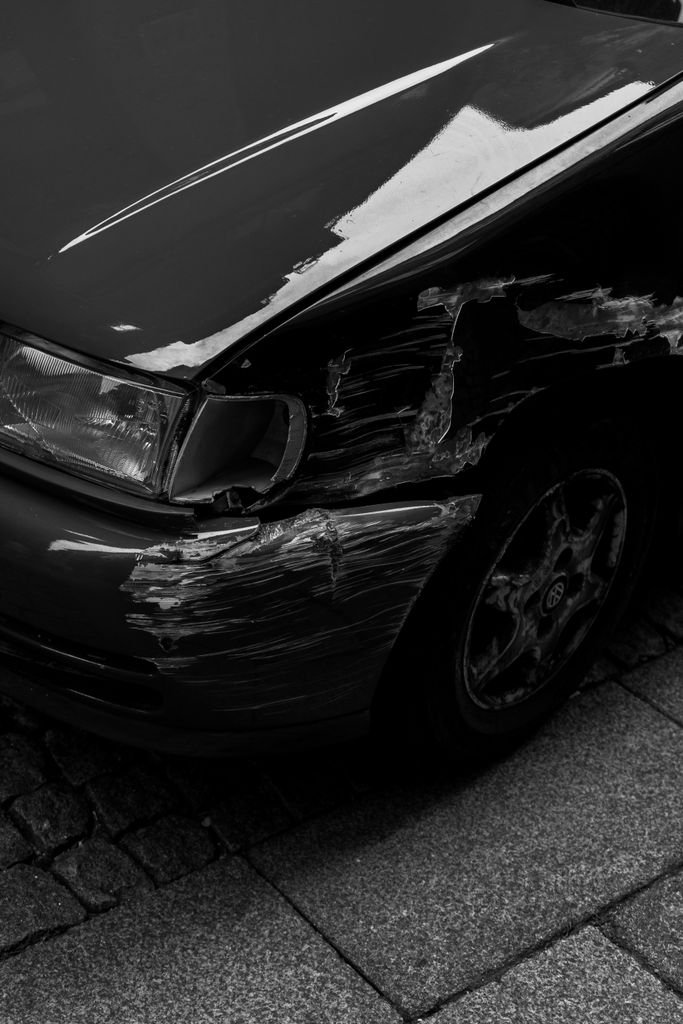
Know what protects your own car after a crash.
What is collision coverage in car insurance? It is protection that can help pay to repair or replace your insured vehicle after a covered collision with another vehicle or an object, or a rollover. It can apply whether you caused the accident or not, subject to the policy and your deductible.
Collision is different from liability insurance, which addresses eligible harm you cause to others. It is also different from comprehensive coverage, which addresses specified non-collision events. Understanding those distinctions helps you avoid expecting one coverage to pay for every part of an accident.
What Does Collision Coverage Cover?
Progressive’s collision insurance guide describes protection for vehicle crashes, impacts with stationary objects and certain damage while parked. Common examples to discuss with your insurer include:
- You back into a concrete post and damage your bumper.
- Your vehicle strikes another car in traffic.
- Another vehicle hits your parked car.
- Your car overturns in a covered single-vehicle accident.
These are illustrations, not automatic claim approvals. The insurer still checks the insured vehicle, driver, effective dates, cause of damage and applicable exclusions. Having a collision line on your declarations page does not remove the rest of the contract.
Can You Use Collision If You Were Not at Fault?
Yes, collision can be relevant even when another driver caused the crash. GEICO’s collision explanation notes that you can claim under this coverage regardless of fault, with the selected deductible applying under the policy.
Using your own insurer and pursuing the other driver’s liability insurer are different claim routes. The other company may need to investigate fault, coverage and damages before accepting payment responsibility. Ask your insurer how the options affect repairs, your deductible and any recovery process.
Do not assume a not-at-fault claim means your deductible immediately disappears. If your insurer pursues recovery from the responsible party, ask how deductible reimbursement is handled and what information you need to provide. Recovery can depend on circumstances and is not guaranteed.
Collision, Comprehensive and Liability: The Difference
The cause of a loss and whose property was damaged help identify the relevant coverage. Progressive’s comparison separates crash damage to your own vehicle from losses such as theft, hail, vandalism and animal contact.
For example, striking a guardrail can involve collision. Hail damaging a parked vehicle can involve comprehensive. Damage you cause to someone else’s fence can involve property damage liability. A single accident can create several losses, each requiring its own coverage review.
Collision does not pay another driver’s medical bills or repair their car merely because your vehicle was involved. Our guide to types of auto insurance explains how liability, injury benefits and other protections fit together.
Does Collision Cover Potholes or Hit-and-Runs?
The Insurance Information Institute’s pothole guide explains that pothole damage is generally covered when collision applies, while ordinary wear from poor road conditions is different. Damage below your deductible may produce no collision payment.
After an impact, document the location and visible damage if it is safe to do so. Have the vehicle checked when steering, tires or suspension may be affected. Do not keep driving an unsafe vehicle simply because damage looks minor from outside.
A hit-and-run can also involve collision protection. Report it promptly and follow police-report and documentation instructions. Depending on your state and selections, uninsured motorist property damage might raise additional questions. Ask which coverage applies and whether identifying the other vehicle affects eligibility.
How a Collision Deductible Works
A deductible is your share of a covered loss under the applicable terms. Progressive’s collision deductible guide explains that it is typically subtracted from the payment. It is not a separate annual savings account or a premium refund.
Consider these simplified hypothetical repair claims:
- Covered repair cost of $3,200 with a $500 deductible: illustrated payment of $2,700.
- The same covered cost with a $1,000 deductible: illustrated payment of $2,200.
- Covered damage of $400 with a $500 deductible: no collision payment in this illustration.
The examples omit other policy provisions and adjustments. A repair shop may collect your share while the insurer pays the eligible balance. Ask how payment works before authorizing work, especially if the estimate changes.
A higher deductible can lower the premium while increasing what you must fund after a claim. Obtain quotes for the actual choices. Saving $80 annually by accepting $500 more per applicable claim is a different tradeoff from saving $300. Neither example predicts whether you will have a loss.
Repair Claims Versus Total Losses
Collision does not guarantee repairs at any price. The NAIC’s auto insurance guide explains that repair costs can exceed an older vehicle’s worth, leading to a total-loss settlement rather than repairs.
For a standard policy, actual cash value generally reflects the vehicle’s pre-loss market value rather than the cost of buying a brand-new replacement. A hypothetical car valued at $12,000 with a $1,000 applicable deductible would produce an illustrated $11,000 payment before other relevant adjustments. The loan balance is a separate amount.
Review the valuation details, including trim, mileage, equipment and condition. The Washington insurance commissioner’s total-loss guidance recommends requesting the valuation report and describes that state’s procedures. Rules for taxes, fees, disputes and settlement vary, so consult your own regulator rather than applying Washington’s requirements nationwide.
What Collision Does Not Replace
Collision is not health insurance, a maintenance plan or an unlimited transportation benefit. Review these separate issues:
- Injuries: Medical payments, PIP, liability or other insurance may be relevant.
- Wear or breakdown: Ordinary mechanical deterioration is different from covered crash damage.
- Non-collision losses: Theft, fire and weather call for a comprehensive review.
- Loan shortfalls: A total-loss payment does not automatically clear the debt.
- Use restrictions: Disclose rideshare, delivery, other business use and relevant driver arrangements.
Rental reimbursement is a separate selection. Progressive’s rental reimbursement guide explains that it can help after an eligible covered loss, subject to daily, total and duration limits. Confirm the benefit before booking transportation; collision alone should not be treated as a promise to pay every rental bill.
Is Collision Coverage Required?
Collision is generally optional under state auto insurance laws, but a lender or leasing company may require it. The NAIC’s auto insurance overview distinguishes legal requirements from financing-related requirements.
Read your loan or lease agreement for required coverage and deductible limits. Owning the vehicle outright gives you a different financial choice, but removing collision means retaining the relevant vehicle-loss risk yourself. It does not remove your obligation to maintain other required insurance.
How to File a Collision Claim
First address injuries and immediate safety. Contact emergency services when needed and follow applicable reporting requirements. Then notify the insurer promptly and provide an accurate account of the event.
- Record the time, location and involved vehicles.
- Keep photographs, contact details and any police-report information.
- Ask about safe towing, storage charges and an inspection.
- Review the estimate, deductible and repair authorization process.
- Confirm payment arrangements and any lender involvement.
- Retain correspondence, estimates and receipts.
Progressive’s auto claims process describes reporting, inspection and repair options. Its repair-estimate FAQ explains that additional damage discovered during repairs can lead to an updated estimate. Coordinate those changes with the shop and insurer rather than assuming every added charge is approved.
Is Collision Worth Keeping?
Compare the vehicle’s current value, collision premium, deductible and replacement savings. A low-value car can still be essential for work. If losing it would force unaffordable borrowing or leave you without transportation, a limited payment may matter.
Conversely, a high deductible can leave little potential payment on a low-value car. Our guide to insurance on an old car works through that decision. There is no universal model-year cutoff.
Before reducing coverage, request equivalent quotes and check legitimate car insurance discounts. Confirm the effective date of any change. Adding collision after an accident does not retroactively insure damage that already occurred.
Questions to Ask Before Buying or Renewing
Request the collision premium separately from the total bill. Ask which deductible choices are available, whether your lender accepts them and how accessories or modifications are handled. Confirm who can drive the vehicle and which uses require an endorsement. If you changed jobs or began delivery work, explain that change before relying on an old quote.
Finally, ask the insurer to walk through one repair claim and one total-loss example using your actual deductible. Keep those explanations with the declarations page. This makes it easier to compare proposals and spot assumptions before an accident tests them.
Frequently Asked Questions
Is collision the same as full coverage?
No. “Full coverage” is informal shorthand. Ask which liability, collision, comprehensive and other coverages the quoted package actually includes.
Does collision pay if I cause the accident?
It can pay eligible damage to your insured vehicle even when you are at fault. Deductibles, exclusions and other policy conditions still apply.
Will every collision claim increase my premium?
Do not assume a universal result. Ask your insurer how fault, claim history, discounts, state rules and any forgiveness provision affect the next premium.
This article provides general U.S. educational information, not personalized insurance advice. Coverage, claim procedures and valuation rules vary by policy, insurer and state. All dollar examples are hypothetical.