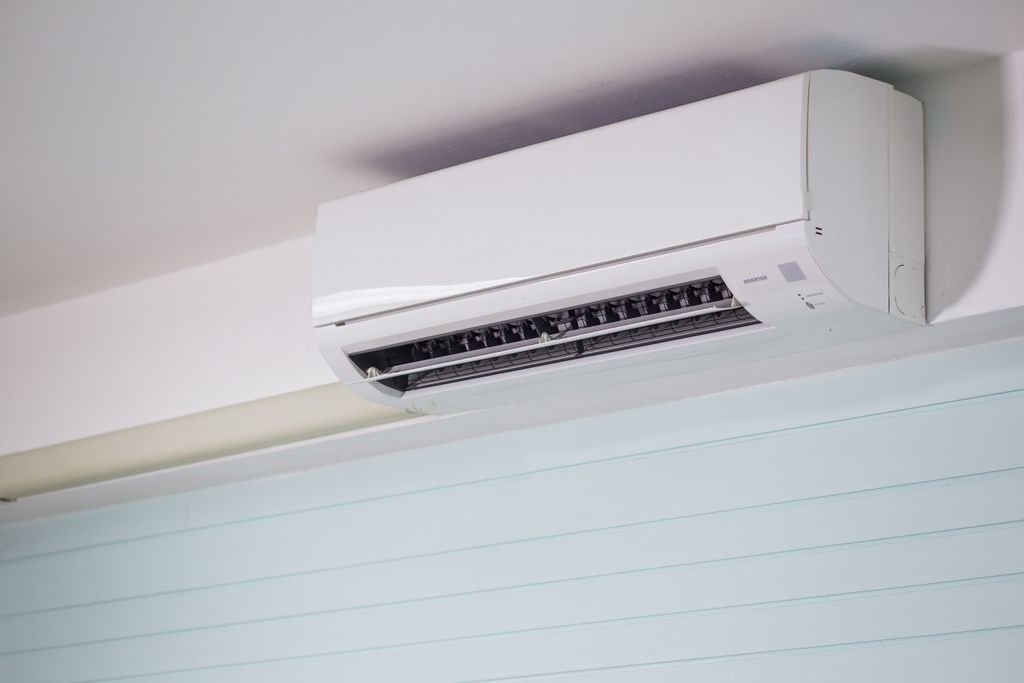
Equipment breakdown coverage for homeowners is optional insurance that may help pay for damage to eligible home systems and appliances after a covered electrical, mechanical or pressure-related breakdown. It is not a maintenance plan, and a machine simply stopping does not establish that a claim is covered.
Before adding the endorsement, compare its definition of breakdown, covered equipment, exclusions, deductible and limits. This guide explains what U.S. homeowners should ask, how the protection differs from a home warranty and how to evaluate a hypothetical repair claim.
What Is Equipment Breakdown Coverage on a Homeowners Policy?
An endorsement changes or adds protection to an insurance policy. Equipment breakdown coverage addresses specified failures that may fall outside the protection provided by a standard home policy.
Progressive’s equipment breakdown overview describes an optional endorsement available on certain policies. It gives examples such as electrical damage from artificially generated surges and motor failures, while excluding normal wear, neglect and poor maintenance. Availability and the actual contract still matter.
Keep the cause of failure separate from the affected item. “The air conditioner broke” identifies equipment; it does not explain why it failed. A technician’s findings can help distinguish an eligible breakdown from aging parts or a maintenance issue.
Which Home Systems and Appliances May Be Covered?
Ask the insurer for the definition of covered equipment, including any distinction between permanently installed systems and portable devices. A list in a marketing article is not a substitute for that definition.
Chubb’s coverage options, for example, distinguish permanently installed equipment from additional equipment covered under certain enhanced arrangements. Its examples include heating and cooling, water heaters, pool equipment, well pumps and installed generators. That product structure should not be assumed to apply to other insurers.
| Equipment to ask about | Detail to confirm |
|---|---|
| Heating and air conditioning | Which components and causes of failure qualify? |
| Refrigerator or dishwasher | Is the appliance eligible, and how are related losses treated? |
| Water heater or well pump | What electrical, mechanical or pressure trigger applies? |
| Generator or electrical panel | Must it be permanently installed? |
| Computers or smart home devices | Are portable devices or particular systems included? |
For each expensive item, write down the model, approximate installation date and available service history. The inventory helps you compare insurance proposals and organize information if a failure occurs.
What Does It Usually Exclude?
The central distinction is between a covered breakdown and gradual deterioration. Do not assume an endorsement will pay to replace equipment because it is old or inefficient.
The Hartford’s homeowner guide identifies examples of exclusions including wear and tear, rust or corrosion, cosmetic damage and pre-existing problems. Review your proposed endorsement for its own wording and any conditions that change the result.
Ask these questions before purchasing:
- How does the policy distinguish sudden breakdown from deterioration?
- What maintenance or inspection requirements apply?
- How are problems discovered before the endorsement’s effective date treated?
- Are cosmetic issues excluded when the equipment still functions?
- Do age restrictions, excluded components or special limits apply?
A sudden discovery is not necessarily a sudden cause. If a long-running problem becomes noticeable today, ask the technician to document what actually happened rather than labeling it a covered event yourself.
Standard Home Insurance, Breakdown Coverage and Home Warranties
These protections answer different questions. Standard homeowners insurance may respond to appliance damage caused by an insured peril. An equipment breakdown endorsement focuses on defined breakdown events. A home warranty is a separate service contract whose terms may address specified failures from ordinary use.
Progressive’s appliance coverage guide explains that home insurance may cover appliances damaged by covered events such as fire or theft, while ordinary breakdown and wear are different issues. It also describes home warranties as another option for certain wear-related repair or replacement needs.
| Protection | Main document to review | Question to ask |
|---|---|---|
| Standard home insurance | Policy and endorsements | Did a covered peril cause the damage? |
| Equipment breakdown endorsement | Breakdown definition and exclusions | Does the failure meet this endorsement’s trigger? |
| Home warranty | Service contract | Is this item and failure included under the service terms? |
Our comparison of home warranties and home insurance provides additional context. Avoid buying overlapping protection without checking service fees, deductibles, limits and exclusions side by side.
Limits, Deductibles and Extra Benefits
Do not compare endorsements by premium alone. Record the equipment limit, deductible, any sublimits and whether benefits share one maximum. Ask how the contract values repair versus replacement.
Nationwide’s equipment breakdown page illustrates why this review matters: it describes a home or condo add-on with stated limits and a deductible, and discusses spoilage and additional living expenses. Its published details vary by state and identify their own reference date. They are not a universal quote.
For any proposal, ask whether spoiled food, temporary living costs, emergency service or an efficiency upgrade is included, excluded or separately limited. Confirm any advance approval requirements. The existence of an extra benefit does not mean every related expense qualifies.
Service lines are a separate issue worth checking. Our guide to service line coverage explains questions about buried utility connections. Do not assume a household equipment endorsement provides that same protection.
A Hypothetical Repair Claim
Suppose a technician identifies an electrical failure and the insurer accepts $4,200 in repair and associated expenses as covered. Assume the applicable deductible is $500, the available limit is sufficient and no other restriction reduces payment. The illustrative insurer contribution is $3,700.
Now suppose the homeowner also requests a $900 optional upgrade that is not covered. The total invoice may be $5,100, but the accepted claim amount remains $4,200. In this example, the homeowner pays the $500 deductible plus the $900 excluded upgrade, or $1,400.
These are invented figures to show the calculation, not typical repair prices or an insurer’s promise. The starting point is the covered amount, not the entire bill. A different deductible, valuation provision or exclusion changes the result.
Also compare the repair amount with the deductible before assuming reimbursement will be substantial. A $400 accepted expense under a $500 deductible would not produce an insurer payment under those simplified assumptions.
Is Equipment Breakdown Coverage Worth It?
It may be useful if the covered events create a financial risk you want to transfer and the endorsement meaningfully covers your equipment. It is less helpful if your main concern is normal aging that the contract excludes.
Build a short comparison sheet with three columns: your equipment, an eligible failure scenario and the amount you would still pay. Add the annual premium, deductible, relevant limit and any existing warranty or service agreement. Ask the agent to explain any missing protection.
Consider these practical questions:
- Could you manage an eligible repair from available savings?
- Does the proposed equipment definition fit your home?
- Are the main failures you worry about actually insured?
- How much would the deductible leave for you to pay?
- Does another contract address some of the same risk?
Our guide to keeping an appropriate savings balance can help you think about retained costs. Insurance and maintenance reserves serve related but different purposes; neither guarantees that every failure is affordable.
What to Do After Equipment Fails
Address immediate safety concerns and use qualified professionals. If there is a suspected electrical, gas or pressure hazard, avoid operating or opening the equipment yourself. Follow appropriate emergency and professional guidance.
Then contact the insurer through the policy’s claims channel. Ask what inspection, documentation and authorization are needed before nonemergency repair or replacement. Do not delay an urgent safety response simply to collect photographs.
Keep the technician’s diagnosis, photographs when safe, serial numbers, invoices and service records. Ask the professional to distinguish the cause of failure from the resulting damage. Retain damaged parts if the insurer requests them and it is safe and practical.
Separate the failed machine from other losses. For example, a water-related event may raise questions about both the equipment and damage to the home. Our article on plumbing coverage and water damage explains why those questions should be reviewed individually.
Frequently Asked Questions
Is equipment breakdown coverage included automatically?
Do not assume so. Check your declarations and endorsements, or ask the insurer whether the optional protection is in force.
Does it cover an old appliance that wears out?
Wear and tear is generally excluded from the products discussed here. Age alone does not establish coverage; the cause and contract terms matter.
Does it replace a home warranty?
Not necessarily. Compare the actual endorsement with the service contract rather than treating the names as interchangeable.
Are all electronics covered?
No universal list applies. Ask specifically about portable electronics, small appliances and installed systems.
Can I add it after equipment has broken?
Do not assume new coverage applies to an existing failure. Ask when the endorsement can begin and disclose known problems accurately.
This article provides general education for U.S. homeowners. Availability, exclusions and claim decisions depend on the policy, state and facts. Confirm proposed protection with a licensed insurance professional.