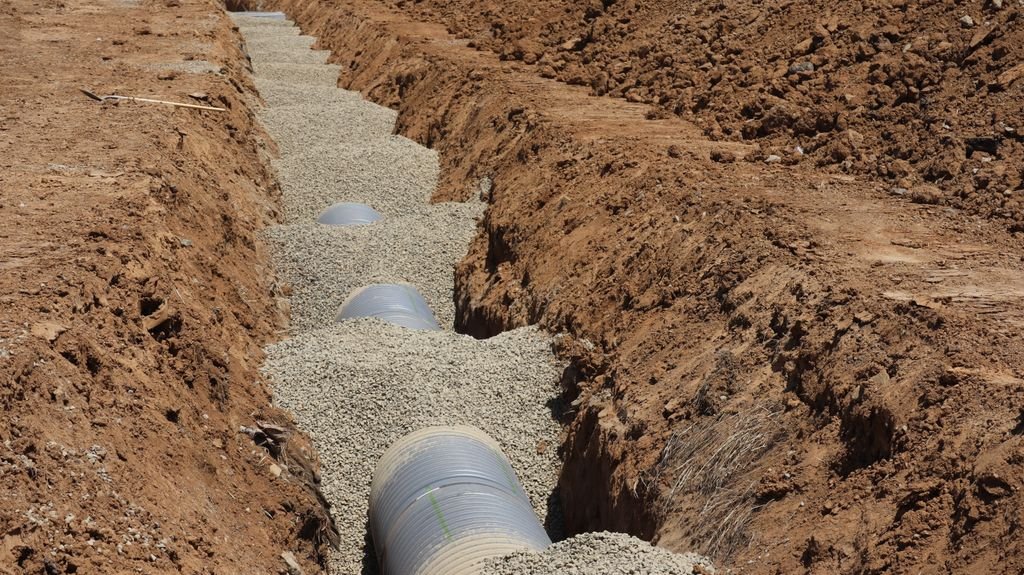
Service line coverage can help pay to repair or replace certain damaged underground utility pipes and wiring connected to your home. It may address a gap in a standard homeowners policy, but the covered lines, causes of failure, limits and exclusions depend on the actual endorsement.
Before buying it, answer three questions: which lines are your responsibility, what failures the contract covers and how much of a repair bill you would still pay. This guide explains those questions for U.S. homeowners, with a simple payment example and a checklist for comparing options.
What Is Service Line Coverage?
Service line coverage is protection for specified underground utility lines following a covered failure. Insurers may offer it as an optional homeowners endorsement or within a package. It is sometimes described as buried utility line coverage.
It concerns the line itself and potentially specified related expenses. A sewer pipe repair, a flooded basement and a public water-main repair are different issues; do not assume one endorsement handles all three.
Safeco’s service line coverage overview identifies water, sewer, power, gas and cable lines as examples. It also ties eligibility to ownership or responsibility for repair under law, regulation or a service agreement. Use your own contract to confirm the covered segment and where protection ends.
Which Underground Lines May Be Covered?
Start with an inventory rather than assuming every pipe below your yard qualifies. Ask the insurer to identify which of the following are included:
- Water supply and sewer lines.
- Underground electrical wiring.
- Gas or other fuel piping.
- Communication, cable or data lines.
- Other specifically listed underground connections.
Confirm the route and ownership with the utility or relevant local authority. A line crossing your property is not necessarily yours to repair, and a public utility’s responsibility may end before the connection reaches your home.
Ask about shared lines, detached buildings and any segment under a structure. Do not infer coverage from a diagram or a neighbor’s experience. Record the insurer’s answer and the relevant endorsement wording.
What Can Service Line Coverage Pay For?
The contract may include more than the damaged pipe or wire. Plymouth Rock’s utility service line overview, for example, lists excavation, expediting repairs, outdoor property damage and living expenses during repairs among its benefits. Those examples describe that insurer’s offering; they are not universal promises.
When comparing policies, separate the proposed bill into line repair, access work and restoration. Digging a trench, replacing the failed section and restoring a walkway are distinct cost items. Ask whether each shares the main limit, has a separate sublimit or falls outside coverage.
Also ask whether there is any allowance for temporary arrangements if essential service is interrupted. Obtain the conditions and authorization requirements before assuming a hotel, temporary connection or expedited work will be reimbursed.
Covered Causes and Important Exclusions
Some service line endorsements cover causes that ordinary homeowners insurance may exclude for the line itself. Safeco lists wear and tear, corrosion, mechanical breakdown, freezing and root invasion among its covered causes. This makes the endorsement worth reviewing separately from your base policy.
However, a service problem is not always a covered physical failure. ERIE’s discussion of roots and sewer backups says its service line coverage excludes blockages or low pressure without physical damage. It also describes restrictions for certain lines under structures, unused lines and parts of septic systems. Read the equivalent provisions in the product you are considering.
Questions to take to your agent include:
- Must the line have a leak, break, collapse or other defined physical damage?
- Is routine cleaning or inspection covered, or only work following a covered failure?
- Are pre-existing conditions, disconnected lines or certain materials excluded?
- Are tanks, wells and septic components treated differently from the lines serving them?
- Does location under a building, driveway or body of water change eligibility?
These are review questions, not a list of exclusions shared by every policy. Ask for the endorsement itself rather than relying only on a marketing summary.
Service Line Coverage vs. Sewer Backup Coverage
Service line coverage focuses on specified underground piping or wiring. Water backup coverage addresses a different question: damage caused when water backs up or overflows in circumstances described by that coverage.
Travelers’ homeowners coverage overview explains that its water backup and sump pump coverage can help with damage from specified sewer, drain or sump events, subject to a dollar limit, and excludes flood or surface water backup.
| Problem to investigate | Coverage question |
|---|---|
| A broken underground sewer pipe | Does the service line endorsement cover this line and cause? |
| Water backs up into the basement | Does water backup coverage apply to the resulting damage? |
| An indoor plumbing leak | What does the homeowners policy say about the cause and resulting damage? |
| A public utility main fails | Who owns the failed segment and is responsible for repair? |
A single incident can raise several questions, but buying one coverage does not establish that every part of the loss is insured. For a narrower pipe-specific discussion, read whether homeowners insurance covers sewer line replacement.
How Limits and Deductibles Affect a Claim
Look at the service line limit and its deductible separately from your dwelling limit. Ask whether the limit applies per event, per line or over the policy period, and how multiple failures from one event are handled.
For an illustrative example, assume all of the following:
- The endorsement applies to the damaged line and cause.
- The insurer accepts $8,000 of covered repair, excavation and restoration expenses.
- The applicable limit is $10,000, with a $500 deductible.
- No sublimit, other deduction or separate restriction changes the calculation.
Illustrative insurer payment: $8,000 − $500 = $7,500.
You would pay the $500 deductible, plus any excluded work. If a contractor’s total bill is $9,000 but only $8,000 is accepted as covered, your total contribution could be $1,500 under these assumptions. That is why the definition of covered expenses matters as much as the advertised limit.
These amounts are hypothetical, not a quote or typical claim. Ask how your policy applies its limit and deductible before using the example to estimate a payment.
Is Service Line Coverage Worth It?
It may be useful when a substantial uninsured repair would strain your finances and the endorsement covers the particular lines and failure risks you face. A decision should connect the actual contract to your property, rather than rely on the general possibility of an expensive repair.
Build a short comparison using these factors:
- Your responsibility: Identify the segments you would have to repair.
- Line information: Gather available records of age, material, previous work and condition without guessing.
- Access: Consider what would need to be disturbed to reach a failed segment.
- Coverage: Match the wording to those lines and possible failures.
- Cost sharing: Compare the premium, deductible, limits and excluded expenses.
- Other protection: Check any existing utility plan or warranty for overlap and gaps.
Request a quote for your property instead of relying on an online national average. Ask whether the price requires a package containing other coverages, and compare the full added cost.
Also consider how much you can comfortably pay yourself. Our guide to how much to keep in savings can help frame an emergency reserve. Insurance and savings can serve different parts of the same plan; a policy does not eliminate every out-of-pocket expense.
Compare an Endorsement With a Utility Protection Plan
If you have received an offer for an exterior line plan, compare the actual terms alongside the insurance endorsement. Do not treat similar names as proof that the products provide identical protection.
Create two columns and record the covered lines, ownership rules, failure definitions, exclusions, limits, deductible or service fee, waiting period if any and contractor arrangements. Include cancellation and renewal terms in the comparison.
Ask who handles a claim, whether prior approval is required and what happens if the necessary repair exceeds the available benefit. If you already have a plan, check whether another product duplicates only part of it. Do not cancel existing protection until you understand the effective dates and any gaps.
What to Do When a Line Fails
Put safety first. If there is a suspected gas leak, electrical hazard or other emergency, contact the appropriate emergency service or utility from a safe location. Do not dig or attempt hazardous repairs yourself.
For the insurance process, use this organizational checklist:
- Notify the insurer promptly and ask for the applicable claim instructions.
- Confirm which utility or contractor should assess the problem.
- Document symptoms, dates and visible damage when safe.
- Request an itemized diagnosis identifying the location and cause of failure.
- Ask about authorization before non-emergency excavation or replacement.
- Keep photographs, reports, invoices and communications.
Ask which immediate steps are needed to prevent further damage and what documentation the insurer needs. Do not delay emergency safety measures while waiting for an ordinary claim response. Keep the final bill separated into repair, access, restoration and other charges to make review easier.
If you disagree with a coverage decision, request the reason and relevant wording in writing. Start with the claim reviewer or supervisor, and consult your state insurance department about available consumer assistance when needed.
Frequently Asked Questions
Does standard homeowners insurance include service line coverage?
Do not assume it does. Review the declarations and endorsements for a specific service line or buried utility line provision. Ask whether protection is included, optional or unavailable for your policy.
Does it cover indoor plumbing?
Check the covered-line definition and location restrictions. An endorsement for exterior underground lines does not automatically answer an indoor pipe claim. Our homeowners insurance and plumbing guide explores that separate issue.
Does it pay for every sewer blockage?
No universal promise applies. Determine whether physical damage is required and whether the cause meets the endorsement’s definition of a covered failure. Routine clearing and repairing a damaged line may receive different treatment.
Will it replace the entire yard or driveway?
Ask what restoration expenses qualify, whether there are sublimits and how the insurer defines necessary work. Do not assume unrelated improvements or complete replacement of undamaged areas are included.
Can I buy coverage after a line has already failed?
Do not assume a new endorsement will pay for an existing problem. Disclose known conditions accurately and ask about eligibility, effective dates and any waiting or inspection requirements before buying.
This article provides general education for U.S. homeowners. Coverage depends on the policy, endorsement, state and facts of the loss. Confirm your own terms with the insurer.