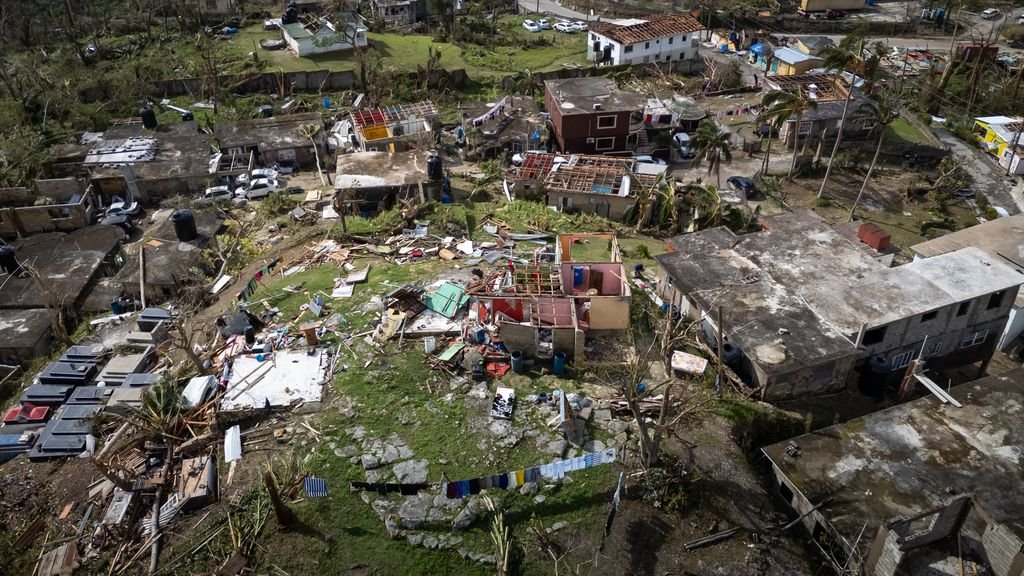
Renters insurance may cover hurricane damage to your personal belongings when the loss results from a covered event such as wind, wind-driven rain entering through storm damage, or certain related incidents.
However, standard renters insurance generally does not cover external flooding or storm surge. Renters usually need separate contents-only flood insurance to protect belongings from rising water.
Coverage for evacuation expenses, hotel stays, power outages, and spoiled food is more complicated. These expenses generally require an underlying covered loss or a specific provision in the policy.
The source of the damage—not simply the fact that a hurricane occurred—determines which insurance may apply.
Hurricane Coverage at a Glance
| Hurricane-related loss | Standard renters insurance may cover it? | Important consideration |
|---|---|---|
| Wind damages personal belongings | Often | Wind must be covered under the policy |
| Rain enters through a wind-damaged roof | Possibly | Wind generally must first create the opening |
| Rain enters through an open window | Usually not | Negligence or lack of storm-created opening may apply |
| Rising external floodwater | No | Separate flood insurance is generally required |
| Storm surge | No | Storm surge is considered flooding |
| River or coastal flooding | No | Requires separate flood coverage |
| Hotel after covered wind damage | Possibly | Rental generally must be uninhabitable |
| Hotel during precautionary evacuation | Usually not automatically | Civil-authority or evacuation terms matter |
| Food spoiled during power outage | Possibly | Cause and policy terms determine coverage |
| Electronics damaged by lightning | Possibly | Lightning is commonly a covered peril |
| Electronics damaged by a general outage | Often not | Off-premises utility failure may be excluded |
| Car damaged by wind or flood | No | Comprehensive auto coverage may apply |
| Landlord’s roof, walls, or windows | No | Landlord’s property insurance handles the building |
| Bicycle damaged by covered wind | Possibly | Personal-property limits and deductible apply |
Policy forms, state requirements, exclusions, deductibles, and endorsements vary. Review your own policy before relying on any general outcome.
What Part of Hurricane Damage Does Renters Insurance Cover?
Renters insurance primarily protects possessions you own rather than the rental building.
Relevant protections commonly include:
Personal-property coverage
This may repair or replace eligible belongings damaged by a covered hurricane-related event, including:
- Furniture
- Clothing
- Electronics
- Appliances you own
- Kitchenware
- Rugs
- Bicycles
- Books
- Other household possessions
Your payment remains subject to the personal-property limit, deductible, special-item limits, and settlement method.
Loss-of-use coverage
If covered hurricane damage makes the rental uninhabitable, loss-of-use coverage may help with necessary additional living expenses.
Potential expenses include:
- Hotel or temporary rental
- Additional meal costs
- Laundry
- Pet boarding
- Extra transportation
- Temporary storage
This coverage is not automatically triggered by every hurricane warning or evacuation order.
Personal liability coverage
Liability coverage may respond if you are legally responsible for covered injury or property damage to someone else. It does not generally pay for hurricane damage to the landlord’s building or your own possessions.
Does Renters Insurance Cover Hurricane Wind Damage?
Wind is commonly covered under standard renters insurance, meaning belongings damaged by hurricane winds may qualify for personal-property coverage.
Examples could include:
- Wind breaks a window and damages furniture.
- A windblown object enters the rental and damages electronics.
- The roof is torn open and debris damages your possessions.
- A tree limb breaks through the building and damages clothing or furniture.
- Wind damages belongings kept on a covered balcony or patio.
Coverage is not guaranteed in every location. Coastal policies may exclude wind, restrict windstorm coverage, or require a separate wind policy.
FloodSmart explains that most property insurance policies, including renters insurance, typically cover wind damage while excluding flood damage. Some high-risk areas may require separate wind-only protection. Review the distinction between wind and flood insurance.
Renters in coastal regions should ask:
- Is hurricane wind covered?
- Is windstorm damage excluded?
- Is a separate wind policy required?
- Does a hurricane or named-storm deductible apply?
- Are balcony possessions covered?
- What happens if wind and flood contribute to the same loss?
Does Renters Insurance Cover Rain Damage During a Hurricane?
Renters insurance may cover belongings damaged when hurricane wind first creates an opening in the building and rain enters through that opening.
For example, coverage may apply when:
- Hurricane wind damages the roof.
- Rain immediately enters through the damaged roof.
- The rain damages your furniture and electronics.
Coverage is less likely when:
- You left an undamaged window open.
- Rain entered through a long-term roof leak.
- Water seeped through an unrepaired wall over time.
- The damage resulted from poor maintenance.
- The water rose from the ground.
- Floodwater entered through doors or foundation openings.
The difference between covered internal rain damage and excluded flooding can be difficult to determine after a severe storm. Photograph the direction, height, and apparent entry point of the water before cleanup when it is safe.
Our separate guide explains when renters insurance covers water damage from pipes, appliances, rain, and other sources.
Does Renters Insurance Cover Hurricane Flooding?
Standard renters insurance generally does not cover belongings damaged by external flooding.
Excluded sources commonly include:
- Storm surge
- Rising coastal water
- Overflowing rivers
- Surface water
- Flash flooding
- Water flowing across normally dry ground
- Flooding caused by heavy rainfall
FloodSmart identifies storm surge from hurricanes as a type of flood and explains that flood insurance is available to renters as well as homeowners and businesses. See how the National Flood Insurance Program defines flood risks.
The distinction remains important even when wind and flooding occur during the same hurricane:
- Renters insurance may cover eligible wind damage.
- Flood insurance may cover eligible flood damage.
- Neither policy automatically covers every hurricane-related loss.
You may need to submit separate claims when both wind and flood damage your possessions.
Can Renters Buy Flood Insurance?
Renters can purchase contents-only flood insurance through the National Flood Insurance Program or an eligible private flood insurer.
A landlord’s flood policy ordinarily protects the building, not the tenant’s personal belongings. FloodSmart specifically notes that renters need their own contents coverage because the landlord’s policy does not protect possessions belonging to tenants. Review NFIP flood insurance information for renters.
A renters flood policy may cover eligible items such as:
- Furniture
- Clothing
- Electronics
- Curtains
- Portable appliances
- Certain valuable property within policy limits
Flood policies have their own limits and exclusions. NFIP contents coverage generally does not provide additional living expenses, and coverage for property located in a basement is significantly restricted.
Flood insurance commonly has a waiting period before it becomes effective. Do not wait until a hurricane is approaching to purchase protection.
Ask an insurance professional:
- How long is the waiting period?
- What contents limit should I select?
- Are replacement-cost settlements available for renters’ contents?
- What basement restrictions apply?
- Does the policy cover temporary housing?
- How are valuables treated?
- Is private flood insurance available?
What Is Storm Surge?
Storm surge is an abnormal rise in seawater generated by a hurricane or another coastal storm.
Although storm surge accompanies a windstorm, insurance generally treats the resulting water as flooding rather than wind damage. Standard renters insurance consequently does not usually cover belongings damaged by storm surge.
This distinction applies even when:
- The apartment is near the coast.
- Hurricane wind pushed the water inland.
- The surge entered through a wind-damaged opening.
- Local officials ordered an evacuation.
- The storm received a federal disaster declaration.
Separate flood insurance is normally required for storm-surge protection.
Does Renters Insurance Pay for a Hotel During a Hurricane?
Loss-of-use coverage may pay necessary additional living expenses if covered hurricane damage makes your rental uninhabitable.
For example:
- Covered hurricane wind damages the roof.
- Rain and debris make the apartment unsafe.
- The landlord requires extensive repairs.
- You temporarily move to a hotel.
In this situation, loss-of-use coverage may help with reasonable additional expenses, subject to its limits.
The Texas Department of Insurance explains that homeowners or renters insurance may pay for a hotel or rental when covered damage prevents the policyholder from remaining at home. Review its storm insurance guidance.
Coverage normally applies only to the increase above your regular expenses.
For example:
Normal weekly food cost: $150
Temporary weekly restaurant cost: $260
Potential additional meal expense: $110
Calculation:
$260 − $150 = $110 in additional weekly cost
The insurer would evaluate whether that additional cost is reasonable, necessary, and caused by a covered loss.
See how hotel, food, transportation, and storage expenses work under renters insurance loss-of-use coverage.
What If You Evacuate Before the Hurricane?
A mandatory evacuation order does not automatically guarantee hotel coverage.
Standard loss-of-use coverage frequently requires direct covered damage to the rental. Some policies contain civil-authority or prohibited-use provisions that may provide limited coverage when authorities prevent access because of nearby covered damage.
Coverage may not apply when:
- You leave voluntarily as a precaution.
- Authorities recommend evacuation without covered damage.
- Roads close because of an excluded flood.
- Utilities fail without covered property damage.
- The only cause of displacement is storm surge or flooding.
- You decide not to return although the apartment remains habitable.
Before evacuating, safety must take priority over insurance questions. Once safe, contact the insurer and ask:
- Does the policy cover mandatory evacuation?
- Is a civil-authority order required?
- Must covered damage exist nearby?
- How many days are available?
- What expenses qualify?
- What documentation is required?
Keep evacuation orders, hotel invoices, meal receipts, transportation records, and communications from the landlord.
Does Renters Insurance Cover Spoiled Food?
Renters insurance may cover refrigerated food spoiled during a power outage when the outage results from a covered peril, but policies vary.
Coverage is more likely when:
- Lightning directly damages electrical equipment.
- Covered wind damage interrupts power within the building.
- Another covered loss damages the rental’s wiring.
Coverage may be excluded or limited when:
- The electrical grid fails away from the residence.
- Utility service is intentionally shut off.
- Flooding causes the outage.
- The refrigerator fails because of wear and tear.
- The food value is below the deductible.
- The policy has no refrigerated-property coverage.
Some policies offer limited food-spoilage coverage with a separate limit or deductible.
Document discarded food with photographs and an itemized list before disposal. Follow public-health guidance and do not consume food that may be unsafe merely to preserve evidence.
Does Renters Insurance Cover Electronics Damaged by a Power Surge?
Electronics may be covered when the power surge results from lightning or another covered event.
Potentially covered items could include:
- Television
- Computer
- Gaming console
- Router
- Small appliances
- Audio equipment
A general electrical failure, utility interruption, mechanical breakdown, or gradual wiring problem may not be covered.
Ask whether your policy includes:
- Lightning damage
- Artificially generated electrical-current coverage
- Equipment breakdown coverage
- Off-premises power failure
- Special electronics limits
- Replacement-cost settlement
Surge protectors and unplugging devices before an approaching storm can reduce risk, but only do so while conditions remain safe.
Does Renters Insurance Cover Hurricane Damage to a Car?
Renters insurance does not cover physical damage to a car, motorcycle, RV, or another motor vehicle.
Comprehensive auto coverage may cover damage caused by:
- Hurricane wind
- Flooding
- Falling trees
- Flying debris
- Hail
- Vandalism
- Theft
If belongings are stolen from or damaged inside the car, renters insurance may cover eligible personal property while auto insurance handles the vehicle.
Confirm that your auto policy includes comprehensive coverage before storm season. Liability-only auto insurance does not cover hurricane damage to your own vehicle.
What About Bicycles and Other Personal Property?
A standard bicycle is generally personal property and may be covered when hurricane wind or another covered peril damages it.
However, coverage depends on:
- Personal-property limit
- Deductible
- Whether the bicycle was at an insured location
- Off-premises limits
- Policy exclusions
- E-bike classification
- Special bicycle endorsement
Some e-bikes may fall within a motorized-vehicle exclusion depending on their power, speed, and policy definition.
Move bicycles and outdoor belongings indoors before the storm when it is safe. Items left outside may be more vulnerable, and certain policies limit coverage for property in open areas.
Landlord Insurance vs. Renters Insurance
A hurricane can create separate claims for the building and the tenant’s possessions.
| Damaged property or expense | Policy that may apply |
|---|---|
| Roof | Landlord’s property insurance |
| Walls and windows | Landlord’s property insurance |
| Installed flooring | Landlord’s property insurance |
| Building plumbing and wiring | Landlord’s property insurance |
| Tenant’s furniture | Renters insurance or flood insurance |
| Tenant’s clothing | Renters insurance or flood insurance |
| Tenant’s electronics | Renters insurance or flood insurance |
| Tenant’s temporary housing | Renters loss-of-use coverage, if triggered |
| Tenant’s car | Comprehensive auto insurance |
The landlord’s insurance does not normally replace possessions owned by a tenant. Likewise, renters insurance does not repair the landlord’s roof or walls.
If you are unsure whether your belongings are adequately insured, calculate how much personal property coverage you need before hurricane season.
Do Renters Policies Have Hurricane Deductibles?
Some renters policies may use a hurricane, named-storm, or windstorm deductible, especially in coastal areas. Other policies apply the regular personal-property deductible.
A special deductible might be:
- A fixed dollar amount
- A percentage of a stated coverage limit
- Triggered only by an officially designated hurricane
- Triggered by any named storm
- Applied according to state-specific rules
Consider this hypothetical example:
Personal-property limit: $30,000
Hurricane deductible: 2%
Potential deductible: $600
Calculation:
$30,000 × 2% = $600
The percentage may apply to a particular coverage limit rather than the amount of the loss. Policy definitions and state rules determine when the deductible begins and ends.
Check the declarations page for terms such as:
- Hurricane deductible
- Named-storm deductible
- Tropical-cyclone deductible
- Windstorm deductible
- Wind and hail deductible
Never assume that a 2% deductible means 2% of the repair bill.
Replacement Cost vs. Actual Cash Value
The settlement method can substantially affect a hurricane claim.
Actual cash value
Actual cash value considers depreciation based on age, condition, and remaining useful life.
A five-year-old television may receive a payment far below the price of a new replacement.
Replacement cost
Replacement-cost coverage generally pays the eligible cost of purchasing a comparable new item, subject to policy limits.
The insurer may initially pay actual cash value and release recoverable depreciation after you replace the property and provide receipts.
Create a home inventory containing:
- Item description
- Brand and model
- Serial number
- Purchase date
- Original price
- Current replacement cost
- Photographs
- Receipts
Store copies online or somewhere outside the hurricane-risk area.
How to Prepare Before a Hurricane
Review every relevant policy
Check your:
- Renters insurance
- Flood insurance
- Auto insurance
- Valuable-items endorsements
- Windstorm policy, if applicable
Confirm coverage gaps
Ask specifically about:
- Wind
- Wind-driven rain
- Flood
- Storm surge
- Named-storm deductible
- Mandatory evacuation
- Civil-authority coverage
- Food spoilage
- Power surge
- Temporary housing
Update your inventory
Photograph every room, closet, drawer, storage area, and valuable item. Record serial numbers.
Protect documents
Keep digital and waterproof copies of:
- Insurance policies
- Identification
- Lease
- Inventory
- Receipts
- Emergency contacts
- Prescription information
Protect belongings
When authorities say there is sufficient time and it is safe:
- Move belongings away from windows.
- Raise valuable property above floor level.
- Bring outdoor possessions indoors.
- Use waterproof containers.
- Unplug nonessential electronics.
- Take essential documents and medication during evacuation.
Follow official evacuation instructions. Property can be replaced; personal safety cannot.
How to File a Hurricane Claim
1. Wait until it is safe
Do not return before authorities permit it. Avoid floodwater, unstable structures, broken glass, downed wires, and gas leaks.
2. Contact the landlord
Report building damage immediately. The landlord must handle structural repairs.
3. Notify each relevant insurer
You may need separate claims for:
- Wind damage under renters insurance
- Flood damage under flood insurance
- Vehicle damage under auto insurance
4. Photograph the cause and damage
Document:
- Waterlines
- Broken windows
- Roof openings
- Debris
- Direction of fallen objects
- Damaged belongings
- Every affected room
5. Prevent additional damage
Move undamaged belongings to a safe area when possible. Do not make unsafe or permanent repairs without instructions.
6. Keep damaged property
Do not discard possessions until an adjuster authorizes it, unless they create a health hazard. Photograph anything that must be removed.
7. Keep every receipt
Retain invoices for:
- Emergency supplies
- Hotel
- Meals
- Laundry
- Transportation
- Storage
- Temporary repairs
8. Maintain a claim log
Record claim numbers, dates, adjuster names, conversations, requested documents, and deadlines.
Frequently Asked Questions
Does renters insurance cover hurricane wind damage?
Usually, it may cover eligible personal belongings damaged by wind unless the policy excludes windstorms or hurricanes. Coastal renters may need separate wind coverage.
Does renters insurance cover storm surge?
No, standard renters insurance generally excludes storm surge because it is considered flooding. Separate flood insurance is normally required.
Does renters insurance cover rain entering through a broken window?
It may if covered wind first broke the window and rain entered through that storm-created opening. Rain through a window left open is less likely to be covered.
Will renters insurance pay for evacuation expenses?
Not automatically. Coverage may require covered damage, a qualifying civil-authority order, or a specific policy provision.
Does renters insurance cover a hotel after a hurricane?
It may when covered hurricane damage makes the rental uninhabitable. Hotels required only because of excluded flooding may not be covered.
Does renters insurance cover hurricane flood damage?
Standard renters insurance generally does not. Renters need separate contents-only flood insurance for eligible belongings damaged by rising water.
Does the landlord’s insurance cover a tenant’s belongings?
Normally not. The landlord’s policy protects the building, while the tenant needs renters and possibly flood insurance for personal possessions.
Can I buy flood insurance immediately before a hurricane?
Flood insurance commonly has a waiting period. Purchase it well before a hurricane threat develops and confirm the effective date.
Does renters insurance cover mold after a hurricane?
Mold coverage depends on its cause and policy limits. Mold resulting from excluded flooding, gradual moisture, or delayed mitigation is commonly excluded. Read more about when renters insurance may cover mold.
Final Thoughts
Does renters insurance cover hurricane damage? It may cover belongings damaged by hurricane wind, flying debris, lightning, or rain entering through a storm-created opening.
Standard renters insurance generally does not cover storm surge, rising water, or other external flooding. Renters need separate flood insurance to protect eligible possessions against those losses.
Hotel and evacuation costs are not automatically covered. Loss-of-use coverage usually requires covered property damage or another qualifying policy provision. Car damage belongs under comprehensive auto insurance, while the landlord’s policy handles the rental building.
Before hurricane season, review wind and flood protection, check for a named-storm deductible, update your home inventory, and understand how evacuation and temporary-housing coverage work. After a storm, document the cause of every loss carefully because wind and flood claims may be handled by different policies.
This article provides general educational information and does not constitute individualized insurance, legal, or emergency-management advice. Coverage depends on the insurer, policy, endorsements, exclusions, location, and circumstances of the loss. Follow official safety instructions and consult appropriately qualified professionals about your situation.