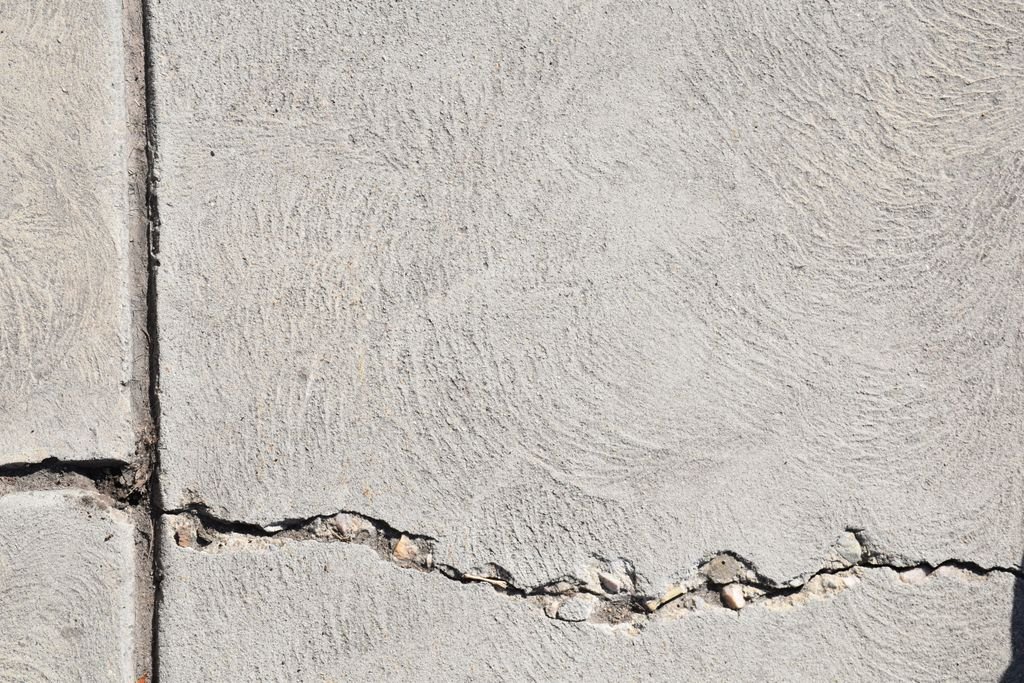
Foundation damage can range from a small, harmless crack to a serious structural problem affecting floors, walls, plumbing, doors, and windows. Because repairs can be expensive, homeowners naturally want to know whether their insurance policy will help pay the bill.
So, does homeowners insurance cover foundation repair? It may cover the repair when the foundation is damaged by a sudden event covered under the policy, such as a fire, explosion, vehicle impact, or another insured peril. However, policies generally do not cover foundation problems caused by settling, soil movement, poor construction, neglect, flooding, or gradual deterioration.
The critical question is not simply whether the foundation is damaged. The insurance company will investigate what caused the damage and whether that cause is covered or excluded by the policy.
How Homeowners Insurance Applies to a Foundation
A home’s foundation is generally considered part of the insured dwelling. Dwelling coverage—often identified as Coverage A—helps protect the house and structures permanently attached to it against covered causes of loss.
According to Progressive’s foundation coverage guidance, a foundation may be protected under dwelling coverage when damage results from a covered event. Foundation cracks caused by settling or routine maintenance problems, however, are generally not covered.
Coverage depends on several factors:
- The direct cause of the damage
- The exclusions listed in the policy
- Whether the damage occurred suddenly or gradually
- Whether the homeowner took reasonable steps to maintain the property
- The dwelling coverage limit
- The policy deductible
- Applicable endorsements or additional policies
Two homes with similar cracks may receive different claim decisions if the cracks developed for different reasons.
When Homeowners Insurance May Cover Foundation Repair
Homeowners insurance may help pay for foundation repairs when a covered peril directly causes the damage. Exact coverage varies, but the following situations are more likely to qualify.
Fire
A severe house fire can weaken concrete, damage structural supports, or require parts of the foundation to be repaired during reconstruction.
Fire is commonly covered by homeowners insurance. If investigators connect the foundation damage directly to the fire, dwelling coverage may help pay for necessary repairs, subject to the policy’s limits and deductible.
Explosion
An accidental explosion involving gas, heating equipment, or another covered source may damage the foundation or shift structural components.
If explosion is a covered peril under the policy, resulting foundation repairs may be included in the claim.
Vehicle Impact
A vehicle that crashes into a house can damage exterior walls, support columns, slabs, or the foundation itself.
Coverage may apply when the policy covers vehicle impact and the damage was not intentionally caused by the homeowner or another insured person.
Falling Objects
A large falling tree or another heavy object can cause structural damage extending into the foundation.
The insurer will examine whether the falling object was a covered cause of loss and whether the foundation damage resulted directly from the impact.
Vandalism
Intentional damage committed by someone who is not an insured person may be covered when vandalism is included in the policy.
Coverage could apply if the vandalism directly damages foundation components, although exclusions may apply to a property left vacant for an extended period.
Sudden Accidental Plumbing Damage
A pipe that suddenly bursts beneath or near the foundation may cause damage requiring part of the slab to be opened, removed, or repaired.
Coverage in these situations can be complicated. A policy may help pay for resulting damage and the cost of accessing a damaged pipe, while excluding the cost of replacing the worn or defective pipe itself.
Progressive explains that coverage for water damage often depends on whether the event was sudden and accidental or resulted from a neglected repair. Allstate’s water-damage guidance similarly notes that dwelling coverage may apply when a suddenly burst pipe damages the home.
Review our explanation of coverage for water heater leaks and resulting water damage for another example of how insurers distinguish the failed item from the damage it causes.
When Foundation Repair Is Usually Not Covered
Many foundation problems develop slowly or result from causes commonly excluded by standard homeowners policies.
Normal Settling
A house can settle gradually as the soil beneath it compresses and the building adjusts over time.
Small cracks associated with ordinary settling are generally considered a maintenance or construction issue rather than sudden insured damage. The homeowner is normally responsible for monitoring and repairing them.
Soil Expansion and Contraction
Some types of soil expand when wet and shrink when dry. Repeated movement can place pressure on a slab or foundation and eventually cause cracking or displacement.
Because this process occurs gradually and involves earth movement, standard homeowners insurance commonly excludes it.
Earth Movement
Typical homeowners policies generally exclude damage caused by:
- Earthquakes
- Landslides
- Mudslides
- Ground sinking
- Soil movement
- Earth shifting
- Certain sinkholes
The National Association of Insurance Commissioners explains that earthquakes are not ordinarily covered by standard homeowners insurance. Protection may require a separate earthquake policy or endorsement. Review the NAIC’s earthquake insurance information for additional details.
Some states have special requirements or optional coverage for sinkholes or catastrophic ground collapse. Policy language and state law determine whether any protection applies.
Flooding
Standard homeowners insurance generally does not cover damage caused by external flooding.
This includes water entering the property because of:
- Heavy rainfall
- Storm surge
- Overflowing rivers
- Surface-water accumulation
- Widespread neighborhood flooding
The National Flood Insurance Program states that most homeowners policies do not cover flood damage. Separate flood insurance may protect an eligible building against certain direct flood losses, subject to policy terms and exclusions. FloodSmart explains the difference.
Flood insurance does not automatically cover every cracked or shifting foundation. The damage must meet the policy’s definition of a covered direct physical loss caused by flooding.
Poor Construction or Defective Materials
Insurance is not a warranty for the quality of a home’s original construction.
Foundation damage caused by inadequate reinforcement, incorrect soil preparation, poor drainage design, defective concrete, or improper construction is commonly excluded.
The resulting damage from a separate covered event may sometimes receive different treatment, but the insurer generally will not pay simply to correct defective workmanship.
A builder’s warranty, contractor’s insurance, or legal claim against a responsible party may be more relevant in this situation.
Wear and Tear
Concrete and structural components can deteriorate because of age, moisture exposure, corrosion, repeated temperature changes, or lack of maintenance.
Gradual deterioration and wear and tear are generally excluded because homeowners insurance is designed mainly for sudden accidental losses—not predictable maintenance costs.
The same distinction applies to many household systems. For example, insurance may cover HVAC damage caused by a covered peril but normally excludes an aging system that stops working because of ordinary mechanical wear.
Neglected Drainage or Maintenance
The insurer may deny coverage when the homeowner knew about a problem but failed to take reasonable steps to prevent further damage.
Examples include:
- Ignoring a long-term plumbing leak
- Allowing gutters to discharge water beside the foundation
- Failing to repair damaged drainage
- Leaving visible foundation cracks unexamined for years
- Ignoring repeated basement water intrusion
Homeowners are expected to maintain the property and prevent avoidable damage.
Tree-Root Damage
Tree roots may gradually disturb soil, affect drainage, or place pressure on foundation components.
Because root-related damage usually develops over time and may be considered preventable maintenance, it is often excluded. Coverage will depend on the specific cause and policy language.
Foundation Coverage Examples
The following examples illustrate how the cause can change the likely claim outcome:
| Situation | Likely result |
|---|---|
| A covered house fire damages the foundation | May be covered |
| A vehicle crashes into the home and cracks the slab | May be covered |
| A sudden pipe burst damages the slab and interior flooring | Resulting damage may be covered |
| The house gradually settles over several years | Usually not covered |
| Expansive soil causes gradual cracking | Usually not covered |
| Poor original construction weakens the foundation | Usually not covered |
| External flooding damages the foundation | Generally requires flood insurance |
| An earthquake shifts the foundation | Generally requires earthquake coverage |
| A known leak is ignored for months | Often excluded as neglect or gradual damage |
These are general examples. The policy, endorsements, inspection findings, and state rules will control the actual outcome.
Does Insurance Cover Cracks in the Foundation?
Insurance does not normally cover a foundation crack merely because the crack exists.
An adjuster will investigate why it appeared.
A crack may have a better chance of coverage if it appeared immediately after a covered event, such as:
- A fire
- An explosion
- A vehicle impact
- A covered falling object
- Sudden accidental plumbing damage
A crack is less likely to be covered when an inspection attributes it to settling, soil pressure, poor construction, age, moisture problems, or neglected maintenance.
Crack size alone does not establish coverage. Even a serious crack may be excluded if its cause is not insured.
What About Resulting Damage Inside the House?
Foundation movement can damage other parts of the home, including:
- Drywall
- Flooring
- Doors and windows
- Plumbing
- Cabinets
- Interior walls
- Exterior siding
Coverage for resulting damage still depends on the original cause.
If an excluded event causes the foundation to move, damage to walls and flooring may also be excluded. However, policy wording sometimes treats ensuing losses differently when an excluded condition leads to a separate covered event.
For example, faulty construction may be excluded, but a subsequent covered fire might still receive coverage. These situations require a careful review of the policy and claim facts.
How to File a Foundation Insurance Claim
If foundation damage may have resulted from a covered event, take the following steps.
1. Prevent Additional Damage
Take reasonable temporary measures to stop the loss from becoming worse, provided it is safe to do so.
For example, shut off the water supply after a pipe burst or arrange temporary protection for an exposed area. Keep receipts for emergency work.
Do not make extensive permanent repairs before the insurer has had an opportunity to inspect the damage unless immediate work is necessary for safety.
2. Document the Damage
Collect clear evidence, including:
- Photographs of every visible crack
- Videos showing the surrounding area
- Images of damaged flooring, walls, doors, and plumbing
- The approximate date the problem appeared
- Maintenance and repair records
- Plumbing reports
- Foundation inspection reports
- Receipts for emergency work
- Photographs taken before the event, if available
Documentation should show both the damage and the event that may have caused it.
3. Review Your Policy
Look for the sections covering:
- Dwelling coverage
- Covered perils
- Exclusions
- Earth movement
- Water damage
- Flood
- Faulty construction
- Wear and tear
- Duties after a loss
- Deductibles
- Ordinance or law coverage
An exclusion endorsement can materially change the standard coverage described in a general guide.
4. Contact the Insurer Promptly
Notify the insurance company as soon as reasonably possible. Describe what happened without guessing about technical causes.
A claims adjuster may inspect the home and request reports from structural engineers, plumbers, contractors, or other specialists.
5. Obtain an Independent Assessment
Consider hiring a qualified structural engineer when the cause or seriousness of the damage is uncertain.
A repair contractor can estimate the cost, but an independent engineer may be better positioned to explain why the foundation moved and whether the home is structurally safe.
6. Keep All Estimates and Communications
Save:
- Contractor estimates
- Engineering reports
- Emails
- Claim letters
- Adjuster notes
- Receipts
- Policy documents
- Photographs
- A timeline of telephone calls
If the claim is denied, request the decision and the relevant policy language in writing.
Should You File a Claim?
Before filing, compare the estimated covered damage with your deductible.
A claim may offer limited financial benefit when covered repairs are only slightly higher than the deductible. However, foundation damage connected to a serious structural loss can be costly enough to justify filing promptly.
Do not delay notifying the insurer merely because the final cost is unknown. Policies commonly require timely notice, and waiting could make it harder to establish when and how the damage occurred.
You can ask the insurer or agent general coverage questions, but understand whether the conversation will be recorded as a claim inquiry.
How to Reduce the Risk of Foundation Damage
Preventive maintenance cannot eliminate every foundation problem, but it may reduce avoidable damage.
Useful measures include:
- Directing downspouts away from the foundation
- Keeping gutters clear
- Repairing plumbing leaks promptly
- Monitoring existing cracks
- Maintaining appropriate drainage grading
- Avoiding excessive water accumulation near the house
- Having suspicious movement inspected
- Keeping foundation and plumbing repair records
- Understanding local soil and earthquake risks
Seek professional advice before changing drainage or watering practices because appropriate methods vary by soil type and climate.
Frequently Asked Questions
Does homeowners insurance cover foundation repair caused by a plumbing leak?
It may cover resulting foundation or slab damage when a pipe suddenly and accidentally bursts. Gradual leakage, corrosion, poor maintenance, and the defective pipe itself may be excluded. The policy’s water-damage and tear-out provisions should be reviewed.
Does homeowners insurance cover a sinking foundation?
Usually not when the sinking results from settling, soil movement, poor construction, erosion, or gradual deterioration. Coverage may be possible when a sudden covered peril directly causes the damage.
Does homeowners insurance cover foundation damage caused by drought?
Damage caused by soil shrinking or shifting during dry conditions is commonly treated as earth movement, settling, or gradual damage and is generally excluded.
Does homeowners insurance cover foundation damage from tree roots?
Usually not. Tree-root damage commonly develops gradually and may be considered a maintenance issue. Coverage depends on the actual cause and policy wording.
Will flood insurance cover foundation repair?
Flood insurance may cover certain direct physical damage to an insured building and its foundation caused by a qualifying flood. Coverage remains subject to the flood policy’s definitions, limits, and exclusions.
Can earthquake insurance cover foundation damage?
A separate earthquake policy or endorsement may cover qualifying structural damage, including foundation damage, subject to its deductible and exclusions. Standard homeowners insurance generally excludes earthquake damage.
What evidence helps support a foundation claim?
Helpful evidence includes photographs, videos, inspection reports, maintenance records, plumbing reports, engineering assessments, repair estimates, and documentation connecting the damage to a specific covered event.
Final Thoughts
Homeowners insurance may cover foundation repair, but only when the damage results from a covered cause of loss. Fire, explosion, vehicle impact, or sudden accidental plumbing damage may qualify, depending on the policy.
Damage caused by settling, earth movement, poor construction, flooding, wear and tear, or neglected maintenance is commonly excluded.
Before assuming that a foundation problem is covered or uncovered, document the damage, identify its likely cause, review the policy, and obtain a professional assessment. The cause of the loss—not simply the cost or seriousness of the crack—will usually determine whether the insurer pays.
This article is for general educational purposes only and does not constitute individualized insurance, financial, legal, engineering, or construction advice. Coverage varies by policy, insurer, endorsement, state, and the facts of each claim.