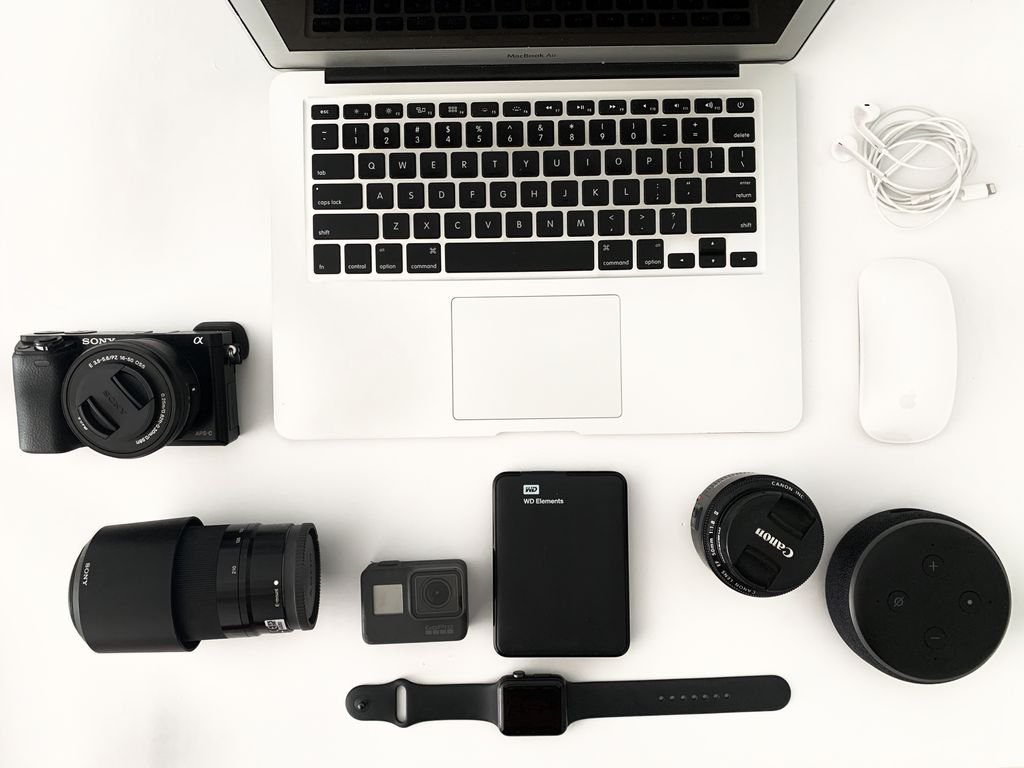
Laptops, televisions, smartphones, gaming consoles, cameras, and other electronics can represent a substantial part of your personal property. If they are stolen or damaged, replacing everything at once could cost thousands of dollars.
So, does renters insurance cover electronics?
Generally, renters insurance covers electronics you own when they are stolen or damaged by a covered peril, such as fire, smoke, theft, vandalism, or certain sudden water events. However, it usually does not cover accidental drops, cracked screens, liquid spills, mechanical breakdowns, manufacturing defects, or normal wear and tear.
Your final claim payment also depends on your deductible, personal property limit, applicable sublimits, and whether the policy provides actual cash value or replacement cost coverage.
Quick Electronics Coverage Guide
| Incident | Usually covered? |
|---|---|
| Laptop stolen during a burglary | Yes, if theft is covered |
| TV damaged in an apartment fire | Usually yes |
| Computer damaged by smoke | Usually yes |
| Electronics ruined by a covered burst pipe | Often yes |
| Devices damaged by lightning | Often yes |
| Laptop dropped on the floor | Usually no |
| Phone screen accidentally cracked | Usually no |
| Coffee spilled on a keyboard | Usually no |
| TV stops working because of age | No |
| Laptop has a manufacturing defect | No |
| Electronics damaged by flooding | Usually no under standard renters insurance |
| Work laptop owned by your employer | Limited or no coverage |
| Roommate’s electronics | Usually not under your policy |
These are general outcomes. The language in your individual policy determines coverage.
What Electronics Can Renters Insurance Cover?
Electronics are generally included within the personal property section of a renters insurance policy.
Covered items may include:
- Laptop and desktop computers
- Televisions
- Smartphones
- Tablets and e-readers
- Gaming consoles
- Computer monitors
- Speakers and sound systems
- Headphones
- Cameras and video equipment
- Smartwatches
- Printers and scanners
- Routers and networking equipment
- External hard drives
- Smart-home devices
- Small electronic appliances
Being classified as personal property does not mean the device is protected against every type of damage. The event that caused the loss must generally be covered by the policy.
For example, a stolen laptop may qualify for coverage, while a laptop that simply stops turning on because of age probably will not.
When Does Renters Insurance Cover Electronics?
Most renters insurance policies protect personal property against a list of covered events, commonly called covered perils.
Although policies vary, electronics may be covered when damaged or lost because of the following events.
Theft
If someone breaks into your apartment and steals your television, computer, or gaming system, the personal property portion of your renters policy may help pay to replace the devices.
You will usually need to provide evidence of the incident and ownership, such as:
- A police report
- Photographs
- Purchase receipts
- Serial numbers
- Credit card statements
- Original packaging
- Online order records
Theft coverage may also extend beyond your rental home, subject to policy terms and possible off-premises limits.
Fire and smoke
Electronics damaged by a covered apartment fire will generally qualify for personal property coverage.
The policy may also cover devices damaged by smoke, heat, or firefighting efforts, even if the electronics were not directly burned.
Our separate guide explains how renters insurance covers fire damage to belongings and when additional living expenses may apply.
Vandalism
Suppose someone unlawfully enters your apartment and intentionally destroys your television and computer rather than stealing them. Renters insurance may cover the damage if vandalism is a covered peril.
Intentional damage caused by you, another insured person, or someone acting at your direction would not be covered.
Certain types of water damage
Renters insurance may cover electronics damaged by a sudden event such as:
- A burst pipe
- An overflowing appliance
- Water unexpectedly entering through a damaged ceiling
- An accidental discharge from a plumbing system
Coverage generally does not extend to outside flooding, gradual leaks, repeated seepage, or damage resulting from poor maintenance.
Read more about the difference between covered leaks and excluded flooding in our guide to renters insurance and water damage.
Windstorms and certain weather events
Electronics may be covered if wind damages the rental building and rain enters through the resulting opening.
However, coverage can differ for hurricanes, flooding, earthquakes, and other natural disasters. Review the named perils and exclusions in your policy instead of assuming every weather-related loss is included.
Lightning and certain electrical surges
Electronics damaged by a direct lightning strike or a sudden electrical event connected to a covered storm may qualify for coverage.
The cause matters. Damage resulting from gradually fluctuating voltage, old wiring, inadequate maintenance, or an internal equipment defect may not be covered.
Lemonade explains that electronics can be covered when damage comes from a named peril, such as an electrical fire or storm-related power surge, but not when the device fails because of age, ordinary use, or a manufacturing defect. See its electronics coverage explanation.
Does Renters Insurance Cover Accidental Damage to Electronics?
Standard renters insurance usually does not cover damage caused by ordinary accidents.
Common examples include:
- Dropping a laptop
- Cracking a phone or tablet screen
- Knocking over a television
- Spilling coffee on a keyboard
- Stepping on headphones
- Leaving a device outside in the rain
- Losing a smartphone
- Damaging a charging port
- A child accidentally breaking a gaming console
These incidents may be sudden and unintentional, but that does not automatically make them covered perils.
Protection plans available through a manufacturer, retailer, mobile carrier, or credit card may cover some accidental damage. Carefully compare their exclusions, deductibles, claim limits, and cancellation terms.
Some renters insurers also offer endorsements that expand coverage for accidental damage or equipment breakdown. Availability and covered devices vary by company and state.
Does Renters Insurance Cover a Broken TV?
A broken television may be covered when the damage results from a covered peril.
For example:
- TV damaged by fire: Usually covered
- TV stolen during a burglary: Usually covered
- TV damaged by smoke: Usually covered
- TV ruined by a covered burst pipe: Potentially covered
- TV knocked over accidentally: Usually not covered
- TV stops working from age: Not covered
- TV has a defective component: Usually not covered
The insurer may ask a technician to identify why the television stopped working. A device that failed internally is treated differently from one damaged by a covered external event.
Does Renters Insurance Cover Laptops and Computers?
A personal laptop or computer is generally part of your insured personal property. It may be covered against theft, fire, vandalism, and other perils listed in your policy.
However, standard coverage normally excludes:
- Accidental drops
- Cracked screens
- Liquid spills
- Malware
- Software corruption
- Lost files
- Mechanical failure
- Normal deterioration
- Manufacturing defects
- Damage caused intentionally
Renters insurance protects the physical device, not necessarily the information stored on it. Back up important files separately because a property claim may replace a computer without restoring lost photographs, documents, or business records.
Are Electronics Covered Away From Home?
Renters insurance commonly provides some personal property coverage away from your residence.
Potential examples include a covered theft from:
- A hotel room
- A coffee shop
- A workplace
- A college classroom
- Public transportation
- A locked vehicle
- Another person’s home
Off-premises coverage may be subject to a separate limit, such as a percentage of your total personal property coverage. Theft from a vehicle may require signs of forced entry, a police report, or other supporting evidence.
Your renters policy covers eligible personal property—not the vehicle itself. Damage to a car belongs under the appropriate auto insurance coverage.
Our guide explains how renters insurance covers theft outside the home and which documentation may be required.
Does Renters Insurance Cover Electronics During a Power Outage?
A power outage by itself does not automatically create electronics coverage.
The insurer will investigate why the device was damaged.
Coverage may be possible when:
- Lightning causes a covered electrical surge
- A covered electrical fire damages the device
- A covered storm directly causes the loss
- The policy expressly includes the particular electrical event
Coverage is less likely when:
- The device simply stops working during the outage
- Old or defective wiring caused gradual damage
- Voltage fluctuations occurred over time
- The electronic device had an internal defect
- Normal wear caused the failure
- The loss falls under an electrical-damage exclusion
If several devices fail simultaneously, ask an electrician or repair technician for a written diagnosis. This may help establish whether a covered surge, an internal defect, or a building-maintenance problem caused the damage.
Mechanical and Electrical Breakdown Coverage
A standard renters policy generally does not function as an extended warranty. It will not normally pay merely because a television, computer, or appliance fails mechanically.
Some insurers offer optional equipment breakdown coverage. Depending on the endorsement, it may help cover certain sudden mechanical, electrical, or pressure-system failures.
It might apply to eligible:
- Computers
- Televisions
- Home entertainment systems
- Appliances
- Smart-home equipment
- Heating or cooling equipment owned by the renter
Equipment breakdown coverage still has exclusions. It may not cover:
- Normal wear and tear
- Rust or corrosion
- Cosmetic damage
- Software problems
- Known defects
- Manufacturer recalls
- Damage already covered by a warranty
- Older or specifically excluded equipment
Read the endorsement carefully before buying it. The name “equipment breakdown” does not mean every broken device will qualify.
Replacement Cost vs. Actual Cash Value
The method used to value your electronics can significantly change your claim payment.
Actual cash value
Actual cash value generally pays the device’s current depreciated value.
Suppose a laptop originally cost $1,500. At the time it is stolen, its depreciated value is assessed at $600. If your deductible is $500, a simplified calculation would be:
$600 actual cash value − $500 deductible = $100 potential payment
Replacement cost
Replacement cost coverage generally pays the cost of replacing the damaged device with a comparable new item, subject to the policy terms and limit.
Suppose a comparable replacement laptop costs $1,300 and the deductible is $500:
$1,300 replacement cost − $500 deductible = $800 potential payment
Some insurers initially pay actual cash value and release the remaining recoverable depreciation after you purchase a replacement and submit the receipt.
The Insurance Information Institute explains that actual cash value subtracts depreciation, while replacement cost pays the cost of replacing possessions without a depreciation deduction, up to the policy limit. Review Triple-I’s renters insurance guide.
These examples are simplified. Actual settlements depend on the policy, device, replacement purchased, deductible, limits, and claim documentation.
How Your Deductible Affects an Electronics Claim
The deductible is the part of a covered property loss you must absorb before the insurer pays.
Suppose a covered theft involves:
- Laptop: $1,200
- Tablet: $500
- Gaming console: $500
- Total covered replacement cost: $2,200
- Deductible: $500
The simplified potential payment would be:
$2,200 covered loss − $500 deductible = $1,700
Now suppose only a $450 tablet was stolen and your deductible is $500. Even if the theft is covered, the loss is below the deductible, so the insurer may pay nothing.
Before filing, learn how a renters insurance deductible works and confirm whether one deductible applies to the entire incident.
Are Expensive Electronics Subject to Special Limits?
Most ordinary electronics fall under the general personal property limit, but policies may impose special limits on certain categories or types of use.
Potentially affected property includes:
- High-value cameras
- Professional video equipment
- Collectible electronics
- Servers
- Specialized computer equipment
- Electronics used mainly for business
- Devices kept away from the insured residence
Do not assume that every expensive device needs to be scheduled. Instead, read the policy’s “special limits of liability” section and ask the insurer about the exact equipment.
If the standard limit is insufficient, options may include:
- Increasing personal property coverage
- Adding scheduled property coverage
- Purchasing an endorsement
- Buying specialized photography coverage
- Obtaining business property insurance
Create an inventory before selecting your limit. Our guide can help you estimate how much personal property coverage you need.
Are Work Electronics Covered?
Coverage becomes more complicated when electronics are used for work.
Employer-owned devices
A laptop owned by your employer is not your personal property. The employer’s commercial insurance or equipment policy may be the primary source of coverage.
Your renters policy might provide limited coverage—or none at all—for property belonging to a business or another person.
Personally owned business equipment
If you own a computer primarily used for freelance work or a home business, your renters policy may apply a low business-property limit.
It may also distinguish between business property kept at home and business property located away from the residence.
If you depend on expensive equipment for income, ask about:
- Business property endorsements
- Home-business insurance
- Commercial property coverage
- Equipment breakdown protection
- Business interruption coverage
Do not rely on a standard personal policy without confirming the business-use limits.
Does Renters Insurance Cover Your Roommate’s Electronics?
Usually, your renters policy covers only you and other people defined as insureds under the contract.
An unrelated roommate is not automatically insured merely because you share an apartment. Their television, laptop, and other belongings may not be covered by your policy.
Each roommate should generally obtain a separate renters policy unless the insurer has expressly added both people and explained how shared limits and claims will work.
A roommate’s property might be considered differently if you borrowed it or it was temporarily in your possession, but you should not assume coverage. Ask the insurer about the specific situation.
What Renters Insurance Usually Does Not Cover
Electronics losses commonly excluded from standard renters insurance include:
- Accidental drops
- Cracked screens
- Liquid spills caused by the owner
- Misplacing or losing a device
- Normal wear and tear
- Age-related failure
- Mechanical breakdown
- Manufacturing defects
- Software problems and computer viruses
- Intentional damage
- Damage caused by pests
- Outside flooding
- Earthquake damage without appropriate coverage
- Government seizure
- War or nuclear hazards
- Losses above applicable limits
An exclusion may apply even when the loss was unexpected. Coverage depends on the cause listed in the policy, not simply whether you intended the damage.
How to File a Claim for Damaged or Stolen Electronics
If a covered event may have damaged your electronics, take these steps:
- Protect the property from further damage. Unplug affected devices when it is safe to do so.
- Report theft to the police. Obtain the report number and a copy when available.
- Notify your landlord. Report fires, leaks, break-ins, or electrical problems involving the building.
- Photograph the scene. Document the damaged device and the event that caused the loss.
- Find proof of ownership. Gather receipts, order confirmations, photographs, statements, warranties, and serial numbers.
- Obtain a technical diagnosis. For electrical or mechanical damage, ask a qualified technician to identify the cause in writing.
- Make a complete inventory. Include the brand, model, purchase date, original cost, current replacement cost, and condition of every device.
- Review your deductible and limits. Estimate whether the covered loss is likely to exceed the deductible.
- Contact the insurer promptly. Follow its instructions without discarding damaged items prematurely.
- Keep replacement receipts. They may be required to receive the full amount under replacement cost coverage.
Do not exaggerate the value, condition, or cause of damage. Provide accurate information and ask the adjuster how the policy’s valuation method applies.
How to Protect Your Electronics Before a Loss
Take these practical steps:
- Create a home inventory
- Photograph each device
- Record serial and model numbers
- Save digital receipts
- Back up important files
- Use surge protectors
- Keep laptops and phones out of unattended vehicles
- Use device passwords and tracking features
- Review personal property limits annually
- Ask whether off-premises coverage is limited
- Confirm coverage for business equipment
- Compare actual cash value and replacement cost
- Consider accidental-damage or equipment-breakdown protection
The National Association of Insurance Commissioners recommends checking whether a renters policy pays actual cash value or replacement cost because depreciation can substantially affect reimbursement. Read the NAIC’s renters insurance guidance.
Frequently Asked Questions
Does renters insurance cover a stolen laptop?
Usually, yes, if theft is a covered peril and the laptop belongs to an insured person. Your deductible, personal property limit, off-premises limit, and claim documentation will affect payment.
Does renters insurance cover a cracked laptop or phone screen?
Standard renters insurance generally does not cover a screen you accidentally crack. A manufacturer, retailer, carrier, credit card, or separate device-protection plan may provide accidental-damage protection.
Does renters insurance cover electronics damaged by water?
It may cover electronics damaged by sudden water discharge from a covered event, such as a burst pipe. It generally excludes outside flooding, gradual leaks, and repeated seepage.
Does renters insurance cover electronics damaged by lightning?
It often does when lightning or a covered storm-related electrical surge directly damages the devices. Ask a technician to document the cause.
Does renters insurance cover a TV that stops working?
Not when the television fails because of normal wear, age, or an internal defect. Coverage may apply when a covered event such as fire, theft, smoke, or certain water damage causes the loss.
Does renters insurance cover a lost phone?
Simply losing or misplacing a phone is generally not covered. Theft may be covered when supported by the facts and required documentation.
Does renters insurance cover gaming consoles?
Gaming consoles are generally considered personal property and can be covered against listed perils such as theft or fire. Accidental drops, liquid spills, wear, and mechanical failure are usually excluded.
Is data stored on a damaged computer covered?
Renters insurance primarily covers physical property. It generally does not restore lost photographs, files, software, or other data. Maintain secure backups.
Final Thoughts
Renters insurance can cover electronics, but coverage depends on why the device was damaged or lost.
A laptop stolen during a burglary, a television damaged by fire, or a gaming console ruined by a covered burst pipe may qualify for personal property coverage. A phone you drop, a screen you crack, or a computer that stops working because of age generally will not.
Check whether your policy provides actual cash value or replacement cost, confirm the deductible and off-premises limits, and ask about restrictions on business equipment. Most importantly, create a home inventory before a loss occurs.
Receipts, serial numbers, photographs, and backups can make the claim process substantially easier when several expensive devices are lost at once.
This article provides general educational information and does not constitute individualized insurance, financial, or legal advice. Coverage depends on the policy, insurer, location, and circumstances of the loss.